
 English
 عربى
عربى
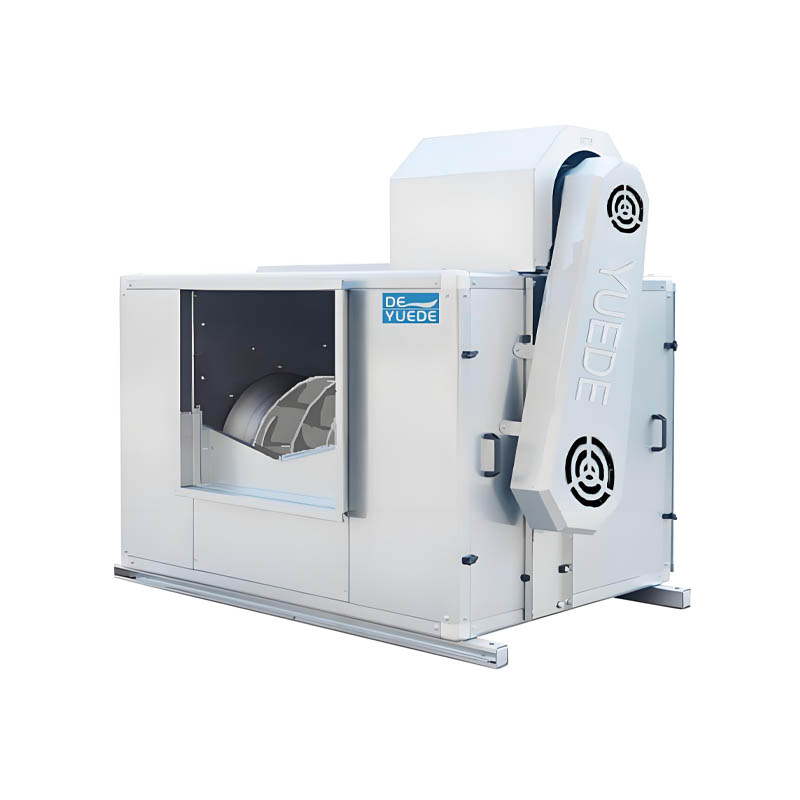
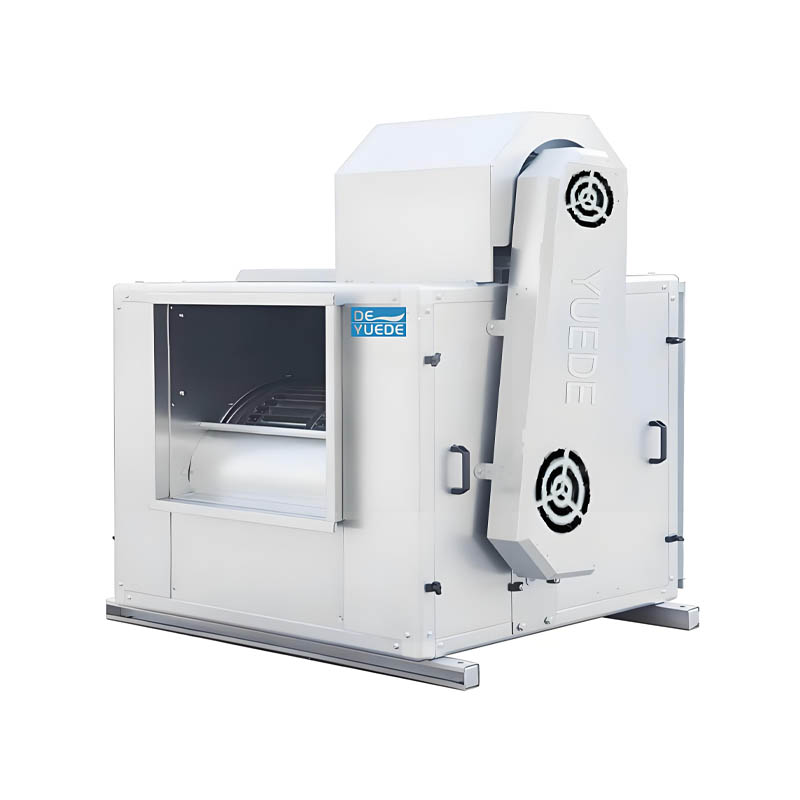
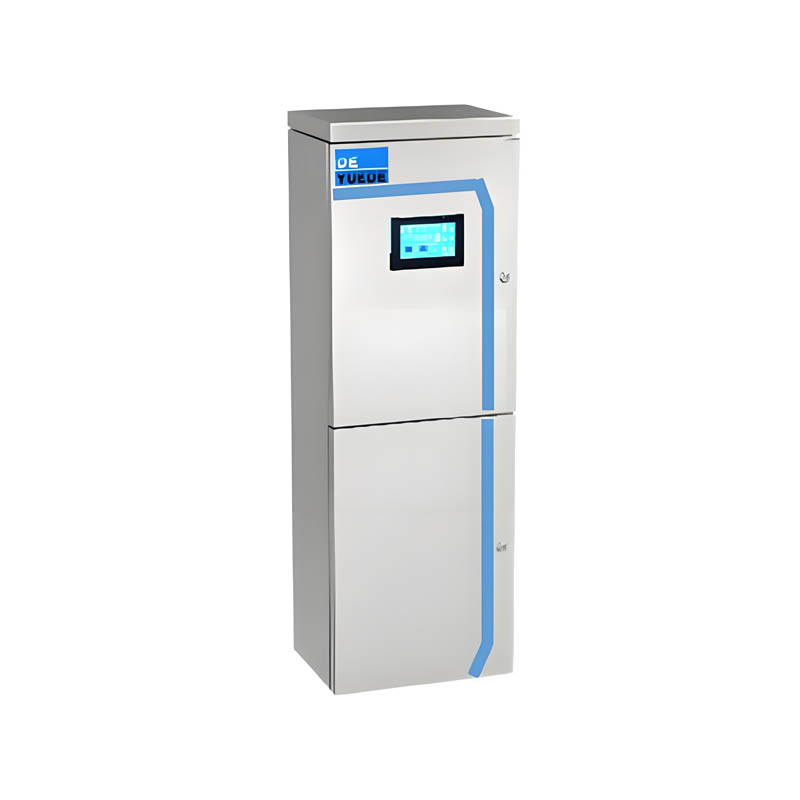
Zhejiang Yuede Environmental Protection Technology Co., Ltd. is located at 505 Lanshang Road, Xinwan Street, Qiantang District, Hangzhou City. China Automatic Washing Range Hood Manufacturers and Automatic Washing Range Hood Factory.
The company is mainly engaged in the research, development, production, and sales of oil fume purification and exhaust equipment, and is one of the few manufacturers in the industry with the ability to develop electronic software systems and design sheet metal structures.
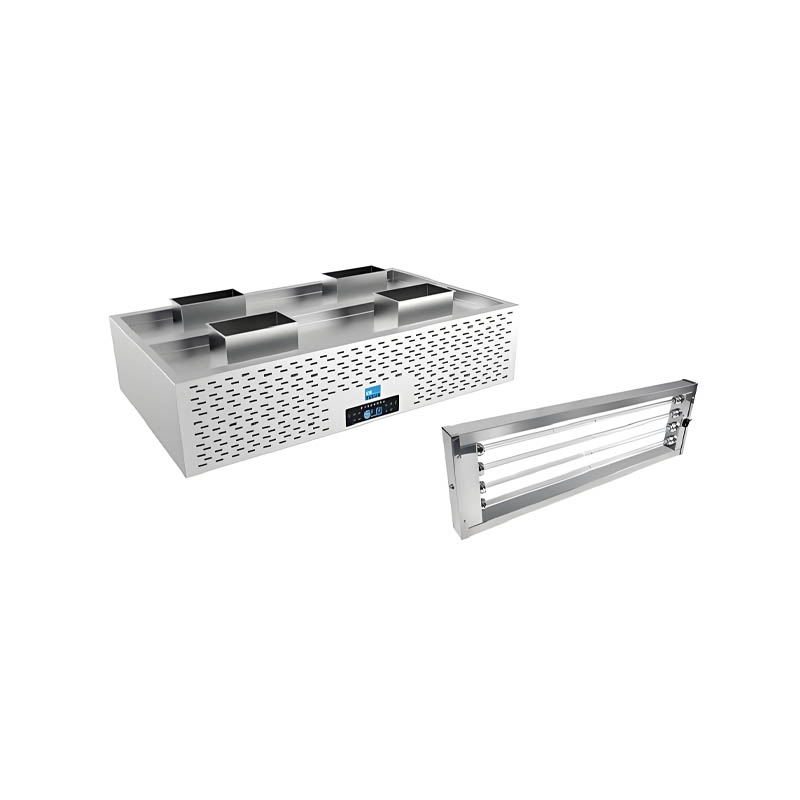
The products specifically include oil fume purifiers, oil fume purification all-in-one machines, intelligent cleaning all-in-one machines, fans, fresh air cooling fans, and intelligent smoke exhaust systems.
Since 2020, the company has accumulated 2 invention patents and 31 utility model patents. Among them, the practical patent - the splicing technology of all-in-one machines has been adopted by more than 80% of peers; The patents related to intelligent cleaning and intelligent smoke exhaust systems are breakthrough or leading technologies in the industry. Traditional product companies such as oil fume purifiers and fans have optimized their structure and process to achieve better results and higher grades.
Automatic Washing Range Hood Manufacturer
-- Steady & Reliable Manufacturer --
Introduction
An automatic washing range hood takes the most labor-intensive maintenance task in a commercial kitchen — cleaning the exhaust hood and grease trap — and eliminates it entirely through an integrated self-cleaning cycle. Rather than relying on staff to manually disassemble, soak, and scrub hood components at the end of each shift, automatic washing range hoods run a timed cleaning program using heated water, alkaline detergent, and pressurized rinsing to remove accumulated grease from interior surfaces, baffles, and collection troughs without any manual intervention.
Zhejiang Yuede Environmental Protection Technology Co., Ltd. has developed its automatic washing range hood series on a proprietary intelligent cleaning control platform, backed by patented technology that simulates the full manual cleaning sequence — heating, soaking, pressurization, and rinsing — in a programmable automated cycle. The result is consistent cleaning performance regardless of kitchen staffing levels or shift handover quality, with grease removal efficiency that meets and exceeds the standards required by fire safety regulations and health inspection authorities in commercial food service environments.
Products & Solutions
Recommend product
Specification
| Parameter | Detail |
|---|---|
| Hood Type | Wall-mounted / island (double-sided) / low-proximity |
| Hood Width | 1,000 mm – 4,000 mm (customizable) |
| Hood Depth | 900 mm – 1,500 mm standard |
| Material | 304 / 201 stainless steel (1.2 mm – 1.5 mm); electropolished interior |
| Cleaning System | Automated: heat → soak → high-pressure rinse → drain cycle |
| Cleaning Cycle Duration | 15–45 minutes (programmable) |
| Water Temperature (cleaning) | 60–80°C (electric heating element integrated) |
| Detergent Compatibility | Alkaline degreaser (auto-dosing optional) |
| Grease Collection | Built-in grease drawer / collection trough with auto-drain |
| Control System | Yuede intelligent cleaning controller; timer / manual / remote trigger |
| Exhaust Connection | Top or rear duct collar; standard round or rectangular |
| Certification | CE; compliant with GB 18483 (China); UL-tested components |
* Custom dimensions, duct configurations, and integration with building management systems (BMS) available. Please provide kitchen layout drawing for engineered quotation.
Application
- High-Volume Restaurant Kitchens: Fast-casual chains, high-turnover restaurants, and canteen operations where multiple cooking sessions per day accumulate grease rapidly and cleaning windows are short benefit most from automatic cycle cleaning that runs during off-peak hours.
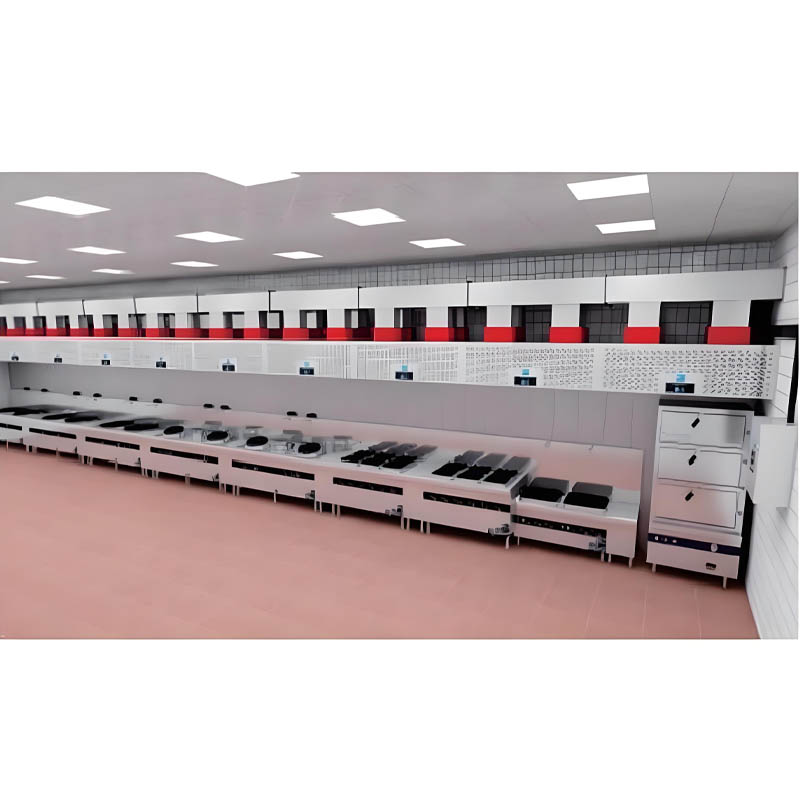
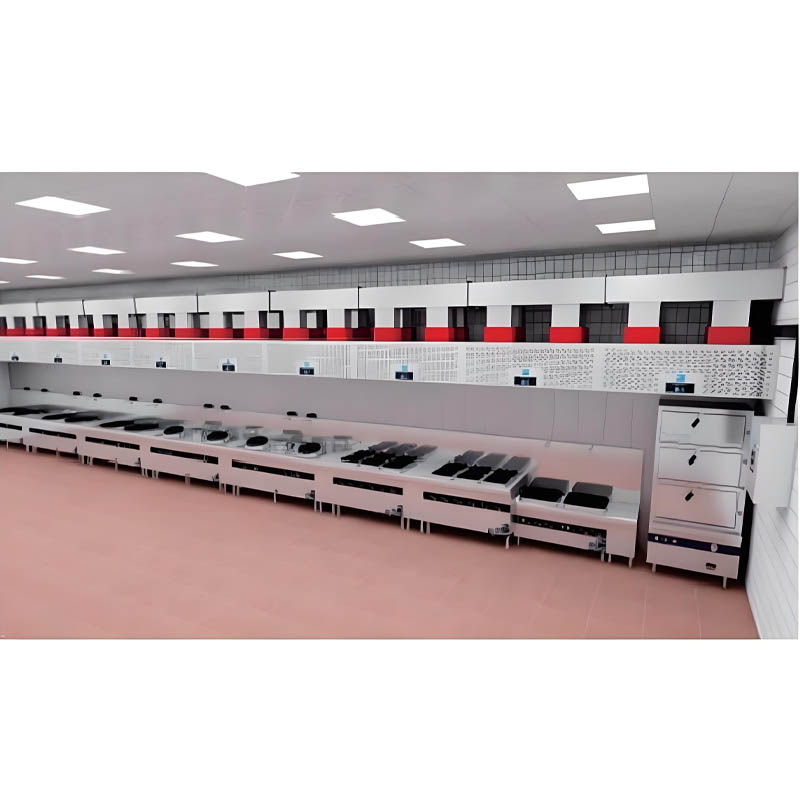
- Hotel & Banquet Kitchen Facilities: Large hotel kitchens often operate multiple cooking stations under a single long exhaust hood. Automatic washing ensures consistent cleaning across the entire hood length without relying on individual staff compliance.
- Institutional Catering (Schools, Hospitals, Corporate): Institutions with strict hygiene audit requirements and limited kitchen maintenance staff benefit from automatic washing systems that deliver documentation-ready cleaning cycles and reduced fire risk from grease accumulation.
- Shopping Mall Food Courts: Food courts with multiple tenant kitchens under a shared exhaust plenum, where centralizing the cleaning cycle reduces operational coordination burden and ensures uniform grease management.
- Dark Kitchens & Ghost Restaurants: Operations running extended hours with minimal on-site staff find automatic washing range hoods essential — cleaning runs automatically between sessions without requiring any personnel to be present.
- Barbecue & Wok Cooking Stations: High-grease cooking styles that generate heavy exhaust loads require more frequent cleaning. Automatic systems can be set to run daily or even after each session, maintaining performance levels that manual cleaning schedules cannot match.
- Q: How often should the automatic washing cycle be run?
- A: For most commercial kitchens, a daily cleaning cycle run after the last cooking session is recommended. High-grease operations (wok cooking, barbecue, deep fryers) may benefit from a cycle after each meal service. The Yuede controller allows flexible scheduling — daily, twice daily, or triggered manually when a supervisor determines cleaning is needed.
- Q: What water and detergent consumption does the automatic wash cycle use?
- A: A standard cleaning cycle for a 2,000 mm hood typically uses 15–25 liters of water and 100–200 ml of alkaline degreaser concentrate. Compared to manual cleaning (which typically uses more water and detergent inefficiently), the automated cycle is more consistent and can be optimized to minimize consumption. An auto-dosing pump for detergent is available as an option.
- Q: Can the automatic washing range hood be retrofitted into an existing kitchen?
- A: Retrofit is possible in many cases. The key requirements are a cold water supply connection, a drain connection, and an electrical supply for the heating element and control panel. Yuede's technical team can assess your existing kitchen layout and ductwork to determine retrofit feasibility. In some cases, the existing hood shell can be retained and the washing module added as an integrated upgrade.
- Q: Does the automatic washing system clean the exhaust ductwork as well?
- A: The automatic washing system cleans the interior of the hood body, baffles, grease collection trough, and the plenum up to the duct collar. It does not clean the exhaust duct beyond the hood connection point. Duct cleaning beyond the hood collar should be performed by a specialist duct cleaning contractor on a schedule appropriate to your grease loading — typically annually for moderate operations or semi-annually for heavy grease kitchens.
- Q: Is the wastewater from the cleaning cycle safe to drain directly?
- A: The cleaning wastewater contains dissolved grease and alkaline detergent. Most commercial kitchen drainage systems are connected to a grease interceptor/trap before entering the municipal sewer — this is the correct discharge path for automatic washing wastewater. Please ensure your site's grease interceptor is appropriately sized for the additional cleaning wastewater volume. Local authority requirements for wastewater discharge should be confirmed with your building services engineer.
About Us
Zhejiang Yuede Environmental Protection Technology Co., Ltd.

Message Feedback
