 English
 عربى
عربى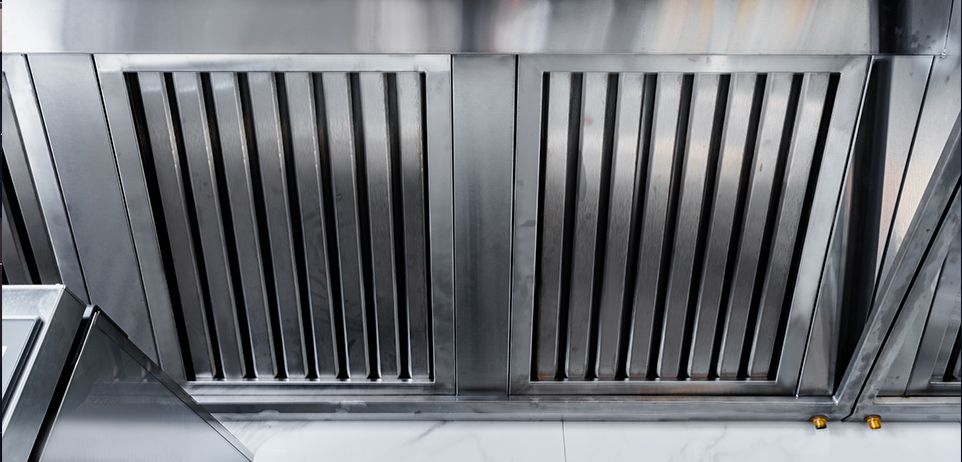
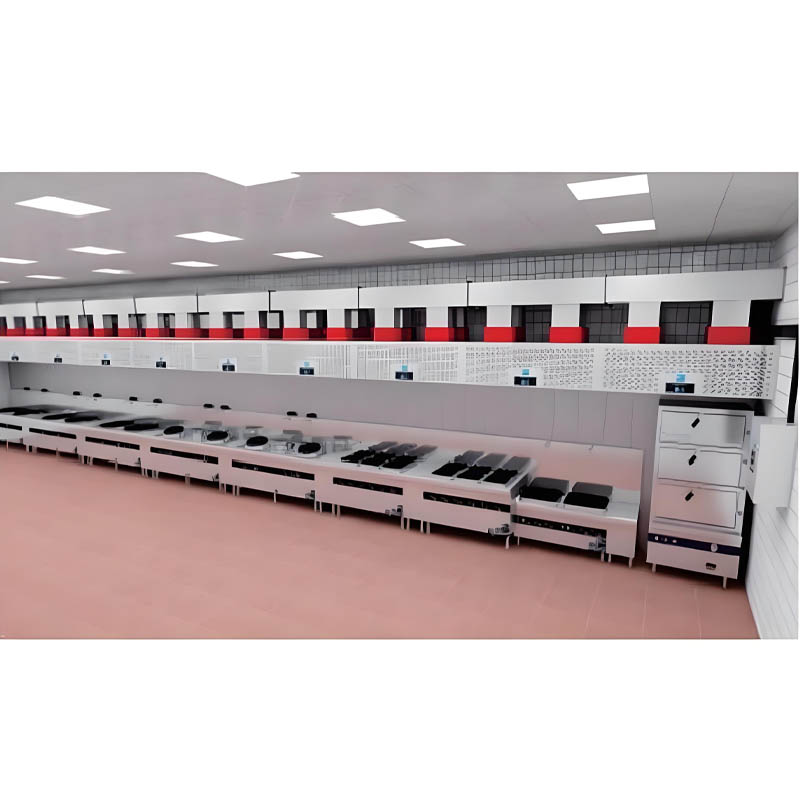
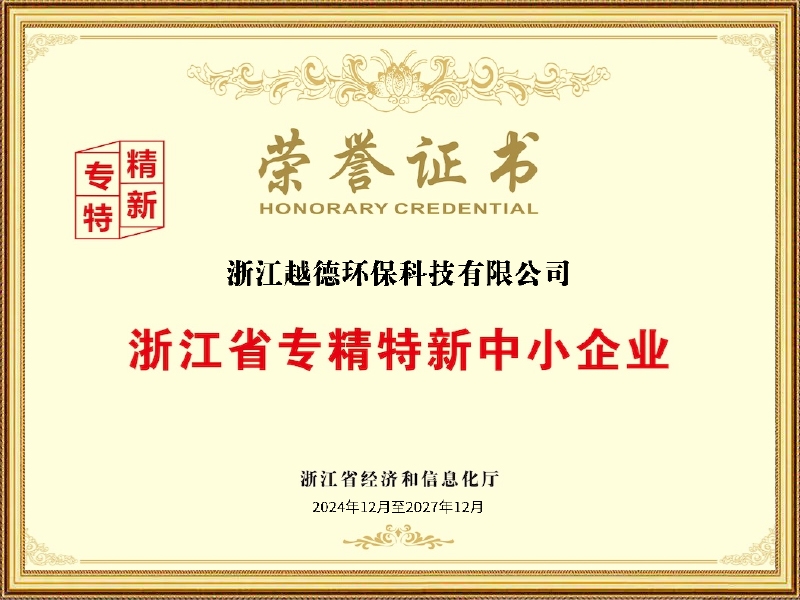
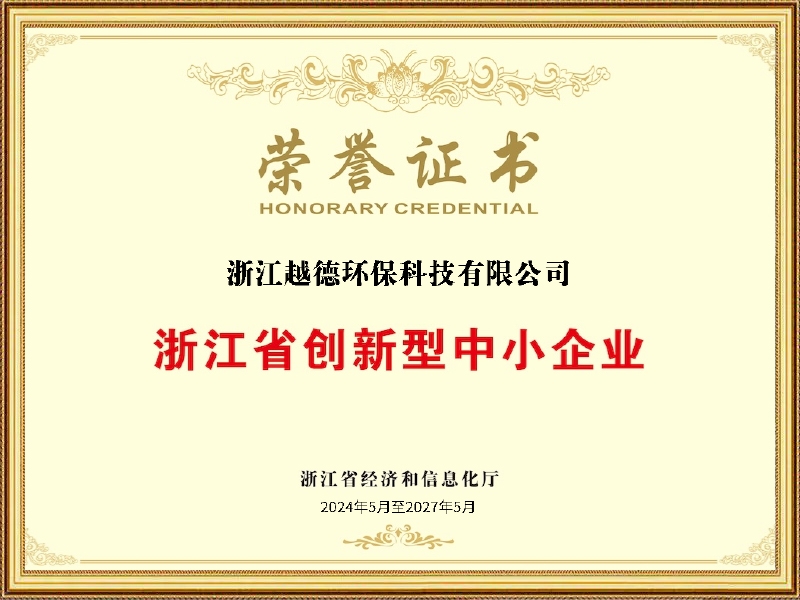
Zhejiang Yuede Environmental Protection Technology Co., Ltd. is located at 505 Lanshang Road, Xinwan Street, Qiantang District, Hangzhou City.
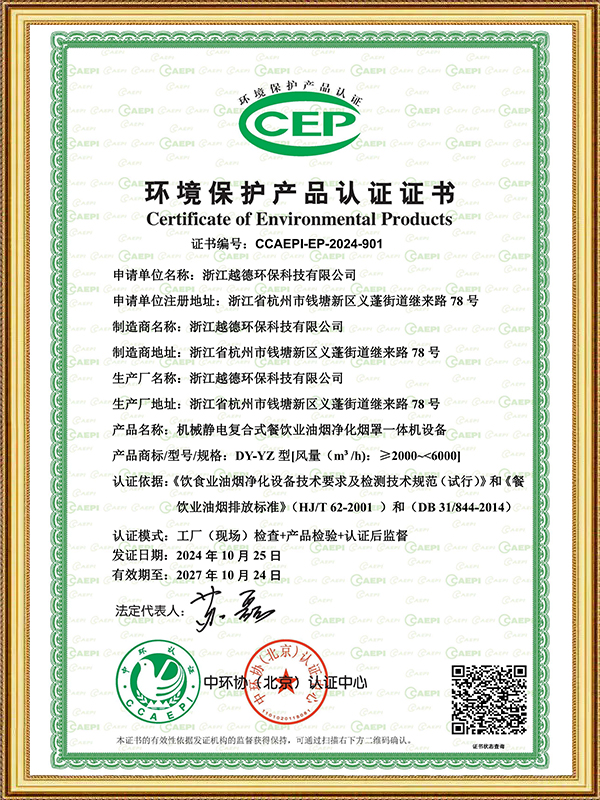
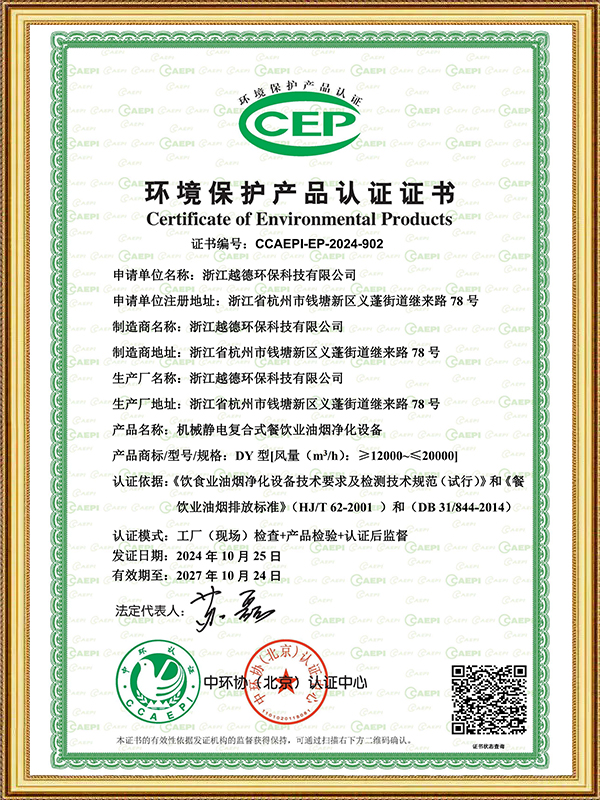
The company is mainly engaged in the research, development, production, and sales of oil fume purification and exhaust equipment, and is one of the few manufacturers in the industry with the ability to develop electronic software systems and design sheet metal structures.
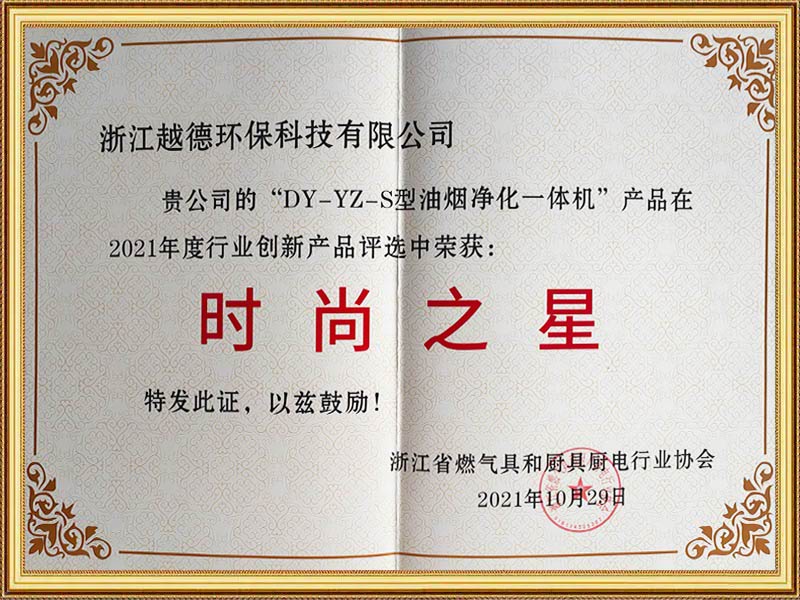
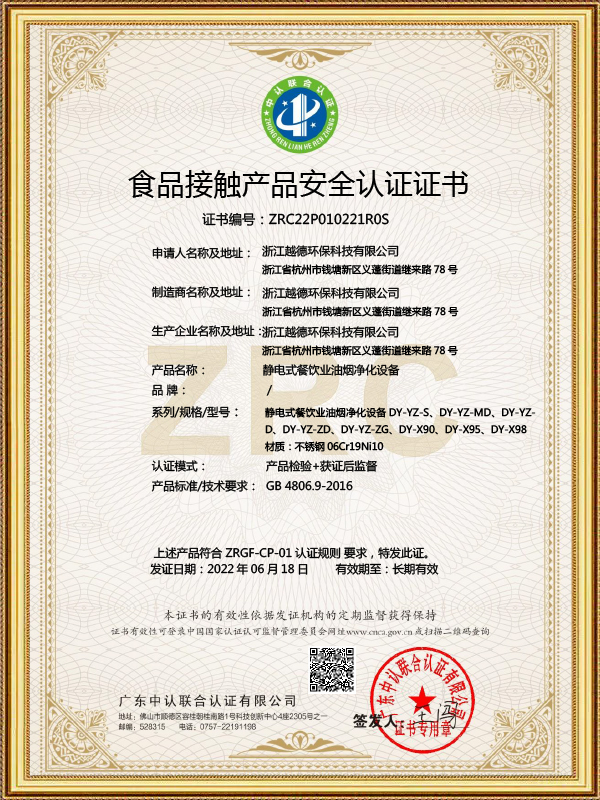
The products specifically include oil fume purifiers, oil fume purification all-in-one machines, intelligent cleaning all-in-one machines, fans, fresh air cooling fans, and intelligent smoke exhaust systems.
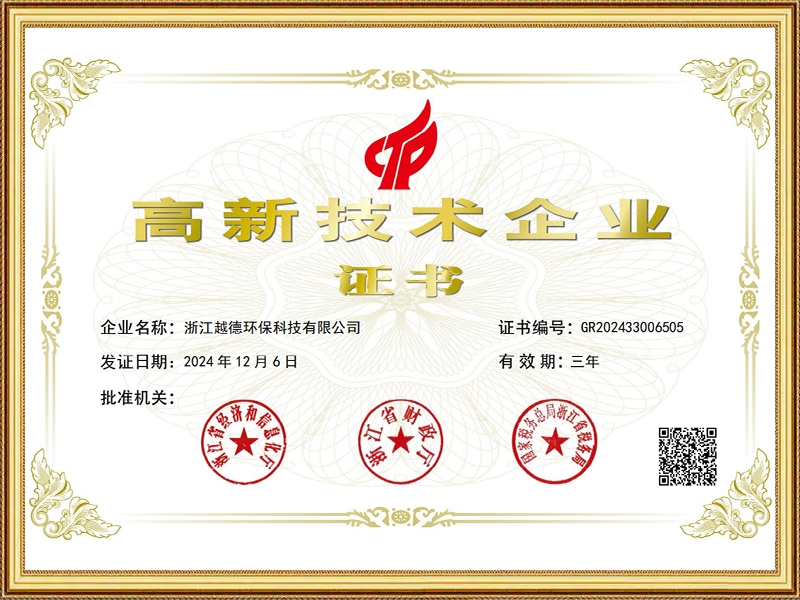
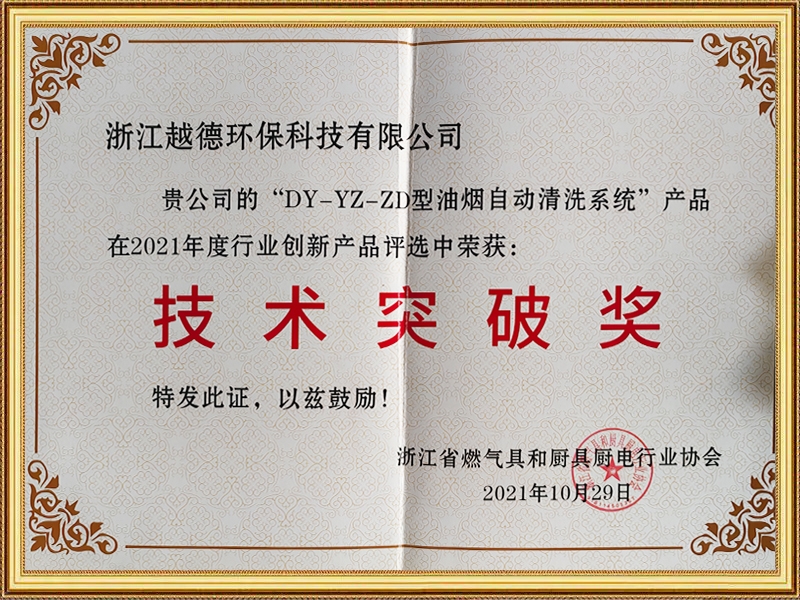
Since 2020, the company has accumulated 2 invention patents and 31 utility model patents. Among them, the practical patent - the splicing technology of all-in-one machines has been adopted by more than 80% of peers; The patents related to intelligent cleaning and intelligent smoke exhaust systems are breakthrough or leading technologies in the industry. Traditional product companies such as oil fume purifiers and fans have optimized their structure and process to achieve better results and higher grades.

Products & Solutions
CONTACT US
-

+86-(0)571-56682212
-

-

No. 505 Lanshang Road, Xinwan Street, Qiantang New District, Hangzhou City, Zhejiang Province
Intelligent Smoke Extraction System
Product Overview:
The Intelligent Smoke Extraction System is designed for the ventilation of large commercial kitchens. It integrates an exhaust hood, system control unit, airflow distributor with sensors and dampers, a variable frequency drive (VFD) control cabinet, an air purifier, and an exhaust fan.
Intelligent Energy Management:
The system analyzes sensor data to dynamically adjust fan output to match actual airflow demand, helping reduce energy consumption by up to 30% in typical kitchen environments. Patented interlocking devices allow the fan operation to automatically synchronize with the number and status of active cooking appliances, further improving energy efficiency.
Simplified Project Implementation:
With mature wireless signal transmission technology, the system reduces installation complexity and enables easier integration with existing kitchen setups.
About Us
Zhejiang Yuede Environmental Protection Technology Co., Ltd.

Message Feedback
Intelligent Smoke Extraction System Industry knowledge
Industry Knowledge
Motor Current Signature Analysis as an Early Warning for Fan Bearing Wear
Most kitchen exhaust fan failures don't happen suddenly — bearings degrade gradually over weeks, and by the time a technician hears unusual noise or feels excess vibration, the motor is often already close to failure. Monitoring motor current draw offers an earlier signal, because a bearing beginning to wear creates subtle, repeating fluctuations in current draw well before the mechanical symptoms become audible or noticeable to the touch. A healthy fan motor typically shows current draw stable within 2%–3% of its baseline; fluctuations climbing beyond 5%–7% over a period of consecutive operating days is a reasonably reliable early indicator worth flagging for inspection.
At Zhejiang Yuede, this kind of continuous current monitoring is one of the reasons we developed in-house electronic control capability rather than relying on off-the-shelf motor controllers, since building the sensing logic directly into an Intelligent Kitchen Exhaust System allows the current baseline to be established per installation and compared against its own historical pattern, rather than against a generic factory threshold that may not fit every motor and duct configuration.
- Establish a per-unit current baseline during the first 2–4 weeks of normal operation
- Flag sustained deviations above 5%–7% from baseline for bearing inspection, rather than waiting for audible noise
- Schedule bearing replacement during planned downtime instead of reacting to an unplanned mid-service failure
Interlocking Exhaust Controls with Fire Suppression and Gas Shutoff
A properly interlocked kitchen safety system does more during a fire event than simply discharge suppression agent — the exhaust fan needs to keep running to pull heat and smoke away from the space, while the gas supply to affected appliances shuts off automatically, all within the same trigger sequence. Systems where these components operate independently, on separate control logic, introduce dangerous timing gaps: gas shutoff without continued exhaust can allow smoke to bank down into the dining area, while exhaust continuing without gas shutoff does nothing to stop the source of the fire.
Sequence a properly interlocked system should follow
- Fusible link or detection triggers suppression agent discharge at the affected appliance
- Gas solenoid valve closes simultaneously, cutting fuel supply to the entire cooking line
- Exhaust fan continues running at full speed rather than shutting down, to actively clear smoke and heat from the space
Confirming this interlock wiring during commissioning — not just at initial installation, but again after any control panel replacement or software update — is a step worth insisting on with any supplier, since a Kitchen Smoke Purification System that looks correctly wired can still have interlock logic disabled by a firmware reset.
Managing Condensation Inside Ductwork During Seasonal Temperature Swings
Condensation forming inside exhaust ductwork is a seasonal problem that many kitchens only notice once it starts dripping onto equipment below, but the underlying cause is a temperature differential between warm, moisture-laden exhaust air and a cold duct surface — most commonly where ductwork passes through an unconditioned attic or exterior wall cavity during winter months. Left unaddressed, this moisture mixes with grease residue to form a sludge that accelerates duct interior corrosion far faster than dry grease buildup alone.
Insulating duct sections that pass through unconditioned spaces reduces this temperature differential and is generally more cost-effective than trying to manage condensation after it forms. In climates with significant seasonal swings, a vapor barrier wrap combined with closed-cell foam insulation performs more reliably than fiberglass batts, since fiberglass can itself absorb moisture over time and lose insulating value.
| Duct Location | Condensation Risk | Recommended Treatment |
|---|---|---|
| Interior conditioned space | Low | Standard duct, no added insulation needed |
| Unconditioned attic run | High in winter | Closed-cell foam insulation with vapor barrier |
| Exterior wall penetration | Moderate to high | Sealed sleeve plus insulation at penetration point |
Turning Automatic Data Logs into Documentation for Health Inspections
Health inspectors and fire marshals increasingly ask for maintenance and cleaning records during routine visits, and kitchens relying on paper logs filled out inconsistently by rotating staff often struggle to produce a complete history on demand. An exhaust system that automatically timestamps each cleaning cycle, filter change, and alarm event creates a documentation trail without depending on someone remembering to write it down after a busy shift.
This is a practical, if less obvious, benefit of building electronic control and sensor logging into the exhaust system itself rather than treating documentation as a separate manual task — something we've focused on at Zhejiang Yuede as we've developed our smart exhaust product line, since exportable digital records tend to satisfy inspectors more readily than handwritten logs with gaps or inconsistent entries.
- Automatic timestamps remove reliance on staff memory during busy service periods
- Exportable digital reports are easier to hand over during an inspection than searching through paper logbooks
- A continuous record also helps identify patterns, such as recurring filter saturation on a specific shift, that a single inspection snapshot wouldn't reveal
- No. 505 Lanshang Road, Xinwan Street, Qiantang New District, Hangzhou City, Zhejiang Province
- +86-(0)571-56682212
- [email protected]
Copyright @ Zhejiang Yuede Environmental Protection Technology Co., Ltd. All rights reserved Customized Commercial Kitchen Exhaust System Solution
