 English
 عربى
عربى
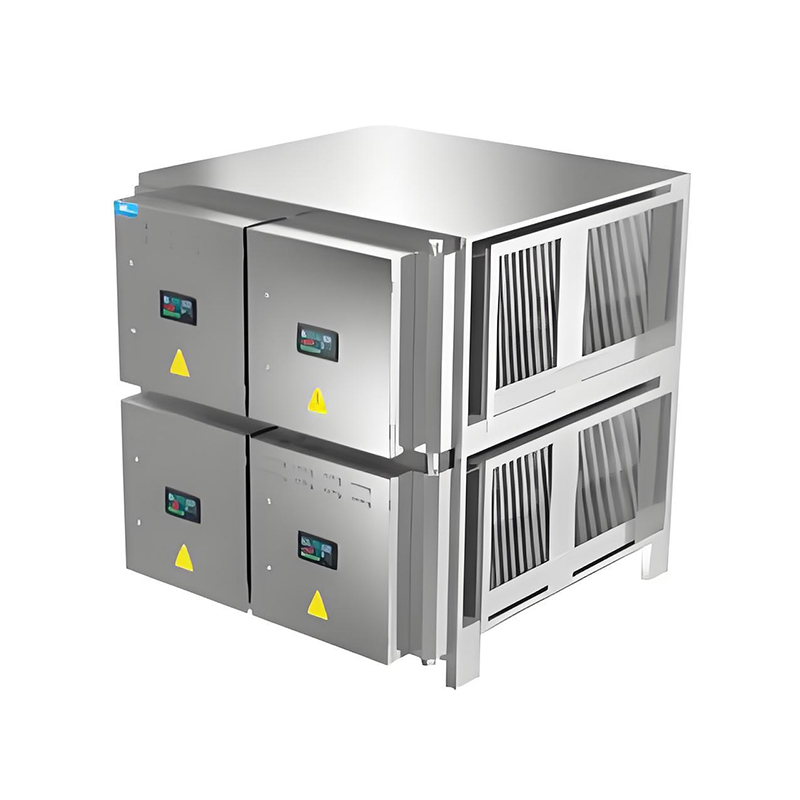
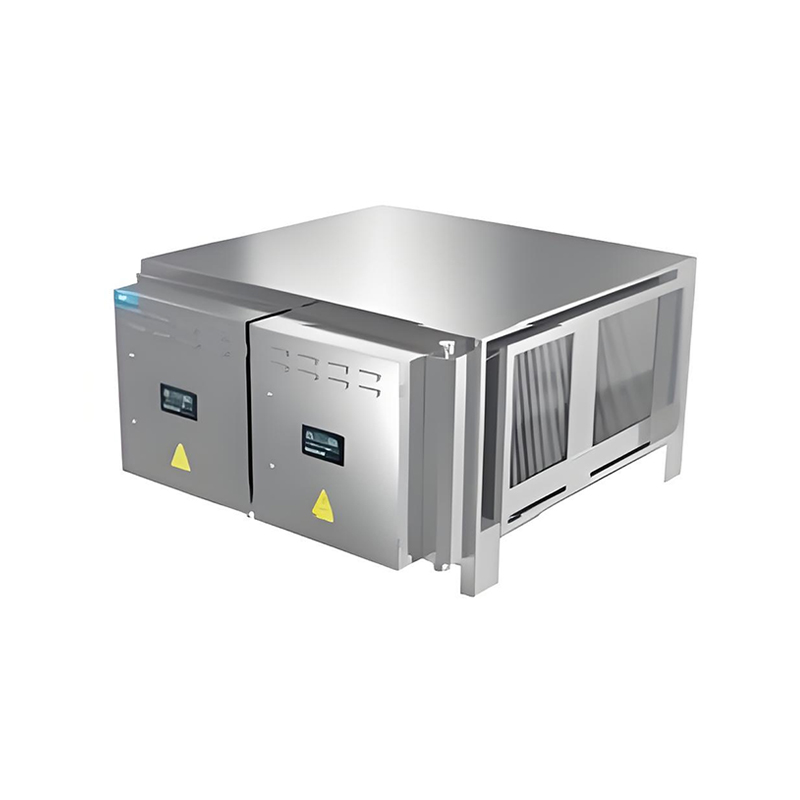
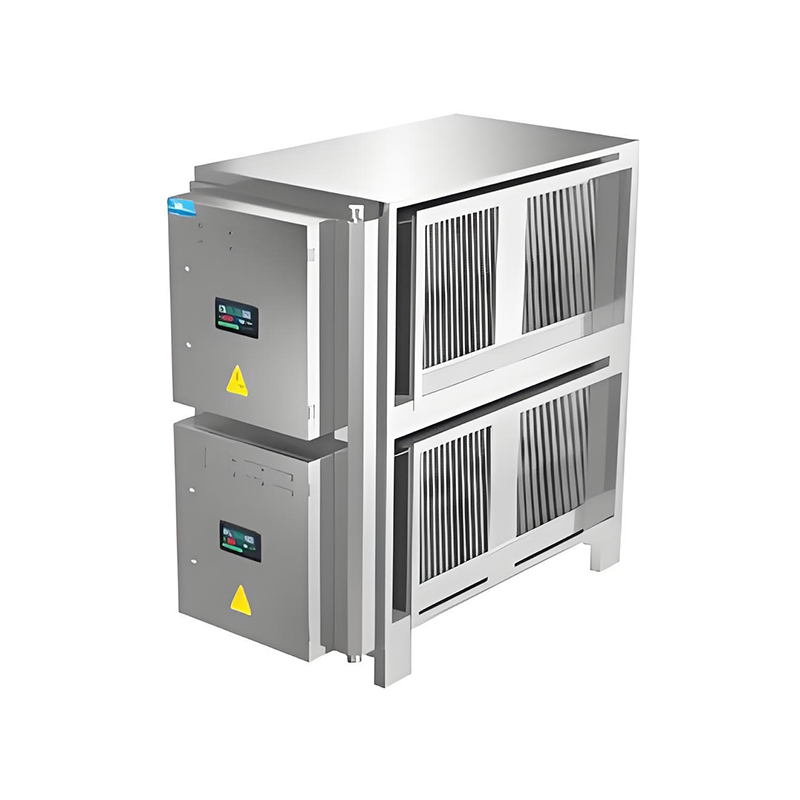
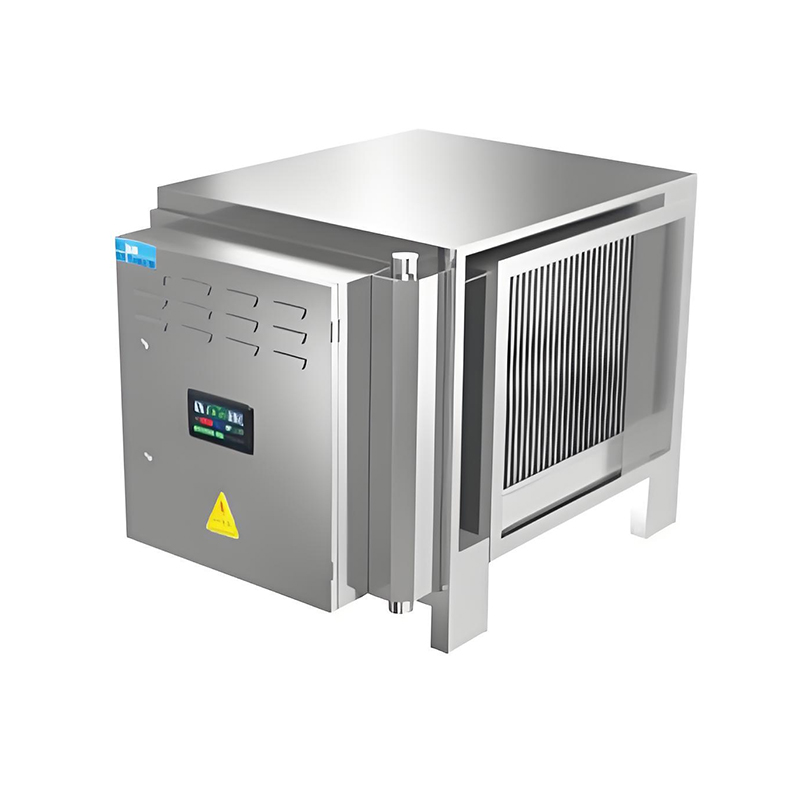
Zhejiang Yuede Environmental Protection Technology Co., Ltd. is located at 505 Lanshang Road, Xinwan Street, Qiantang District, Hangzhou City.
The company is mainly engaged in the research, development, production, and sales of oil fume purification and exhaust equipment, and is one of the few manufacturers in the industry with the ability to develop electronic software systems and design sheet metal structures.
The products specifically include oil fume purifiers, oil fume purification all-in-one machines, intelligent cleaning all-in-one machines, fans, fresh air cooling fans, and intelligent smoke exhaust systems.
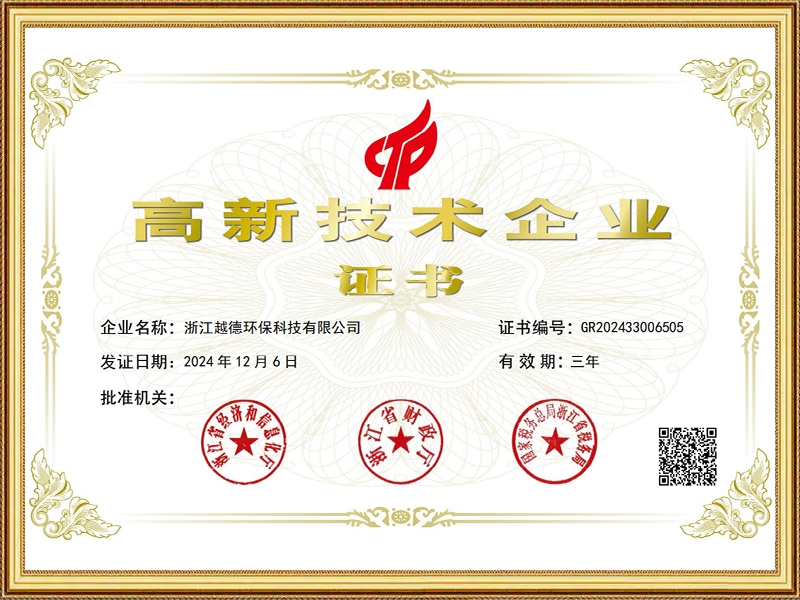
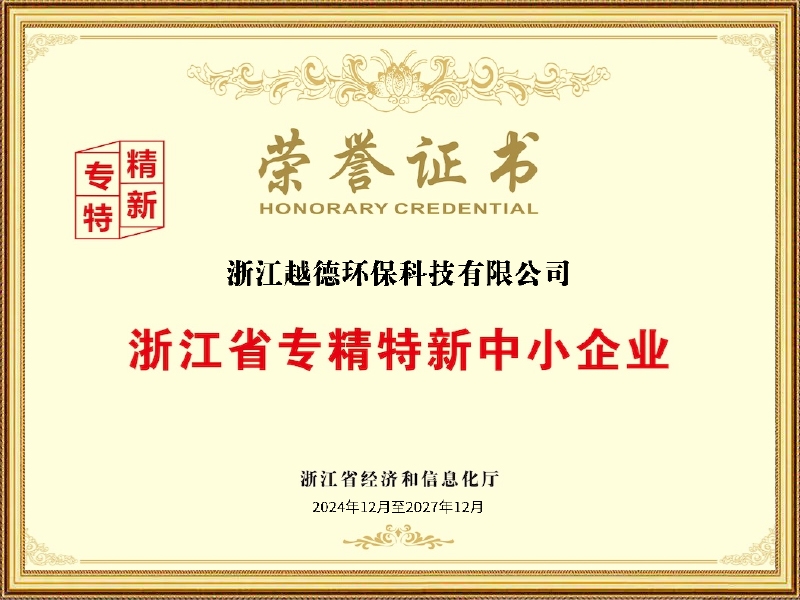
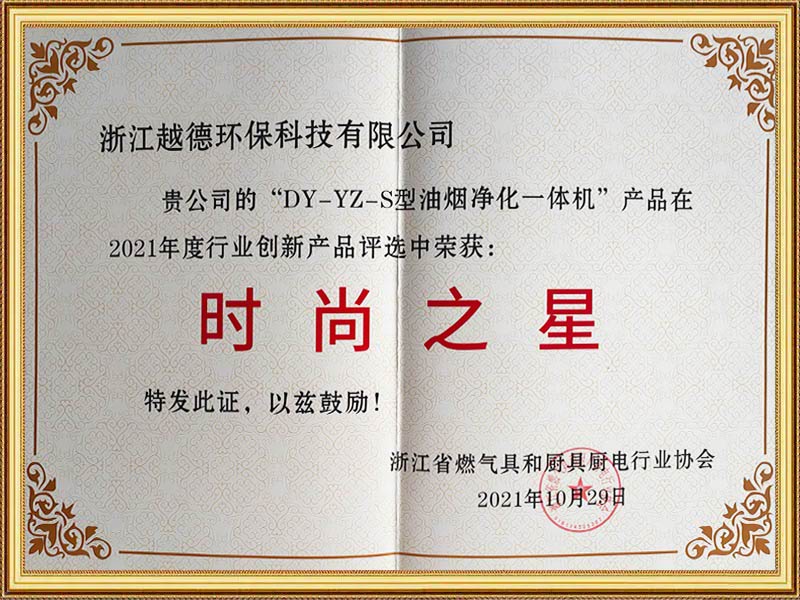
Since 2020, the company has accumulated 2 invention patents and 31 utility model patents. Among them, the practical patent - the splicing technology of all-in-one machines has been adopted by more than 80% of peers; The patents related to intelligent cleaning and intelligent smoke exhaust systems are breakthrough or leading technologies in the industry. Traditional product companies such as oil fume purifiers and fans have optimized their structure and process to achieve better results and higher grades.

Commercial Kitchen Fume Purification System
Products & Solutions
CONTACT US
-

+86-(0)571-56682212
-

-

No. 505 Lanshang Road, Xinwan Street, Qiantang New District, Hangzhou City, Zhejiang Province
Commercial Kitchen Fume Purification System
Commercial kitchen fume purifiers are primarily used in restaurants, hotels, institutional and corporate cafeterias, barbecue restaurants, and fast-food chains to purify cooking fumes. Both the housing and the electrostatic field are made of 201 stainless steel, providing excellent corrosion resistance and a service life of over five years. The electrostatic field adopts a two-stage design: the first stage ionizes the air to electrically charge grease and smoke particles, while the second stage collects these charged particles. The system can achieve a purification efficiency of up to 98%. In addition, the equipment is equipped with multiple protection and control functions, including overcurrent protection, overvoltage protection, automatic voltage regulation, and digital panel fault alerts.
About Us
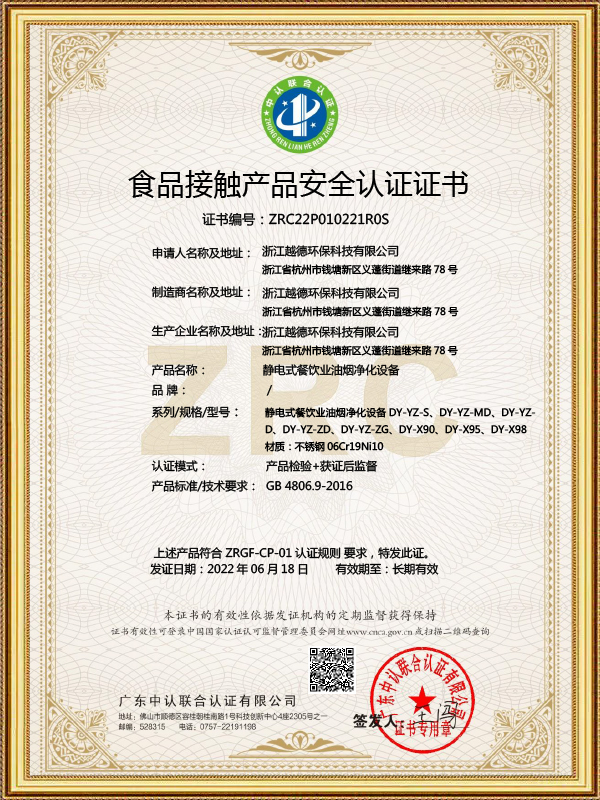
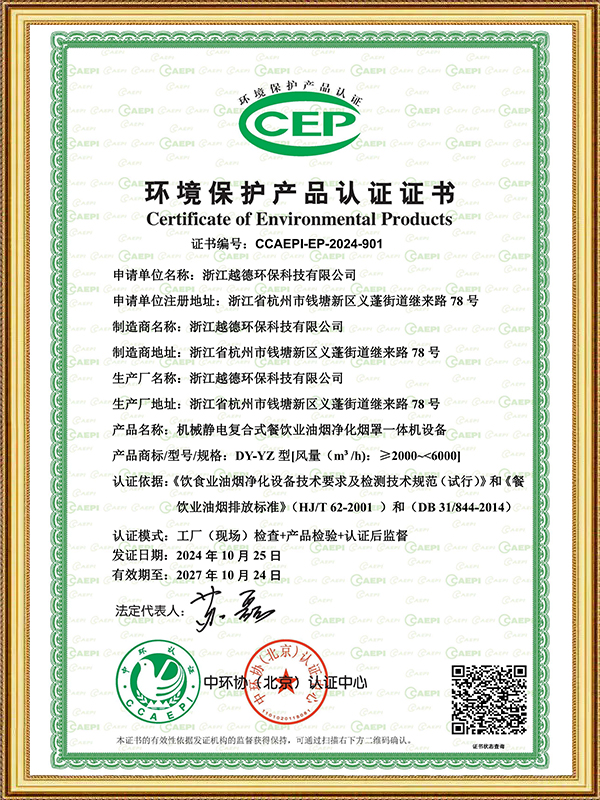
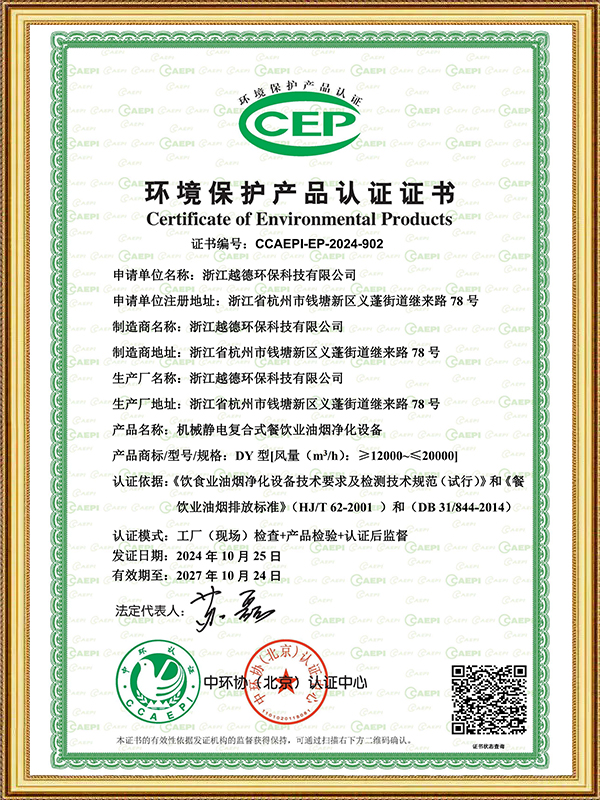
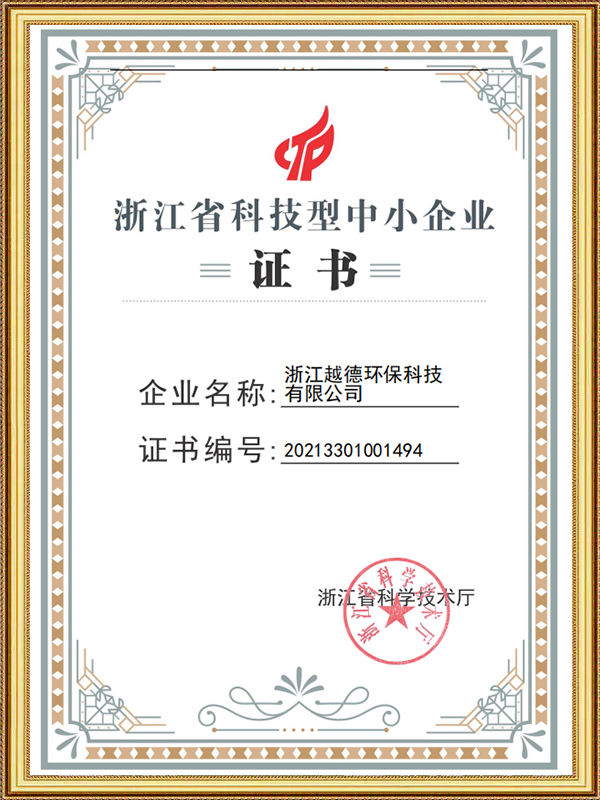
Zhejiang Yuede Environmental Protection Technology Co., Ltd.


Message Feedback
Commercial Kitchen Fume Purification System Industry knowledge
Industry Knowledge
Reducing Grease Fire Risk Through Duct Material and Cleaning Frequency
At Zhejiang Yuede, we frequently get asked why insurance auditors focus so heavily on duct interior condition rather than just the visible hood filters. The reason is that grease accumulation inside horizontal duct runs burns far more aggressively than accumulation on a filter, since horizontal sections trap condensed grease that a vertical riser would let drain back down. NFPA 96 guidance generally calls for inspection every 3 months for high-volume cooking (24-hour operations, wok stations, solid-fuel cooking), every 6 months for moderate-volume kitchens, and annually for low-volume operations like limited-service cafes — but these are minimums, not targets.
Duct material matters almost as much as cleaning frequency. Welded seam stainless steel duct with continuous liquid-tight joints resists grease seepage into wall cavities far better than screwed-and-sealed galvanized sections, where sealant tends to degrade under sustained heat cycling within 2–3 years. A properly specified Commercial Kitchen Air Purification System should include access panels every 12 feet of horizontal duct run at minimum, positioned to allow a technician to physically reach and wipe interior surfaces rather than just visually inspect through a small port.
- Horizontal duct sections accumulate grease 2–3 times faster than vertical risers of equal length
- Access panel spacing: every 12 feet on horizontal runs, and at every change of direction
- Welded stainless seams outlast sealant-and-screw joints in continuous high-heat service
Recovering Waste Heat from Kitchen Exhaust Instead of Losing It Outdoors
A working kitchen exhaust hood removes not just smoke and grease particulate but a substantial volume of conditioned or heated air, and in cold climates this can represent one of the largest hidden utility costs in a restaurant's operating budget. Air-to-air heat exchangers mounted between the exhaust and makeup air streams can reclaim roughly 40%–60% of the thermal energy that would otherwise vent straight to the roof, preheating incoming makeup air before it reaches the dining or cooking space.
The practical constraint is grease contamination on the exchanger surface, which is why heat recovery coils need to sit downstream of the grease and particulate filtration stage rather than raw exhaust — placing them upstream causes the coil fins to foul within weeks and defeats the efficiency gain almost entirely. When these components are engineered into a single housing rather than field-assembled, as with an Integrated Kitchen Air Cleaning System, the airflow path and access for coil cleaning are designed together from the start, which noticeably reduces the maintenance burden compared to retrofitting a heat exchanger onto an existing hood.
Payback considerations worth calculating before installation
- Local climate severity and number of heating degree days per year
- Current makeup air heating method (electric resistance typically shows faster payback than gas)
- Hood operating hours per day, since heat recovery only pays off during active exhaust cycles
Electrostatic Precipitation Versus UV-Ozone for Odor Neutralization
Restaurants located close to residential neighbors or inside shopping mall food courts often need odor control that goes beyond basic grease capture, and the two dominant technologies — electrostatic precipitation paired with activated carbon, versus UV-ozone oxidation — perform quite differently depending on the cooking style. Electrostatic systems excel at capturing sub-micron oil aerosols before they can carry odor compounds downstream, making them well suited to wok cooking, grilling, and frying where visible haze is the primary complaint.
UV-ozone systems instead break down odor molecules through oxidation and work better on operations with strong protein or seafood odors where the smell persists even after particulate is removed. The tradeoff is that UV-ozone requires careful ozone output limits to stay within occupational exposure guidelines, and lamp output degrades over time, typically needing replacement every 9,000–12,000 operating hours to maintain oxidation effectiveness. Many operators find that combining both — electrostatic capture as the primary stage, UV-ozone as a polishing stage — outperforms either technology used alone.
| Technology | Best Suited For | Maintenance Consideration |
|---|---|---|
| Electrostatic precipitation | Wok, grill, high-oil-aerosol cooking | Monthly plate cleaning |
| UV-ozone oxidation | Persistent protein/seafood odor | Lamp replacement every 9,000–12,000 hours |
Fitting All-in-One Purification Units into Tight Retrofit Kitchens
Retrofitting purification equipment into an existing restaurant is rarely as simple as installing the same unit a new-build kitchen would use, because ceiling height, roof penetration locations, and existing duct routing are usually already fixed. The most common bottleneck is vertical clearance above the hood — many older commercial spaces only offer 18–24 inches between the hood collar and the ceiling deck, which rules out equipment designed around a single large housing.
Splicing multiple compact modules together end-to-end solves this by letting the total filtration capacity be spread horizontally along the duct run instead of stacked vertically in one box, so each individual module can be sized to clear a tight ceiling void. This modular splicing approach is one of the areas we've focused engineering effort on at Yuede, since it lets a single product line adapt to both new construction and constrained retrofit sites without requiring a separate compact model line.
- Measure actual clearance above the hood collar before selecting equipment, not just published ceiling height
- Confirm roof penetration or exterior wall routing is feasible before committing to a fan placement
- Modular, spliced housings allow capacity to be added later if cooking volume grows, without replacing the entire unit
- No. 505 Lanshang Road, Xinwan Street, Qiantang New District, Hangzhou City, Zhejiang Province
- +86-(0)571-56682212
- [email protected]
Copyright @ Zhejiang Yuede Environmental Protection Technology Co., Ltd. All rights reserved Customized Commercial Kitchen Exhaust System Solution
