 English
 عربى
عربى
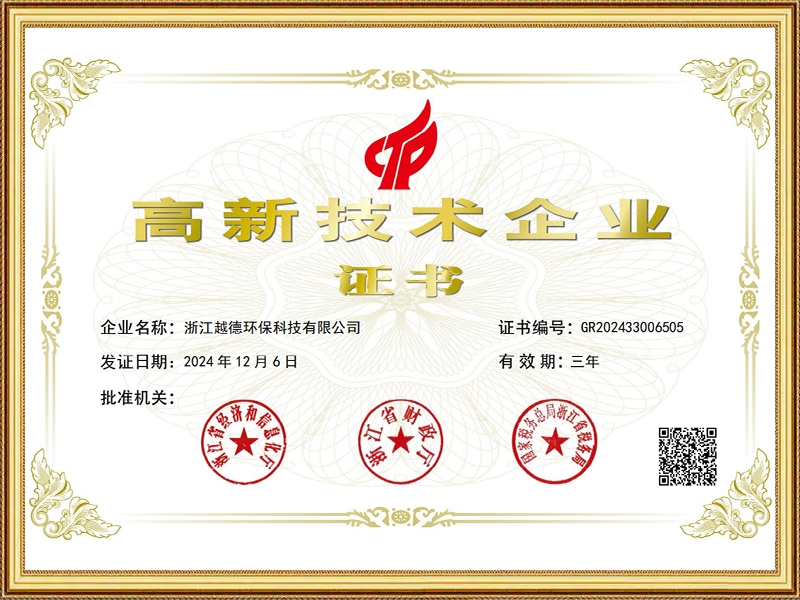
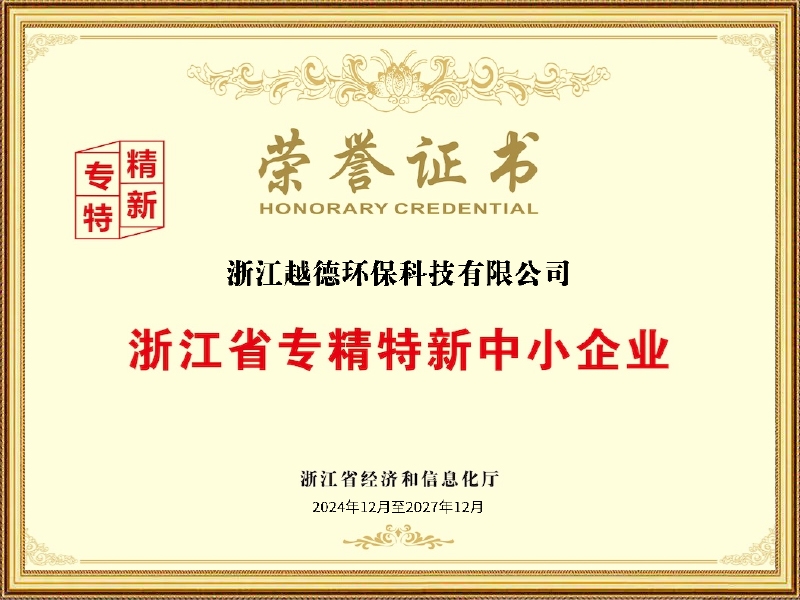
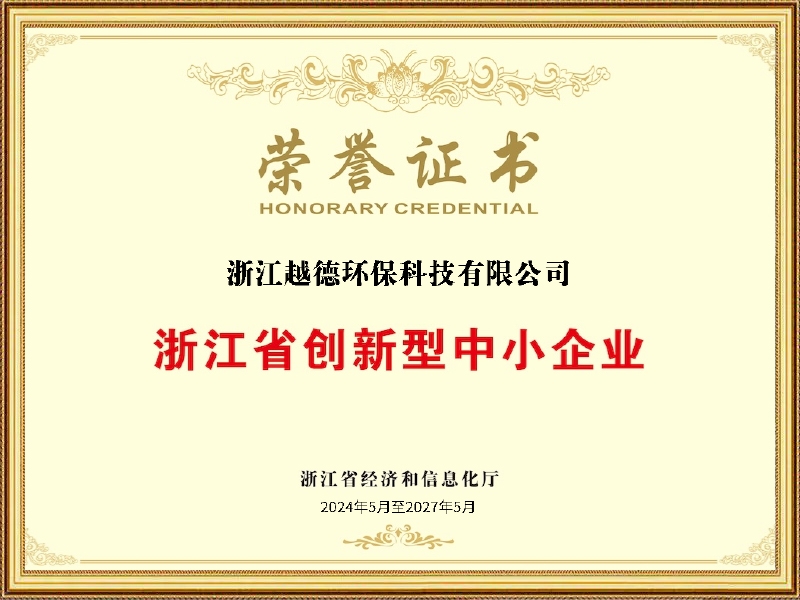
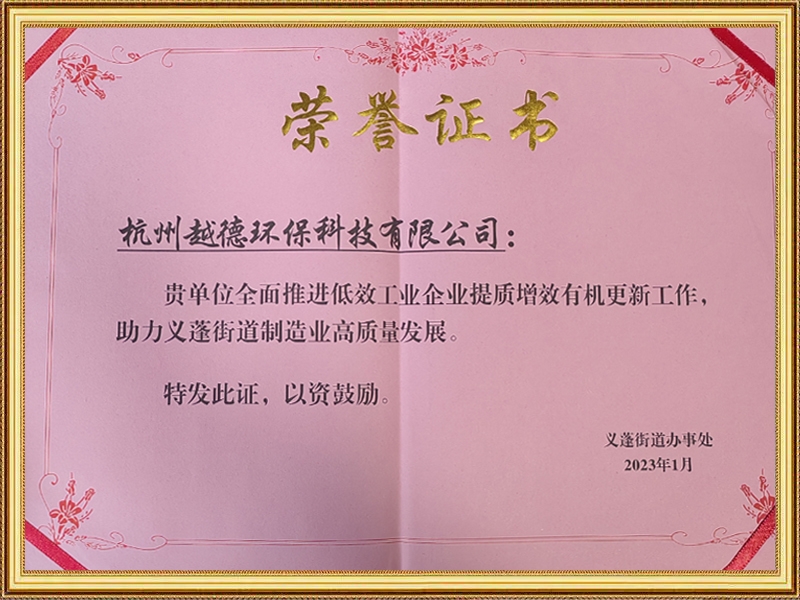
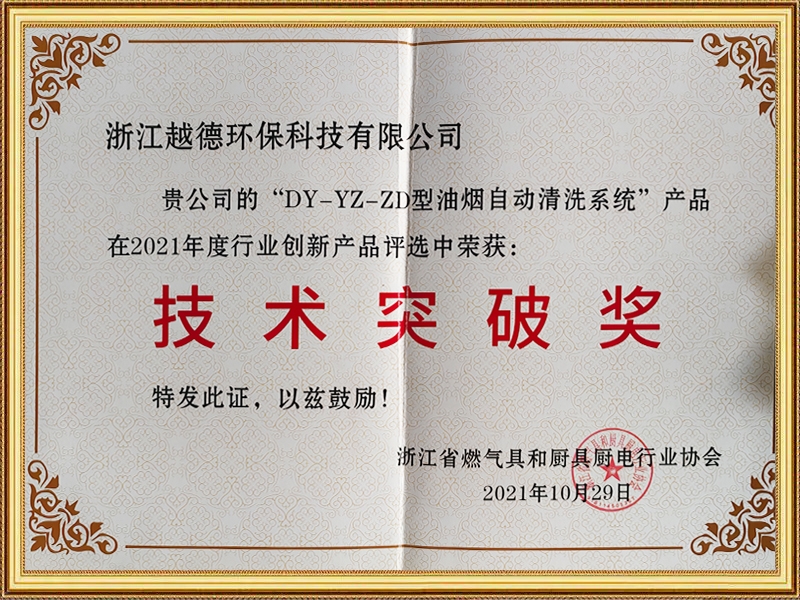
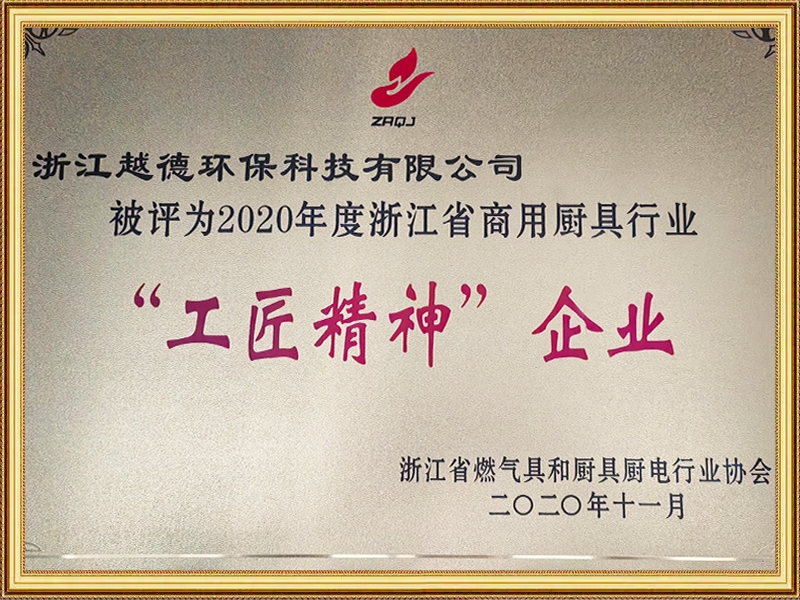
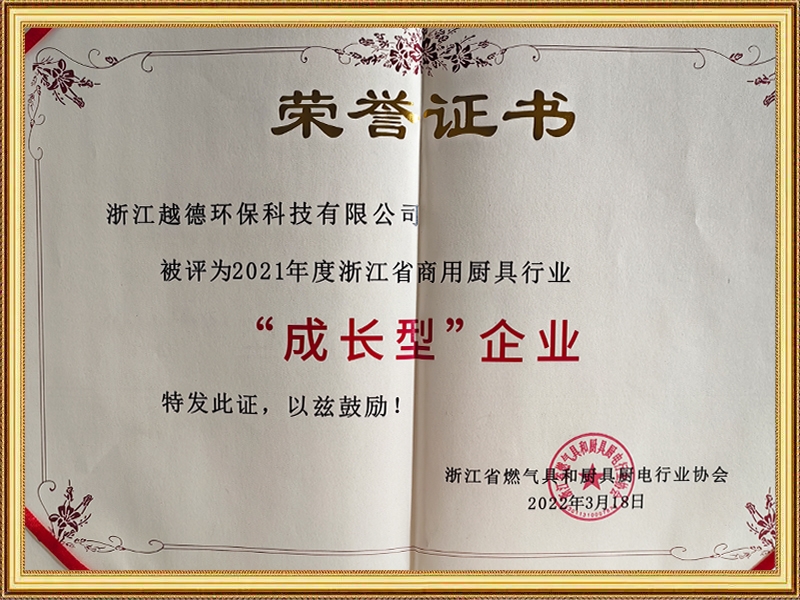
Zhejiang Yuede Environmental Protection Technology Co., Ltd. is located at 505 Lanshang Road, Xinwan Street, Qiantang District, Hangzhou City.
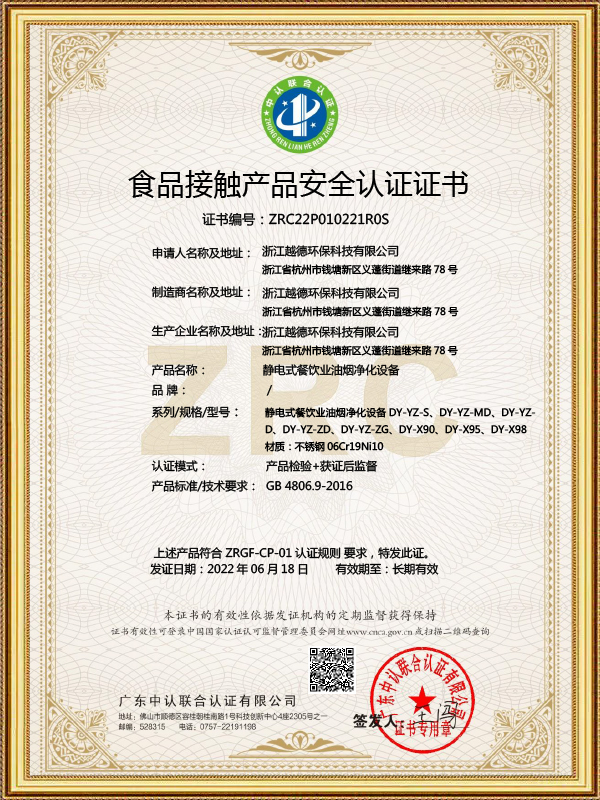
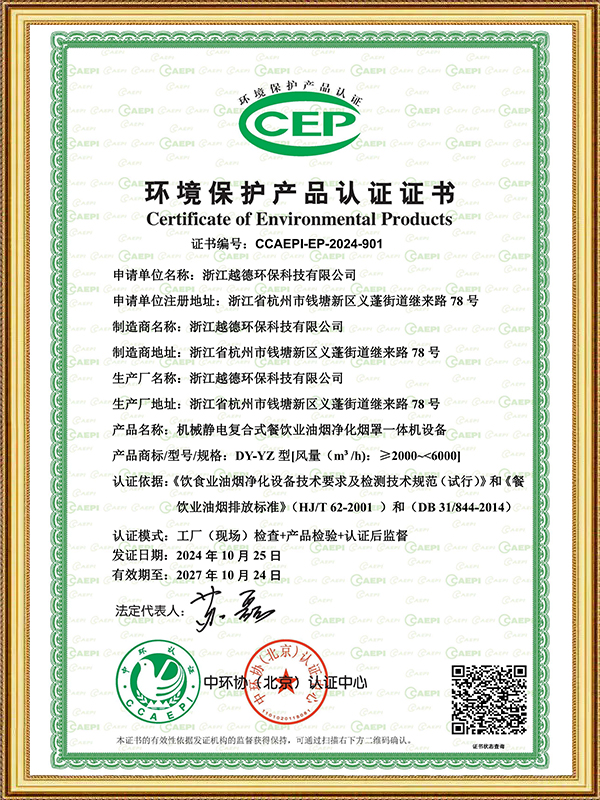
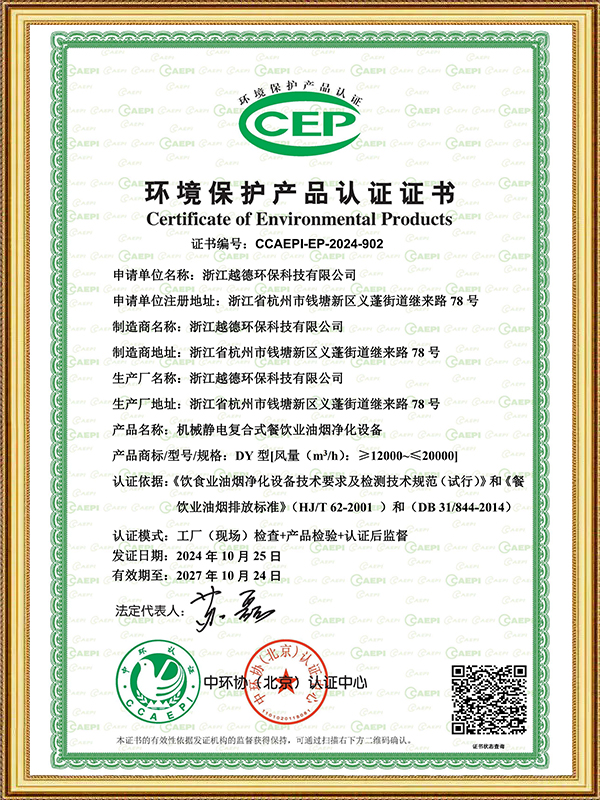
The company is mainly engaged in the research, development, production, and sales of oil fume purification and exhaust equipment, and is one of the few manufacturers in the industry with the ability to develop electronic software systems and design sheet metal structures.
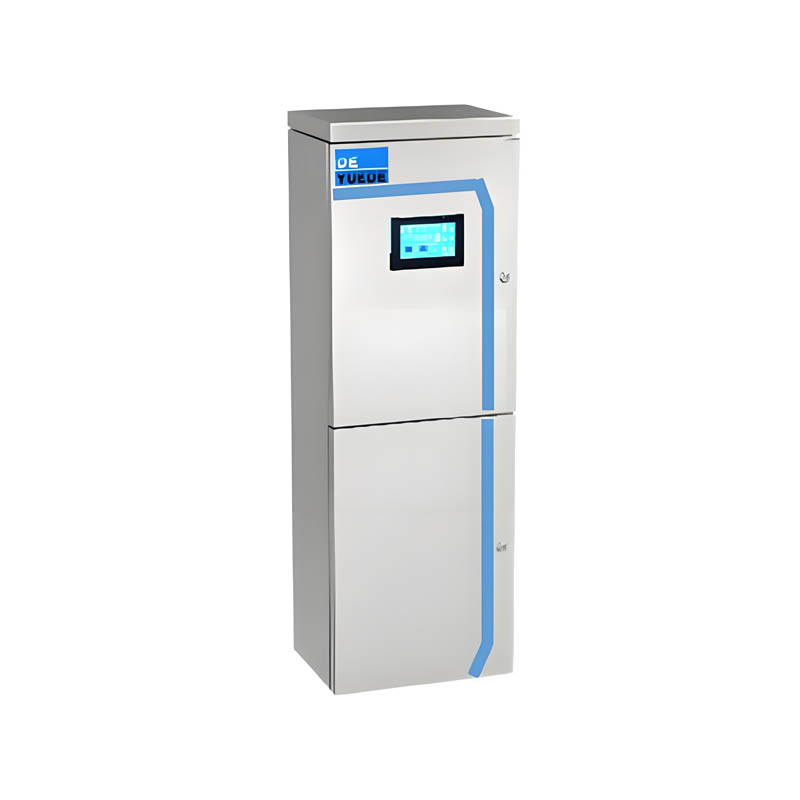
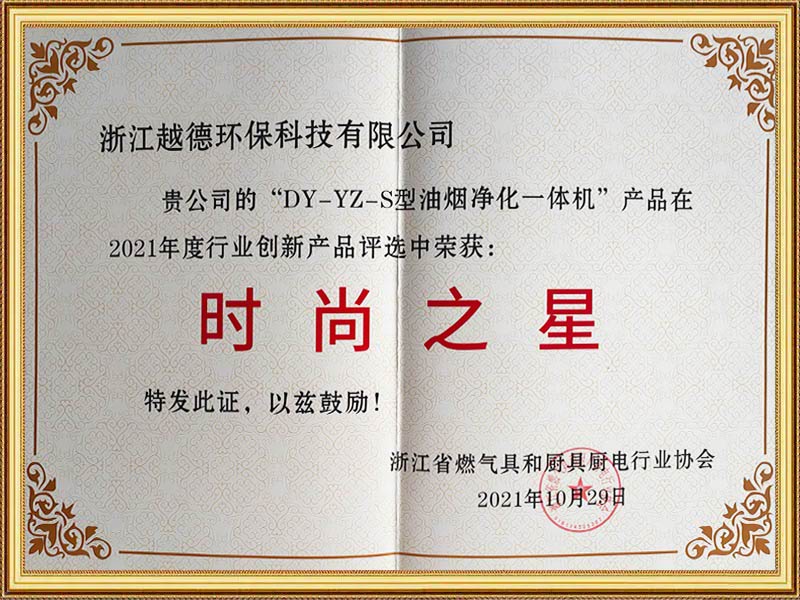
The products specifically include oil fume purifiers, oil fume purification all-in-one machines, intelligent cleaning all-in-one machines, fans, fresh air cooling fans, and intelligent smoke exhaust systems.
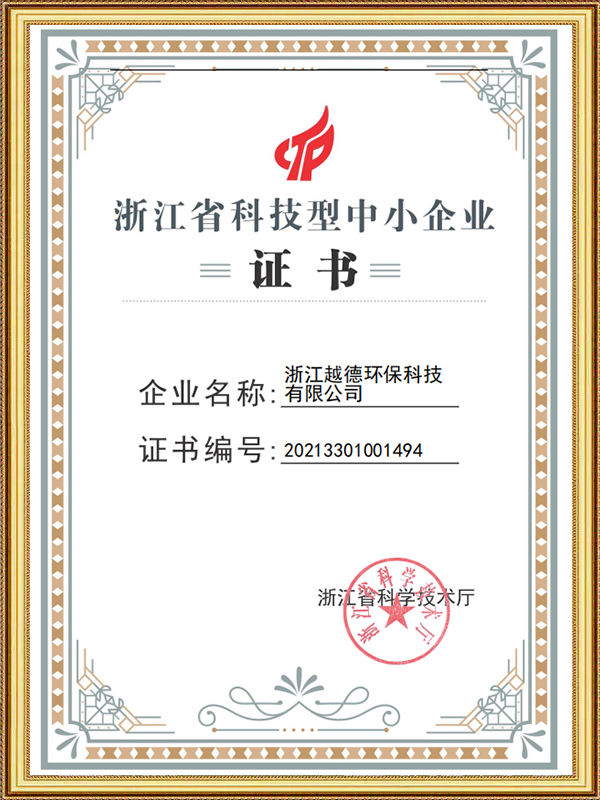
Since 2020, the company has accumulated 2 invention patents and 31 utility model patents. Among them, the practical patent - the splicing technology of all-in-one machines has been adopted by more than 80% of peers; The patents related to intelligent cleaning and intelligent smoke exhaust systems are breakthrough or leading technologies in the industry. Traditional product companies such as oil fume purifiers and fans have optimized their structure and process to achieve better results and higher grades.

Automatic Cleaning Integrated Exhaust Hood
Products & Solutions
CONTACT US
-

+86-(0)571-56682212
-

-

No. 505 Lanshang Road, Xinwan Street, Qiantang New District, Hangzhou City, Zhejiang Province
Automatic Cleaning Integrated Exhaust Hood
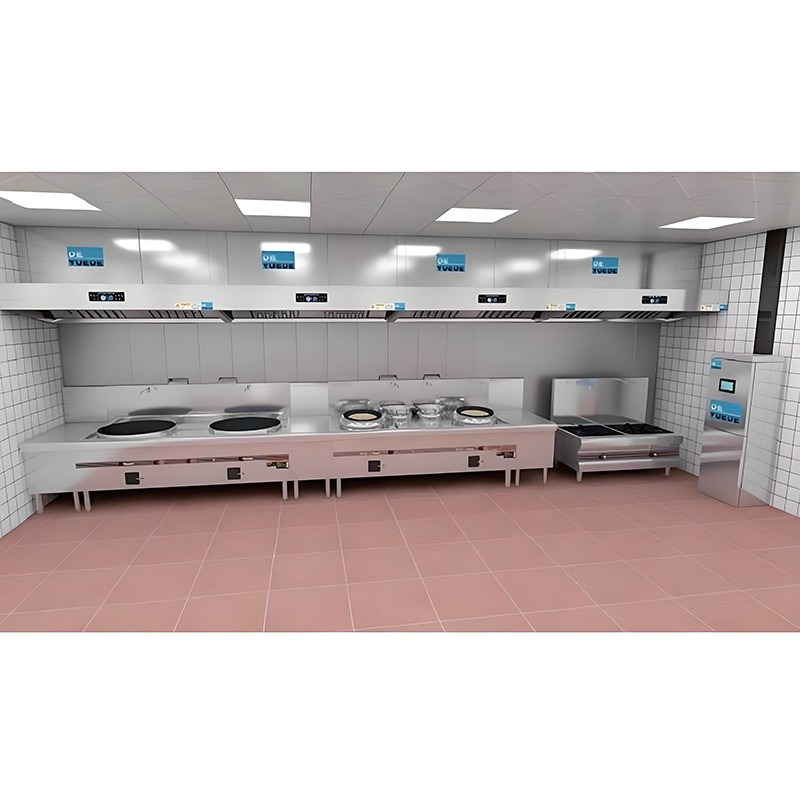
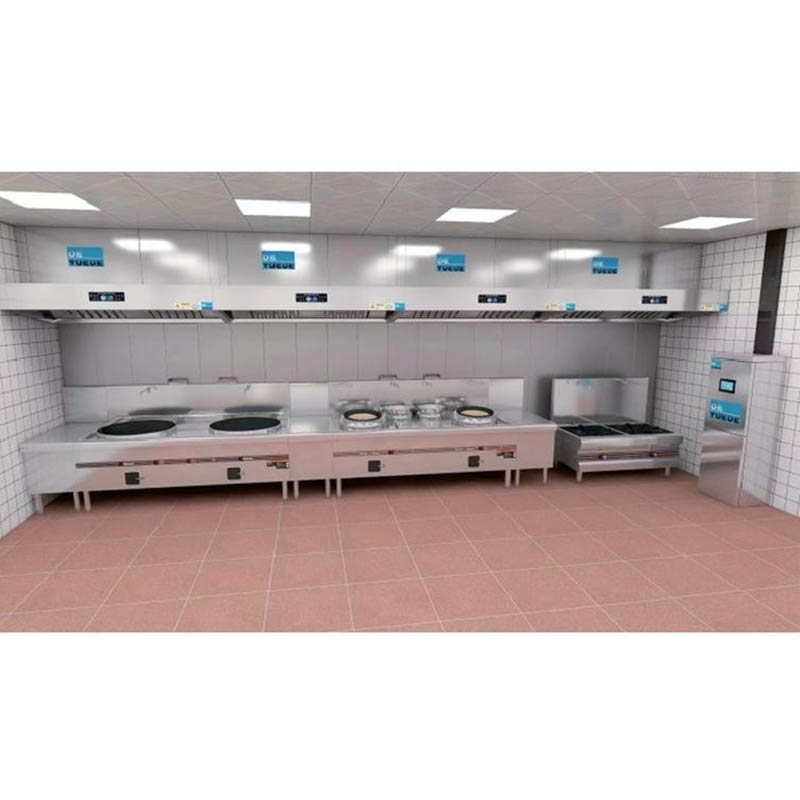
Based on the integrated unit platform, this system uses an automatic cleaning process that simulates manual cleaning steps, including heating, soaking, pressurization, and rinsing. The cleaning unit has been optimized to deliver effective cleaning performance, helping keep key components clean and reducing maintenance requirements for over two years.
About Us
Zhejiang Yuede Environmental Protection Technology Co., Ltd.

Message Feedback
Automatic Cleaning Integrated Exhaust Hood Industry knowledge
Industry Knowledge
Timer-Based Versus Sensor-Triggered Wash Cycles: Which Actually Saves Money
As Zhejiang Yuede has developed intelligent cleaning modules over the past several years, one recurring question from operators is whether a fixed nightly wash cycle is really necessary, or whether it wastes water and detergent on nights when the kitchen ran light service. The answer depends entirely on how the trigger is set. A calendar-based cycle running every night at a fixed time regardless of actual grease load typically over-cleans light-use kitchens by 30%–40% in water and detergent consumption, while under-cleaning during unusually heavy service periods like holiday weekends.
A better approach ties the wash cycle to a differential pressure reading across the filter bank or an oil-film thickness sensor on the hood interior surface, so the system only triggers a full wash when actual buildup crosses a set threshold. This is the logic built into a Self Cleaning Exhaust Hood using sensor-based triggering rather than a simple timer relay, and kitchens that switch from timer-based to sensor-based control commonly report detergent savings without any measurable increase in residual grease on inspection.
- Fixed nightly timer: simple, low cost, but blind to actual cooking volume
- Differential pressure trigger: reacts to real filter loading, better suited to variable service volume
- Hybrid mode: minimum one cycle per operating day, plus an additional cycle if the pressure threshold is crossed early
Nozzle Layout and Spray Coverage Gaps That Undermine Automatic Washdown
An automatic wash system is only as good as its spray coverage, and the most common failure point isn't the pump or detergent mix — it's a nozzle layout with dead zones the spray pattern never reaches. Corners where the hood plenum meets the duct collar, and the underside of baffle filter frames, are notorious blind spots because a single row of nozzles aimed straight down leaves these angled surfaces largely untouched.
Layout adjustments that close common coverage gaps
- Angled nozzles at plenum corners rather than only straight-down spray heads
- A secondary low-pressure rinse pass after the main detergent cycle to flush residue pooled in corners
- Nozzle spacing tightened to roughly 12–16 inches apart along wide hood sections, since wider spacing tends to leave visible streaking between spray fans
A properly designed Automatic Cleaning Kitchen Hood lays out nozzle position during initial CAD modeling of the plenum shape rather than adding spray heads to a generic hood afterward, since retrofitted nozzle kits rarely account for the specific internal geometry of a given hood profile.
Wastewater and Detergent Handling: What Automatic Systems Need Downstream
Automating the wash cycle solves the labor problem but introduces a plumbing question that's easy to overlook during planning: where does the used detergent-and-grease water actually go. Discharging directly to a standard floor drain without a grease interceptor in the path risks violating local wastewater discharge limits, since detergent-emulsified grease behaves differently in a sewer line than solid grease trapped mechanically — it stays suspended longer and can accumulate further downstream in municipal piping.
| Discharge Setup | Risk | Recommended Fix |
|---|---|---|
| Direct to floor drain | Emulsified grease bypasses standard trap | Route through dedicated grease interceptor first |
| High-alkaline detergent | May exceed local pH discharge limits | Confirm detergent pH against local code before selection |
| Undersized drain line | Wash cycle water backs up mid-cycle | Size drain line to peak wash-cycle flow, not average kitchen drainage |
Checking local plumbing code for grease interceptor sizing before installation avoids a costly retrofit later, since interceptors are usually sized around peak flow rather than average daily volume.
Turning Cleaning Cycle Data into a Predictive Maintenance Record
Once a hood's cleaning cycle is controlled electronically rather than manually, the same sensors that trigger the wash can also build a maintenance history that's genuinely useful for planning rather than just reacting. Logging wash frequency, pressure differential trends, and detergent consumption over several months typically reveals gradual drift long before a component actually fails — a slowly rising baseline pressure reading, for instance, often signals a duct obstruction developing well before it becomes severe enough to trigger an alarm threshold.
This kind of historical logging is one of the breakthrough areas we at Yuede have pushed further than most traditional equipment lines, since our in-house electronic control development means the sensor data feeding an Intelligent Cleaning Kitchen Hood can be exported and reviewed rather than existing only as a momentary alert that resets after each cycle. For multi-site operators, comparing this data across locations also highlights which sites are running heavier loads than their design specification anticipated, informing equipment upgrades before a failure forces the decision.
- Track baseline pressure differential monthly to catch slow duct obstruction trends
- Compare detergent consumption per cycle across sites to flag units needing nozzle inspection
- Use cycle frequency data to right-size equipment capacity at contract renewal rather than guessing from memory
- No. 505 Lanshang Road, Xinwan Street, Qiantang New District, Hangzhou City, Zhejiang Province
- +86-(0)571-56682212
- [email protected]
Copyright @ Zhejiang Yuede Environmental Protection Technology Co., Ltd. All rights reserved Customized Commercial Kitchen Exhaust System Solution
