
 English
 عربى
عربى
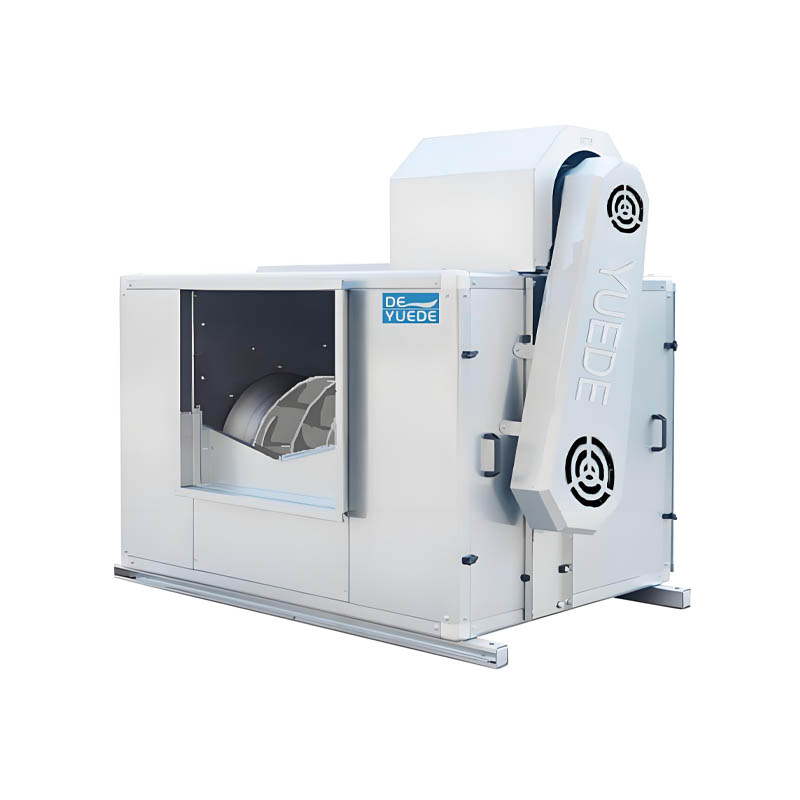
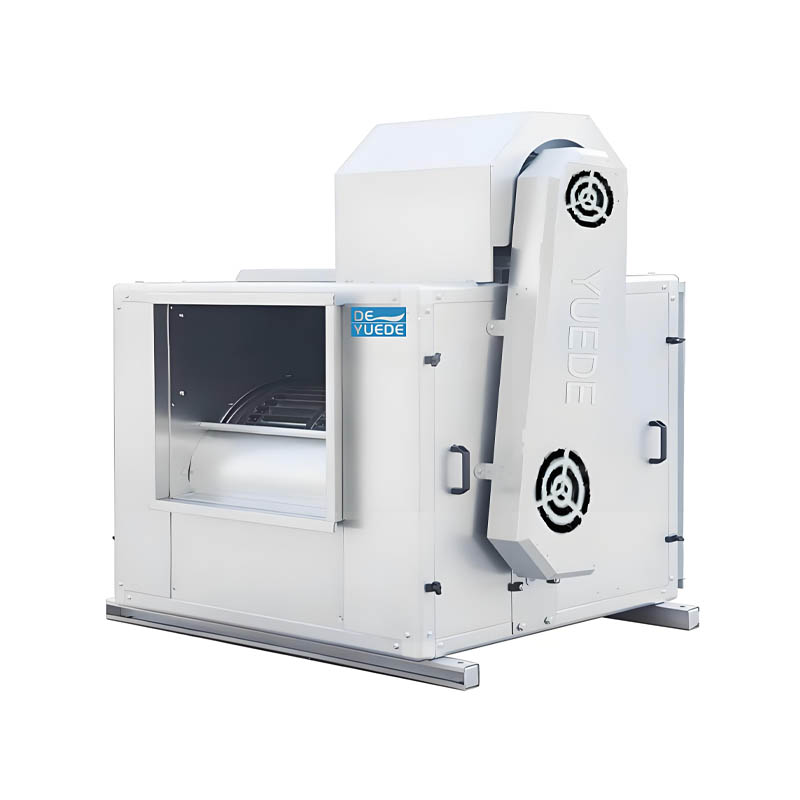
Zhejiang Yuede Environmental Protection Technology Co., Ltd. is located at 505 Lanshang Road, Xinwan Street, Qiantang District, Hangzhou City. China Demand Control Kitchen Ventilation Manufacturers and Demand Control Kitchen Ventilation Factory.
The company is mainly engaged in the research, development, production, and sales of oil fume purification and exhaust equipment, and is one of the few manufacturers in the industry with the ability to develop electronic software systems and design sheet metal structures.
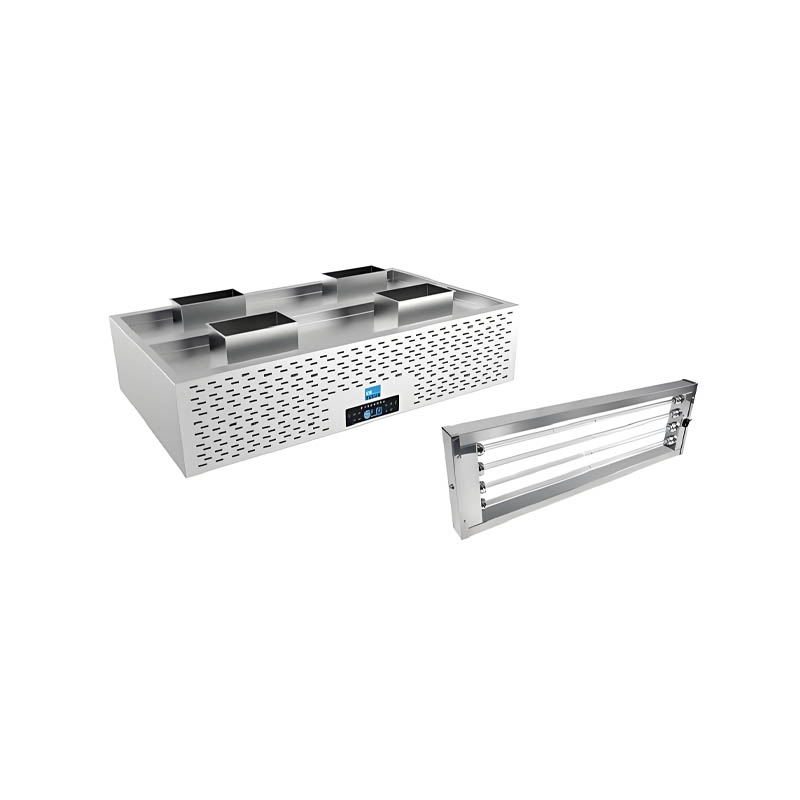
The products specifically include oil fume purifiers, oil fume purification all-in-one machines, intelligent cleaning all-in-one machines, fans, fresh air cooling fans, and intelligent smoke exhaust systems.
Since 2020, the company has accumulated 2 invention patents and 31 utility model patents. Among them, the practical patent - the splicing technology of all-in-one machines has been adopted by more than 80% of peers; The patents related to intelligent cleaning and intelligent smoke exhaust systems are breakthrough or leading technologies in the industry. Traditional product companies such as oil fume purifiers and fans have optimized their structure and process to achieve better results and higher grades.
Demand Control Kitchen Ventilation Manufacturer
-- Steady & Reliable Manufacturer --
Introduction
Demand Control Kitchen Ventilation (DCKV) is an intelligent ventilation control approach that continuously adjusts kitchen exhaust and supply air volume in real time based on actual cooking activity — rather than running the ventilation system at fixed, maximum design airflow regardless of whether cooking is occurring. In a conventional kitchen ventilation system, the exhaust fan runs at full speed from kitchen opening to closing, consuming maximum energy regardless of whether the kitchen is cooking at full capacity or standing idle between services. DCKV reduces fan speed (and fan energy consumption, which follows a cubic relationship with speed) during low-cooking periods while maintaining full ventilation capacity when cooking load demands it.
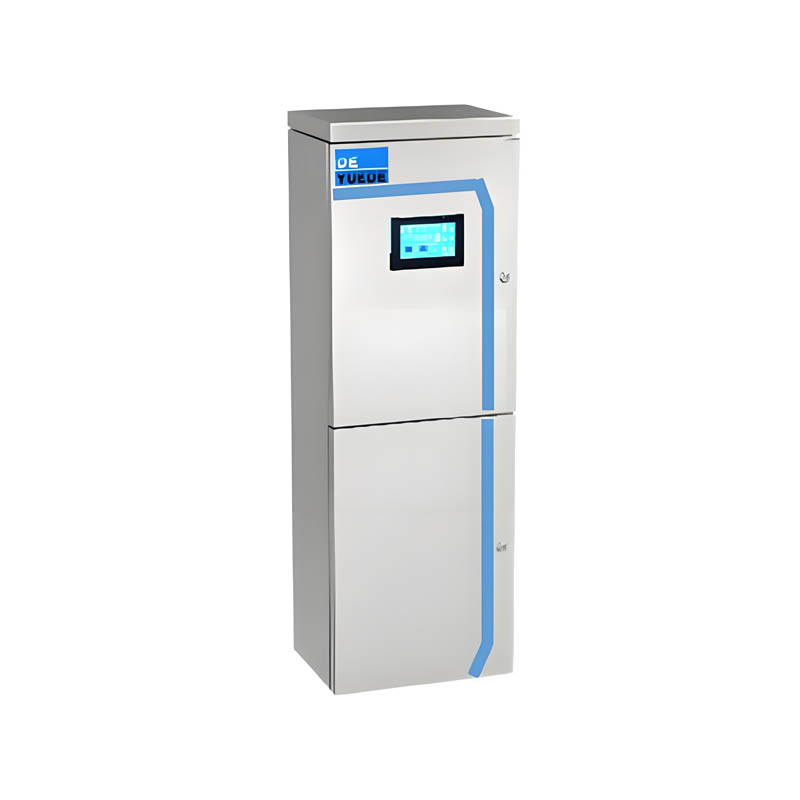
Yuede's intelligent smoke extraction system — the core of Yuede's DCKV offering — integrates sensors (temperature, opacity, CO/CO₂), variable frequency drives (VFDs) on exhaust and supply fans, zone dampers, and an intelligent control unit to create a responsive, energy-optimized kitchen ventilation system. The system continuously modulates airflow from a configurable minimum (typically 30–40% of design maximum) to 100% based on the real-time sensor readings from each cooking zone, delivering energy savings of 30–60% compared to fixed-speed ventilation while maintaining consistent capture efficiency at every cooking load level.
Products & Solutions
Recommend product
Specification
| Parameter | Detail |
|---|---|
| Sensor Technology | Temperature sensor (thermocouple); opacity/smoke sensor; optional CO/CO₂ |
| Control Range | 30–100% design airflow (minimum setpoint configurable) |
| Fan Control | Variable frequency drive (VFD) on exhaust fan; matched VFD on supply fan |
| Zone Control | Per-hood or per-zone dampers with modulating actuators |
| Response Time | <30 seconds from sensor signal to fan speed adjustment |
| Control Interface | Yuede intelligent controller; 7-inch touchscreen; BMS integration (Modbus RTU) |
| Energy Saving | 30–60% reduction in fan energy vs. fixed-speed (cooking profile dependent) |
| Communication | Wired (RS-485) or wireless (optional) sensor network |
| Alarm Outputs | High-temperature alarm; fan fault; sensor fault; BMS dry contact output |
| Override Modes | Manual override to 100%; fire mode (full speed); cleaning mode |
| Applicable Standards | ASHRAE 90.1 (DCKV requirements); EN 16282; GB 50736 |
| Certification | CE; Yuede intelligent control system patents |
* Yuede DCKV system available in wired and wireless sensor network configurations. Energy metering output available for green building certification (LEED, BREEAM, Green Mark) submissions. System design includes sensor placement plan and VFD sizing calculations.
Application
- Hotel Banquet & All-Day Dining Kitchens: Hotel kitchens serve breakfast, lunch, and dinner services with significant idle periods between. DCKV systems reduce fan energy consumption during preparation and post-service periods while maintaining full ventilation during peak cooking — where the energy savings are most significant given the large kitchen size and high fan power typical of hotel installations.
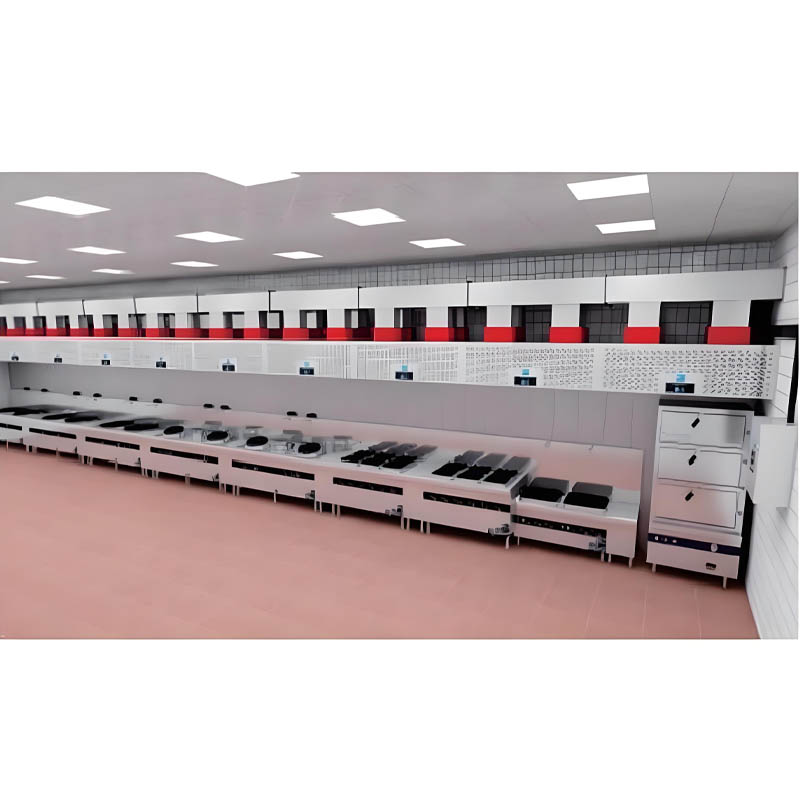
- University & Institutional Canteens: University canteens serving fixed meal periods (e.g., 7–9 AM breakfast, 12–2 PM lunch, 5–7 PM dinner) have predictable idle periods where DCKV savings are substantial. Yuede's system has been installed at Hangzhou Normal University, demonstrating real-world energy performance in an institutional catering environment.
- Large Corporate Campus Kitchens: Corporate campuses with employee dining facilities benefit from DCKV for both energy cost reduction and sustainability reporting — DCKV energy savings contribute to corporate carbon reduction targets and green building certification scores.
- Green Building Projects Seeking LEED/BREEAM Credits: DCKV is specifically recognized in LEED and BREEAM rating systems as an energy efficiency measure for kitchen ventilation. Yuede's DCKV system can provide the energy metering output data needed for green building certification submissions.
- Large Commercial Kitchens with Multiple Cooking Zones: Multi-zone commercial kitchens (e.g., hot section, cold section, pastry, staff canteen) can benefit from per-zone DCKV control — zones without active cooking drop to minimum airflow independently, maximizing savings without compromising capture performance in active zones.
- Q: How are the sensors used in DCKV positioned and configured?
- A: Sensors are typically installed at the exhaust plenum inlet of each exhaust hood, or at a representative position in the exhaust duct immediately above each cooking zone. Temperature sensors detect heat generated by active cooking equipment, while opacity sensors detect smoke and fume opacity — both indicators of active cooking load. Sensor positions are determined during system design based on the cooking equipment layout. Yuede provides a sensor placement drawing with each system design.
- Q: Does DCKV affect cooking fume capture efficiency during high-load periods?
- A: No — DCKV is designed to increase airflow when sensors detect active cooking, reaching 100% design airflow when the cooking load demands it. The control system is biased toward over-ventilation rather than under-ventilation at any cooking load — it only reduces airflow when sensor readings confirm that cooking activity is genuinely low. Properly designed and commissioned DCKV maintains capture efficiency equivalent to a fixed-speed system during all actual cooking operations.
- Q: Can DCKV be retrofitted to an existing kitchen ventilation system?
- A: Yes, DCKV retrofit is feasible if the existing exhaust fans can accept VFD control (most modern fan motors are VFD-compatible) and the existing ductwork can accommodate damper installation where zone control is required. The key retrofit addition is the sensor network, VFDs, and Yuede's intelligent control panel. Yuede's wireless sensor option significantly simplifies retrofit by eliminating the need to install sensor cabling in an operating kitchen.
- Q: What is the typical payback period for a DCKV system?
- A: Payback period depends on local electricity cost, current fan power, and kitchen operating profile. For a large hotel kitchen with 50–100 kW of installed fan power operating 365 days per year, DCKV typically achieves payback in 2–4 years from energy savings alone. For smaller kitchens with lower fan power, the payback period is longer and the case for DCKV is typically made on green building certification value or tenant/operator sustainability commitments rather than pure energy economics.
About Us
Zhejiang Yuede Environmental Protection Technology Co., Ltd.

Message Feedback
