
 English
 عربى
عربى
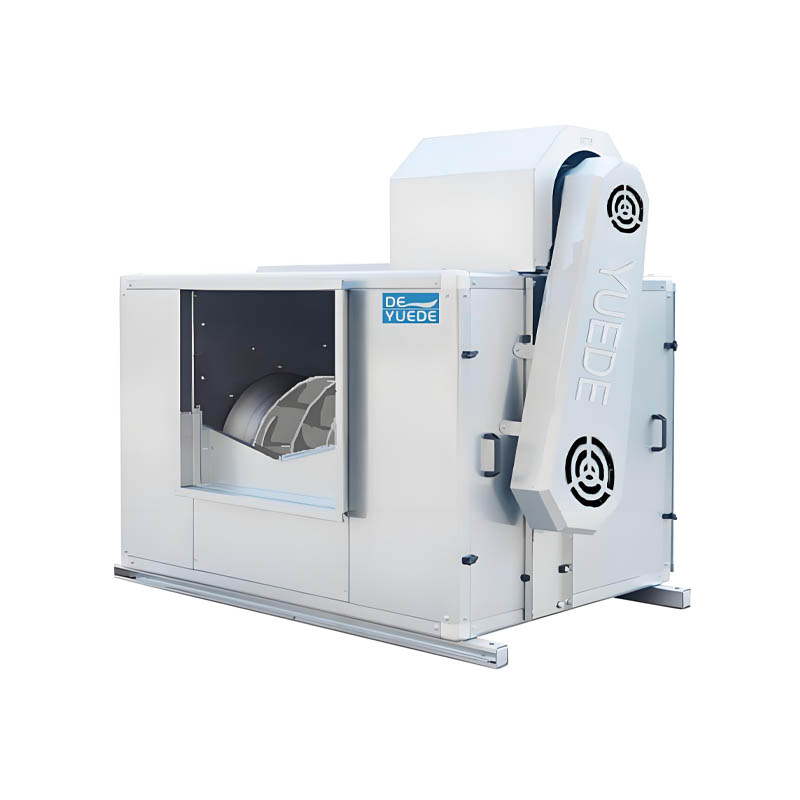
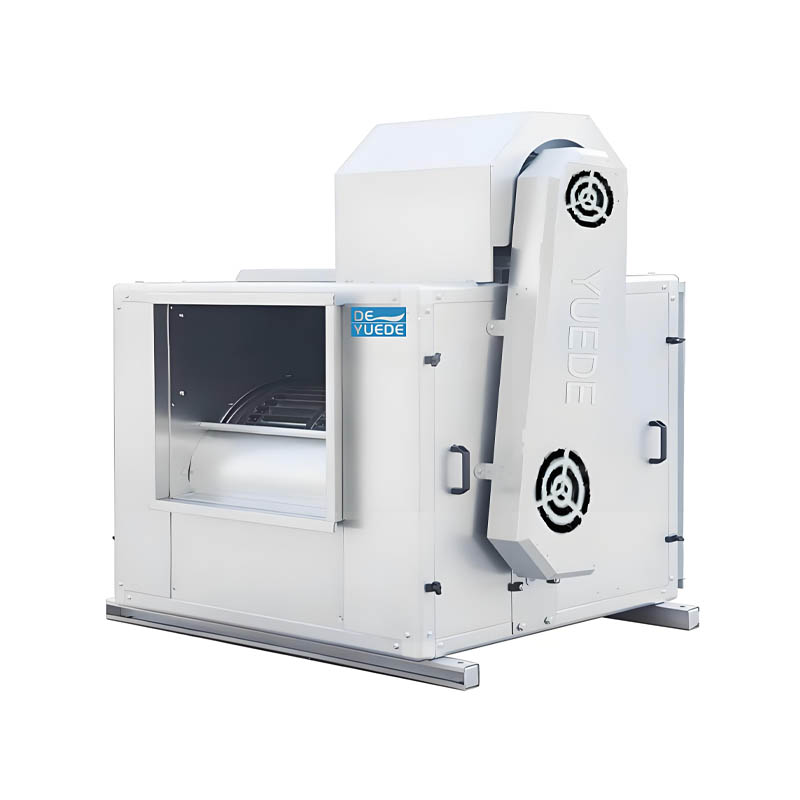
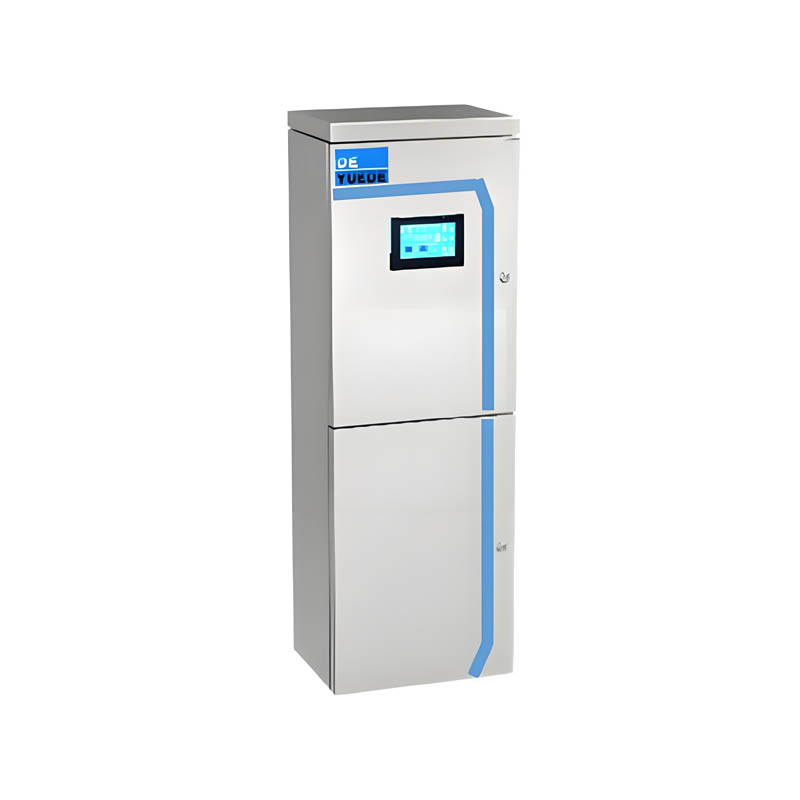
Zhejiang Yuede Environmental Protection Technology Co., Ltd. is located at 505 Lanshang Road, Xinwan Street, Qiantang District, Hangzhou City. China UV Odor Control System Manufacturers and UV Odor Control System Factory.
The company is mainly engaged in the research, development, production, and sales of oil fume purification and exhaust equipment, and is one of the few manufacturers in the industry with the ability to develop electronic software systems and design sheet metal structures.
The products specifically include oil fume purifiers, oil fume purification all-in-one machines, intelligent cleaning all-in-one machines, fans, fresh air cooling fans, and intelligent smoke exhaust systems.
Since 2020, the company has accumulated 2 invention patents and 31 utility model patents. Among them, the practical patent - the splicing technology of all-in-one machines has been adopted by more than 80% of peers; The patents related to intelligent cleaning and intelligent smoke exhaust systems are breakthrough or leading technologies in the industry. Traditional product companies such as oil fume purifiers and fans have optimized their structure and process to achieve better results and higher grades.
UV Odor Control System Manufacturer
-- Steady & Reliable Manufacturer --
Introduction
Cooking odors from commercial kitchens are one of the most common sources of neighbor complaints and regulatory enforcement action against food service operators. Unlike visible smoke or measurable particulate emissions that can be quantified against regulatory thresholds, cooking odors are subjectively perceived and can trigger complaints even at low concentrations — particularly for sensitive receptors such as residential neighbors, hotel guests, or hospital patients. A UV odor control system uses the photochemical oxidizing power of UV-C radiation and ozone to decompose the odor-causing aromatic compounds in cooking exhaust before discharge, addressing the root cause of complaints rather than masking symptoms.
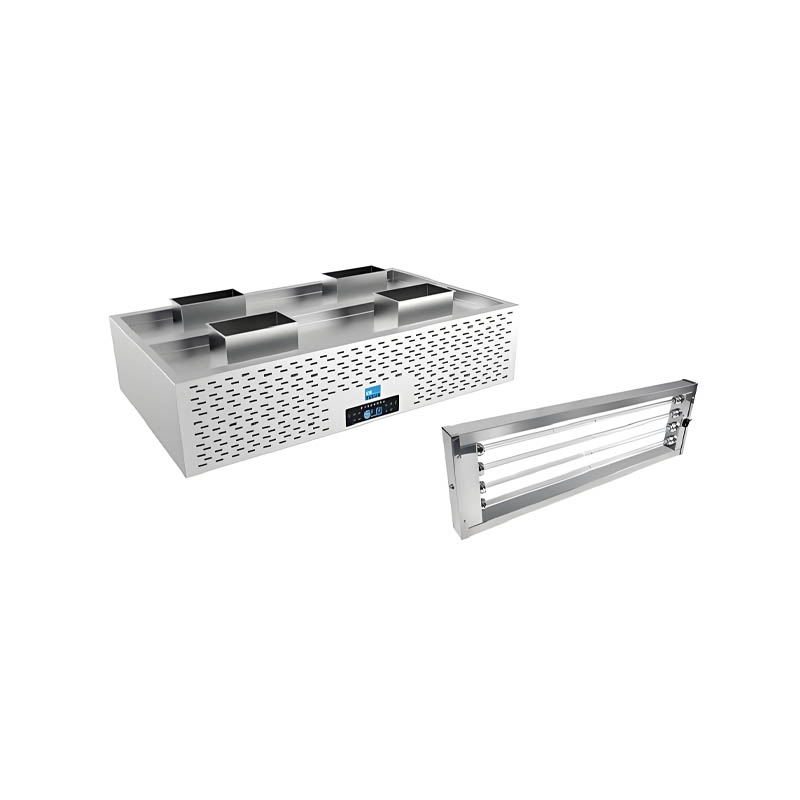
Yuede's UV odor control systems are designed for integration into commercial kitchen exhaust systems as a terminal treatment stage — typically installed between the main exhaust fan and the discharge point. The exhaust airstream passes through a UV irradiation chamber where 185 nm UV photons generate ozone and hydroxyl radicals that attack and break down the complex volatile organic compounds (VOCs) and aromatic hydrocarbons responsible for cooking odors. The result is a measurably lower concentration of odor compounds at the discharge point, reducing the potential for neighbor impact and helping meet local odor emission regulations.
Products & Solutions
Recommend product
Specification
| Parameter | Detail |
|---|---|
| UV Technology | 185 nm + 254 nm low-pressure UV-C mercury lamp (ozone-generating) |
| Odor Reduction Efficiency | ≥70–85% reduction in odor concentration units (OU/m³) |
| VOC Decomposition | Effective against aldehydes, ketones, fatty acids, aromatic hydrocarbons |
| Treatment Chamber | 304 SS; UV-reflective interior; min. 500 mm UV contact length |
| Airflow Capacity | 500–30,000 m³/h (single or multiple chamber) |
| Residence Time | 0.1–0.5 seconds in UV zone (design parameter) |
| Ozone Concentration (generated) | 0.1–1.0 ppm in treatment zone (consumed in reactions) |
| Ozone at Discharge | <0.1 ppm (design target; verify with site measurement) |
| Lamp Failure Alarm | Individual lamp monitoring; alarm output to BMS |
| Access | Hinged side panels for lamp inspection/replacement |
| Installation | Inline duct mount; horizontal or vertical; support frame included |
| Certification | CE; GB 18483; IEC 62471; GB/T 18801 |
* For maximum odor control, UV odor treatment can be combined with activated carbon adsorption as a polishing stage. Multi-stage system design available on request.
Application
- Restaurants in Residential Buildings: Ground-floor restaurants in apartment blocks are the highest-risk scenario for odor complaints. UV odor control at the kitchen exhaust discharge point reduces odor concentration to levels that minimize the potential for residential neighbor impact.
- Hotel Kitchen Exhaust to Guest Areas: Hotel kitchens discharging near guest room windows, terraces, or spa areas require effective odor control to protect the ambient environment expected by premium guests.
- Restaurants Subject to Environmental Authority Odor Complaints: Operators who have received formal complaints or enforcement notices from environmental authorities find UV odor control systems one of the most practical compliance technologies available within existing duct constraints.
- High-Odor Cooking Styles: Charcoal grilling, Korean/Chinese barbecue, fish cooking, and spiced meat preparation generate cooking exhaust with particularly strong, distinctive odors that require active treatment rather than dilution alone.
- Shared Building Exhaust Systems: Buildings with shared exhaust risers serving multiple kitchen tenants benefit from UV odor treatment at the shared riser discharge, managing the combined odor from multiple kitchens without requiring individual treatment on each tenant's system.
- Q: How effective is UV odor control compared to activated carbon filters?
- A: Both technologies are effective for cooking odor control but work differently. UV oxidation is a continuous, non-consumable process that decomposes odor molecules but requires adequate residence time in the UV zone to be effective. Carbon adsorption physically captures odor molecules but saturates over time and requires regular replacement. For light to moderate odor loads, UV alone is often sufficient. For heavy odor loads (charcoal grilling, fish cooking), a combination of UV followed by activated carbon provides the most complete treatment. Yuede can specify the appropriate technology or combination for your specific cooking profile.
- Q: Will the UV odor control system produce ozone that reaches kitchen staff?
- A: The UV treatment zone is fully enclosed within the exhaust ductwork — there is no ozone exposure to kitchen personnel during normal operation. The ozone generated at 185 nm is consumed in the odor oxidation reactions within the treatment zone. Yuede's system design ensures that ozone concentration at the duct discharge is below ambient safety thresholds. Access interlocks prevent UV lamp exposure during any maintenance activities.
- Q: Can UV odor control be measured and verified?
- A: Yes. Odor concentration can be measured in odor units per cubic meter (OU/m³) using dynamic olfactometry (EN 13725). Yuede can arrange before/after measurements at the exhaust discharge point to quantify the odor reduction achieved by the UV system. This measurement can be included in regulatory compliance documentation or used as evidence in dispute resolution with environmental authorities or neighboring occupants.
- Q: Is UV odor control effective against all cooking odors?
- A: UV photochemical oxidation is effective against a broad range of cooking odor compounds including aldehydes, ketones, fatty acids, and aromatic hydrocarbons. It is most effective against lighter molecular weight compounds. Very heavy, complex aromatic compounds from charcoal smoking or high-temperature meat cooking may require a combination of UV and activated carbon for complete treatment. Yuede's technical team can assess your cooking profile and recommend the appropriate system configuration.
About Us
Zhejiang Yuede Environmental Protection Technology Co., Ltd.

Message Feedback
