
 English
 عربى
عربى
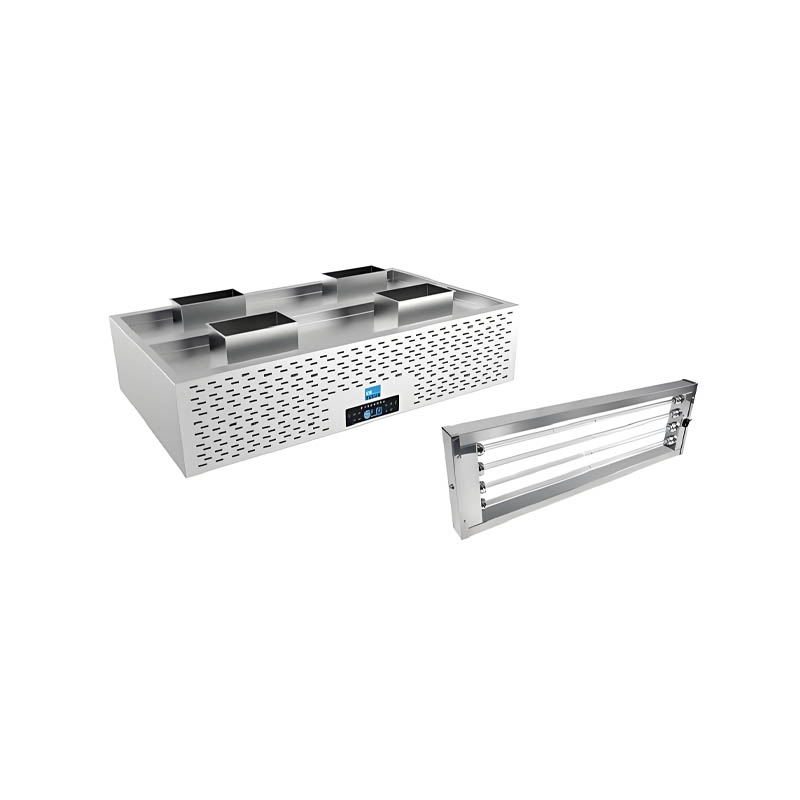
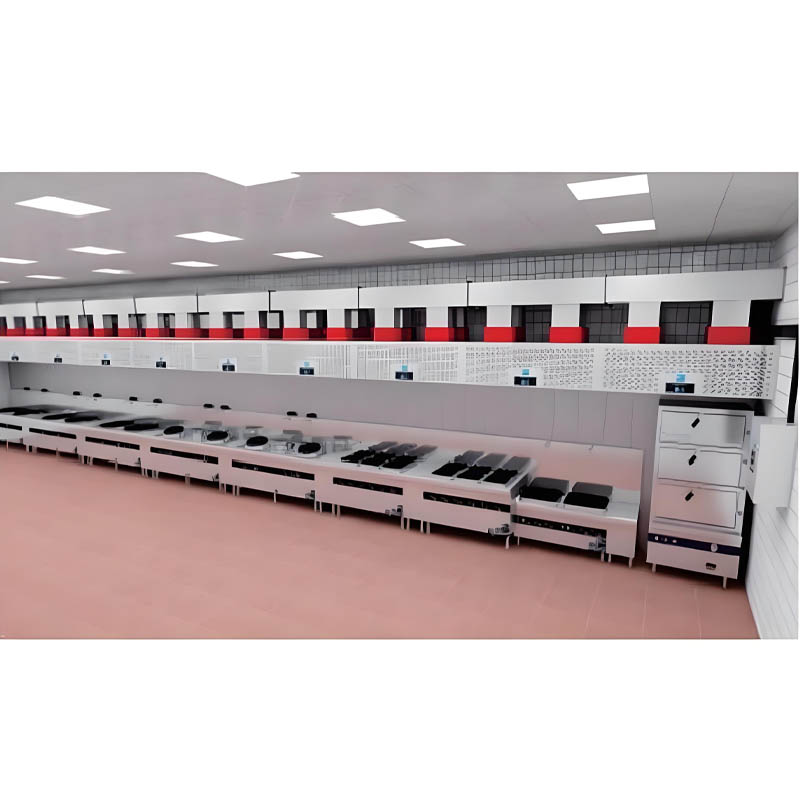
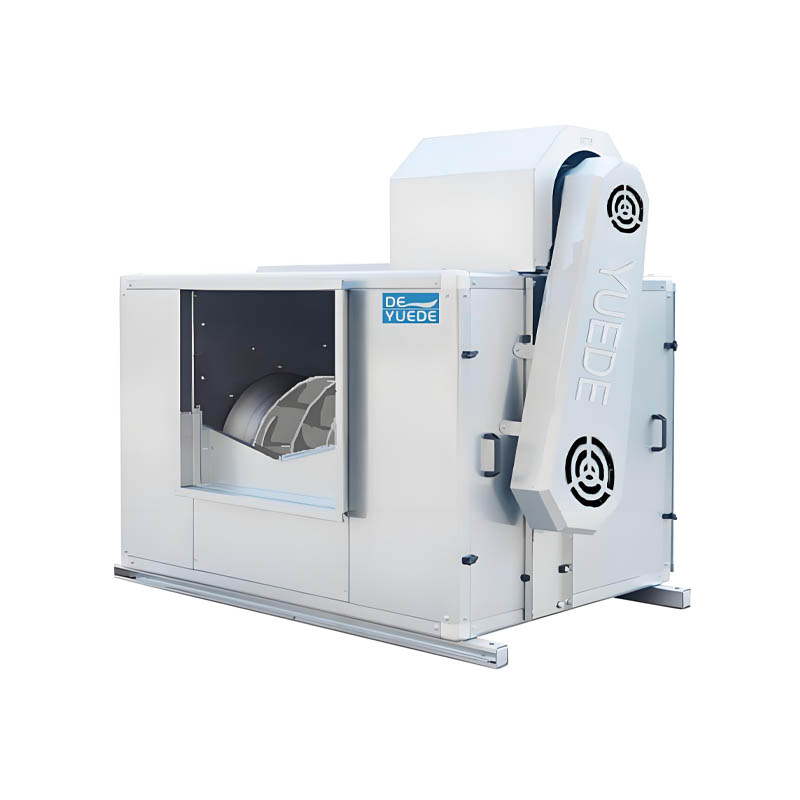
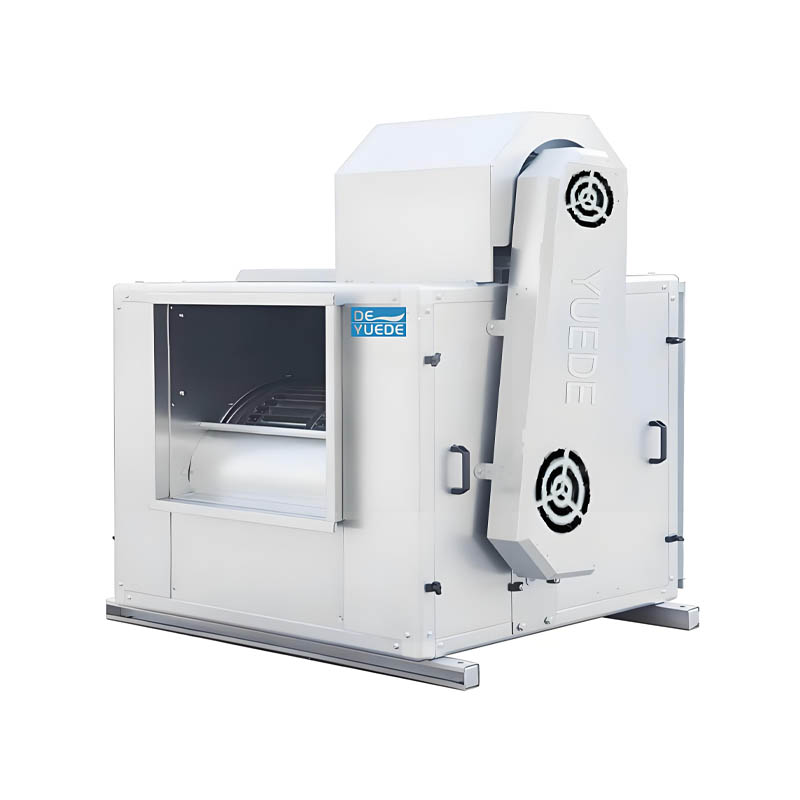
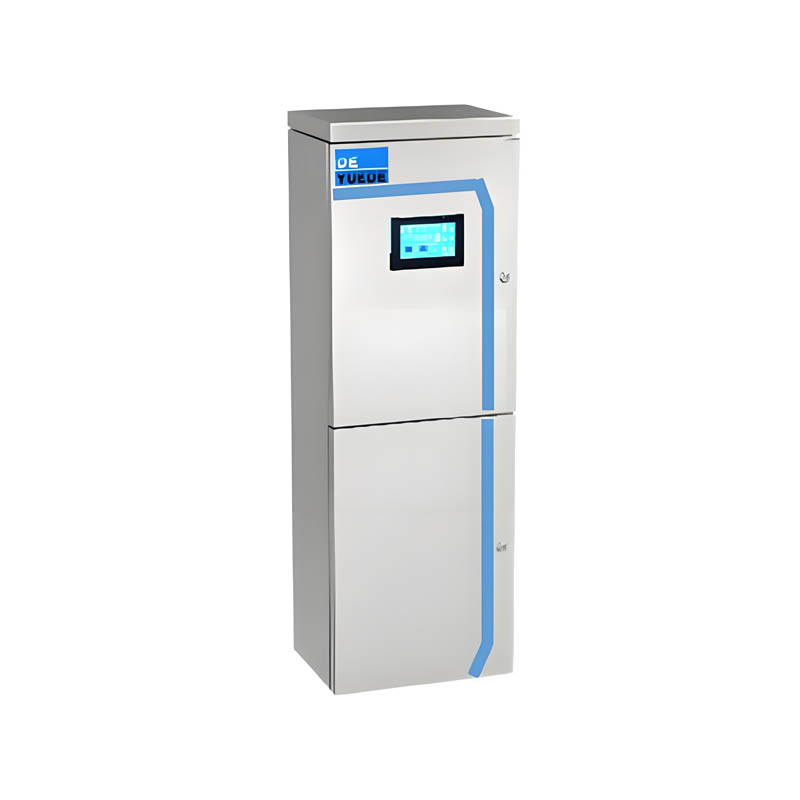
Zhejiang Yuede Environmental Protection Technology Co., Ltd. is located at 505 Lanshang Road, Xinwan Street, Qiantang District, Hangzhou City. China Commercial Kitchen Self Cleaning System Manufacturers and Commercial Kitchen Self Cleaning System Factory.
The company is mainly engaged in the research, development, production, and sales of oil fume purification and exhaust equipment, and is one of the few manufacturers in the industry with the ability to develop electronic software systems and design sheet metal structures.
The products specifically include oil fume purifiers, oil fume purification all-in-one machines, intelligent cleaning all-in-one machines, fans, fresh air cooling fans, and intelligent smoke exhaust systems.
Since 2020, the company has accumulated 2 invention patents and 31 utility model patents. Among them, the practical patent - the splicing technology of all-in-one machines has been adopted by more than 80% of peers; The patents related to intelligent cleaning and intelligent smoke exhaust systems are breakthrough or leading technologies in the industry. Traditional product companies such as oil fume purifiers and fans have optimized their structure and process to achieve better results and higher grades.
Commercial Kitchen Self Cleaning System Manufacturer
-- Steady & Reliable Manufacturer --
Introduction
A commercial kitchen self-cleaning system is a complete, integrated solution that automates the removal of cooking grease, carbon deposits, and contaminants from exhaust hoods, grease filters, and associated ventilation components — without manual disassembly or cleaning by kitchen staff. In a commercial kitchen environment where grease accumulation happens every day and fire safety, hygiene compliance, and ventilation performance are non-negotiable, a self-cleaning system shifts maintenance from a reactive, staff-dependent task to a reliable, scheduled, automated function.
Zhejiang Yuede's commercial kitchen self-cleaning systems are designed around a proprietary multi-stage cleaning protocol: the system first heats water to activate the degreasing process, then applies alkaline cleaning solution under pressure to all grease-contact surfaces inside the hood assembly, followed by a pressurized hot water rinse and gravity drain. The process is fully controlled by Yuede's intelligent cleaning controller, which logs each cleaning cycle and can be integrated with kitchen management systems or building automation for centralized monitoring and reporting.
Products & Solutions
Recommend product
Specification
| Parameter | Detail |
|---|---|
| System Type | Integrated hood + self-cleaning module; or retrofit cleaning module for existing hoods |
| Cleaning Stages | 4-stage: Pre-heat → Detergent application → High-pressure rinse → Drain & dry |
| Hood Coverage | Single hood up to 6,000 mm; multi-hood systems with centralized cleaning unit |
| Cleaning Pressure | 0.2–0.4 MPa (adjustable) |
| Water Temperature | 60–85°C (thermostatic control) |
| Control Interface | 7-inch touchscreen controller; cycle log; alarm output; BMS/BAS integration port |
| Cleaning Trigger | Timer-based / manual / remote signal / cooking equipment interlock |
| Detergent System | Manual refill tank (standard) or auto-dosing pump (optional) |
| Grease Drainage | Auto-drain to grease interceptor; stainless collection trough |
| Power Supply | 380V/3-phase or 220V/single-phase (model-dependent) |
| Material (wetted parts) | 304 stainless steel throughout |
| Certification | CE; GB 18483; ISO 9001 manufacturer |
* Multi-hood centralized cleaning systems available for large kitchens with multiple exhaust zones. Custom integration with fire suppression systems and kitchen management software available.
Application
- Chain Restaurant Groups: Multi-location restaurant chains benefit most from self-cleaning systems because they standardize the cleaning process across all sites, eliminate the variability of individual kitchen staff performing manual cleaning, and provide centralized performance data through connected controllers.
- Airport Terminal Food Service: Airport kitchens operate extended hours and are subject to strict fire safety oversight. Self-cleaning systems ensure grease management compliance without disrupting operations during busy periods, running overnight cleaning cycles automatically.
- Hospital & Healthcare Catering: Healthcare kitchen facilities face rigorous hygiene inspection and cannot afford the health risk associated with grease-contaminated exhaust hoods. Self-cleaning systems provide the audit trail (cycle logs) that facility managers need for compliance documentation.
- University & Campus Cafeterias: Large institutional cafeterias serving thousands of meals per day accumulate heavy grease loads. Automated cleaning prevents the buildup that leads to odor complaints, reduced airflow, and fire risk in high-volume cooking environments.
- Cloud Kitchens & Delivery-Only Operations: Operations without dedicated cleaning staff particularly benefit from self-cleaning systems, as there is no reliable manual cleaning backup if the system is not automated.
- Q: Can the self-cleaning system run while the kitchen is in operation?
- A: Self-cleaning cycles should generally be run when cooking equipment is off — the cleaning process uses water and detergent inside the hood, which is not compatible with active cooking below. Most operators schedule the cleaning cycle to run after the last cooking session of the day, typically late at night. The cycle duration is 15–45 minutes, so it completes well before the next kitchen opening time.
- Q: How does the self-cleaning system compare to professional manual cleaning services?
- A: Professional manual cleaning services typically visit a kitchen quarterly or annually to perform a thorough deep clean. Between visits, grease accumulates daily. Self-cleaning systems clean after every cooking session (or daily), maintaining consistently low grease levels that professional services only restore temporarily. Self-cleaning systems do not fully replace periodic professional deep cleaning of ductwork and fans, but they dramatically extend the intervals between required professional visits.
- Q: What maintenance does the self-cleaning system itself require?
- A: The main maintenance items are: refilling the detergent tank (monthly for most operations), inspecting spray nozzles for blockage (quarterly), and checking the drain line for grease trap backup (monthly). The Yuede controller alerts the operator when detergent is low or a cycle fails to complete. Annual service by a qualified technician is recommended to check pump pressure, heating element performance, and nozzle condition.
- Q: Is the system compatible with existing kitchen exhaust ductwork?
- A: In most cases, yes. The self-cleaning hood connects to existing duct collars in standard sizes. The main additional requirements are a cold water supply (typically 1/2 inch BSP), a drain connection to the grease interceptor, and an electrical supply for the cleaning module. Yuede's installation team or local installer can confirm compatibility with your existing duct layout during a site survey.
About Us
Zhejiang Yuede Environmental Protection Technology Co., Ltd.

Message Feedback
