
 English
 عربى
عربى
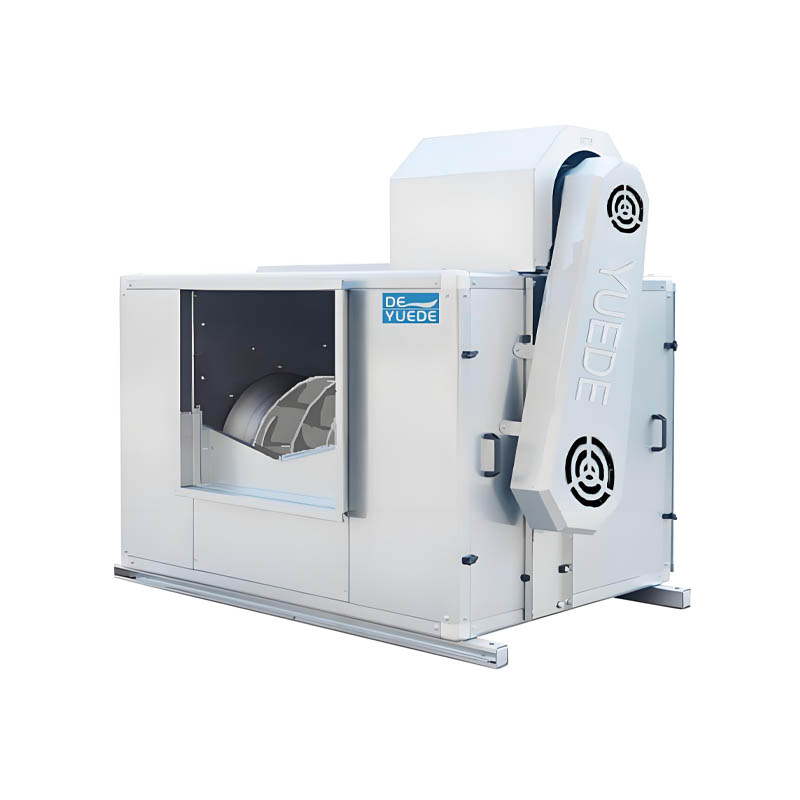
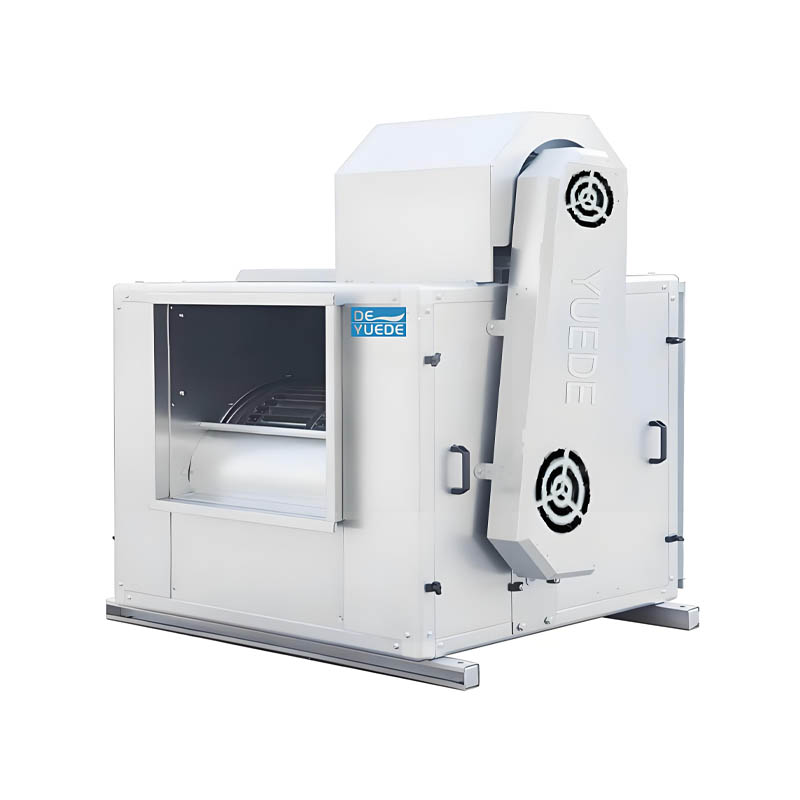
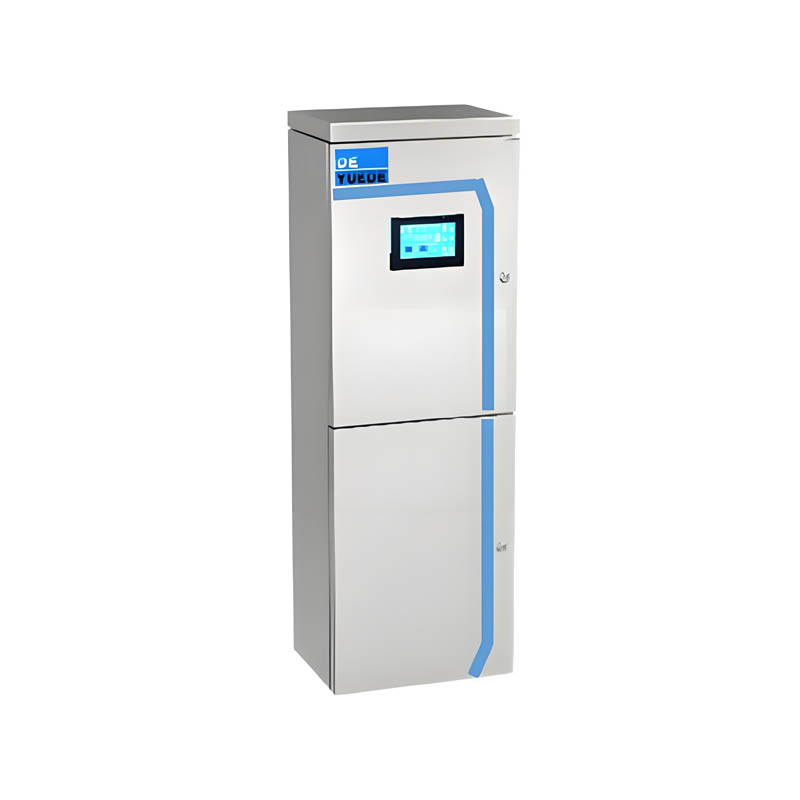
Zhejiang Yuede Environmental Protection Technology Co., Ltd. is located at 505 Lanshang Road, Xinwan Street, Qiantang District, Hangzhou City. China Energy Saving Kitchen Ventilation Manufacturers and Energy Saving Kitchen Ventilation Factory.
The company is mainly engaged in the research, development, production, and sales of oil fume purification and exhaust equipment, and is one of the few manufacturers in the industry with the ability to develop electronic software systems and design sheet metal structures.
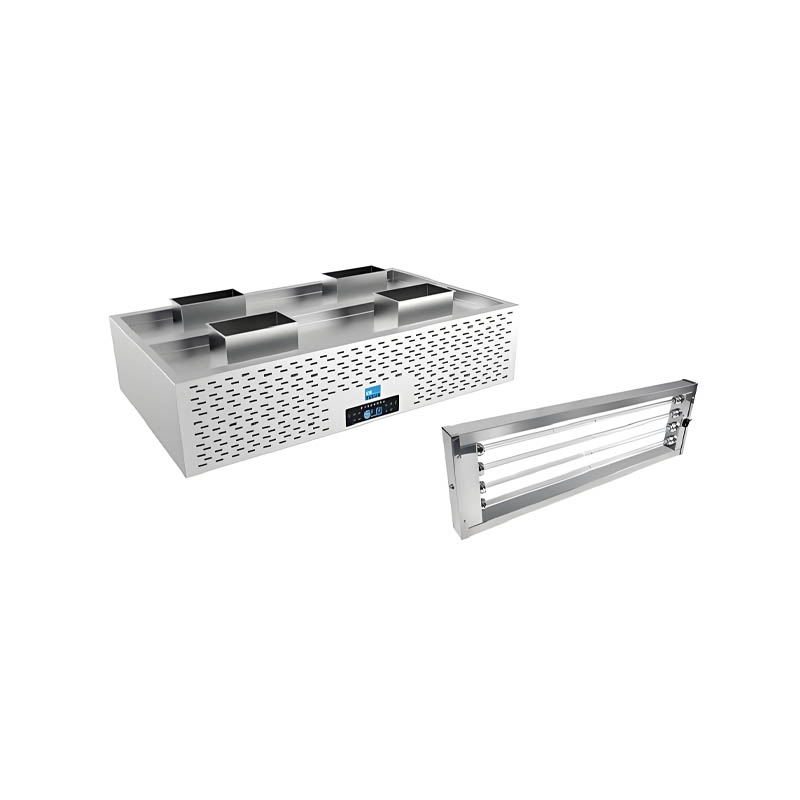
The products specifically include oil fume purifiers, oil fume purification all-in-one machines, intelligent cleaning all-in-one machines, fans, fresh air cooling fans, and intelligent smoke exhaust systems.
Since 2020, the company has accumulated 2 invention patents and 31 utility model patents. Among them, the practical patent - the splicing technology of all-in-one machines has been adopted by more than 80% of peers; The patents related to intelligent cleaning and intelligent smoke exhaust systems are breakthrough or leading technologies in the industry. Traditional product companies such as oil fume purifiers and fans have optimized their structure and process to achieve better results and higher grades.
Energy Saving Kitchen Ventilation Manufacturer
-- Steady & Reliable Manufacturer --
Introduction
Energy saving kitchen ventilation refers to the design approach, equipment selection, and control strategies that minimize the energy consumed by commercial kitchen exhaust and supply air systems while maintaining the ventilation performance required for safe and compliant kitchen operation. Kitchen ventilation is among the highest energy consumers in a commercial food service facility — exhaust fans, make-up air units, and associated HVAC equipment can account for 20–40% of a restaurant's total electricity and gas consumption. Reducing this consumption without compromising air quality, comfort, or regulatory compliance is one of the most impactful energy management opportunities available to food service operators.
Yuede's energy saving kitchen ventilation offering addresses multiple sources of kitchen ventilation energy waste: fan energy through demand-controlled variable speed operation (DCKV), make-up air energy through reduced exhaust volume during low-load periods, and purification energy through low-pressure-drop ESP designs that minimize the fan energy required to overcome purification system resistance. Together, these measures can reduce kitchen ventilation energy consumption by 30–60% compared to conventional fixed-speed systems with high-resistance mechanical filtration.
Products & Solutions
Recommend product
Specification
| Energy Saving Measure | Technology | Typical Saving | Yuede Product |
|---|---|---|---|
| Variable fan speed | VFD + DCKV sensors | 30–60% fan energy | Intelligent Smoke Extraction System |
| Low-resistance purification | ESP (low ΔP vs. mechanical filter) | 5–15% fan energy | YD-ESP series |
| Reduced make-up air | DCKV reduced exhaust = reduced supply | 20–40% MAU energy | DCKV system (supply fan VFD) |
| Short-circuit supply air | Hood-integrated supply air plenum | 10–20% effective exhaust reduction | Integrated supply air hood |
| LED hood lighting | IP65 LED strip (vs. fluorescent) | 60–80% lighting energy | Standard in Yuede hoods |
| Auto-standby | Fan auto-off timer after cooking end | Configurable | Yuede controller standard |
| Energy metering | kWh sub-meter on VFD / fan circuit | N/A (measurement) | VFD integral meter |
* Energy saving potential is site-specific and depends on kitchen operating hours, cooking profile, and local energy tariff. Yuede can prepare an energy saving estimate based on your kitchen's installed fan power and operating schedule.
Application
- New Kitchen Fit-Outs with Sustainability Goals: Specifying energy saving kitchen ventilation from the outset of a new kitchen project is far more cost-effective than retrofitting energy saving measures later. Yuede works with MEP consultants on new projects to integrate DCKV, low-ΔP purification, and short-circuit supply air from the initial design — maximizing energy performance within the building's HVAC design constraints.
- Restaurants Facing Rising Energy Costs: In markets where electricity prices have increased significantly, the financial case for energy saving kitchen ventilation has strengthened. A 40% reduction in kitchen ventilation fan energy in a market with high electricity tariffs can represent tens of thousands of dollars per year in savings for a large kitchen operation.
- Green Building Certification Projects: LEED, BREEAM, and regional green building schemes award credits for energy-efficient kitchen ventilation, including DCKV. Yuede's energy saving kitchen ventilation system provides both the technology and the energy metering evidence needed to claim these credits in certification submissions.
- Corporate Sustainability Programs: Large food service operators and corporate campus catering operators with publicly stated carbon reduction targets find kitchen ventilation energy reduction one of the most impactful and measurable interventions available — directly contributing to Scope 2 emission reductions from building energy consumption.
- Utility Incentive Program Eligibility: Many utility companies offer rebates or incentive payments for the installation of VFDs, DCKV systems, and other energy-saving measures in commercial kitchens. Yuede's system can support utility rebate applications with technical specifications and metered energy savings data.
- Q: How much energy can energy saving kitchen ventilation realistically save?
- A: Real-world savings from a full DCKV implementation in a commercial kitchen typically range from 30% to 60% of baseline fan energy consumption, depending on the kitchen's cooking profile and operating hours. Kitchens with long operating hours but intermittent cooking activity save more. Kitchens running continuous maximum-load cooking save less. Yuede can prepare a site-specific energy saving estimate based on your kitchen's equipment list, operating hours, and VFD-metered baseline data if available.
- Q: Does energy saving kitchen ventilation meet local building energy codes?
- A: In many jurisdictions, DCKV is now mandatory for commercial kitchens above a certain size — notably ASHRAE 90.1 in the USA and GB 50736 in China. Yuede's energy saving kitchen ventilation system is designed to comply with these mandatory requirements. For markets where DCKV is not yet mandatory, Yuede's system exceeds the voluntary best practice guidelines of CIBSE Guide F (UK), AIRAH DA19 (Australia), and equivalent international references.
- Q: Can I retrofit energy saving ventilation to my existing kitchen without replacing the hood and ductwork?
- A: Yes, in most cases. The primary retrofit additions are VFDs on existing fans, sensors in existing ductwork or hoods, and zone dampers in accessible duct positions. The Yuede intelligent controller replaces or supplements the existing fan control panel. Wireless sensor options eliminate the need for new sensor cabling. The main constraint is whether existing fans have motors compatible with VFD control (most standard induction motors are) and whether the duct layout allows zone damper installation at appropriate positions.
- Q: Are there any energy efficiency grants or incentives for kitchen ventilation in my country?
- A: Many utility companies and government programs offer incentives for commercial energy efficiency measures including VFDs, DCKV, and high-efficiency equipment. Specific programs vary by country and region. Yuede recommends consulting with your local utility company and checking your national or regional energy efficiency agency's website for current applicable programs. Yuede can provide product specifications and estimated energy savings data to support grant or incentive applications.
About Us
Zhejiang Yuede Environmental Protection Technology Co., Ltd.

Message Feedback
