
 English
 عربى
عربى
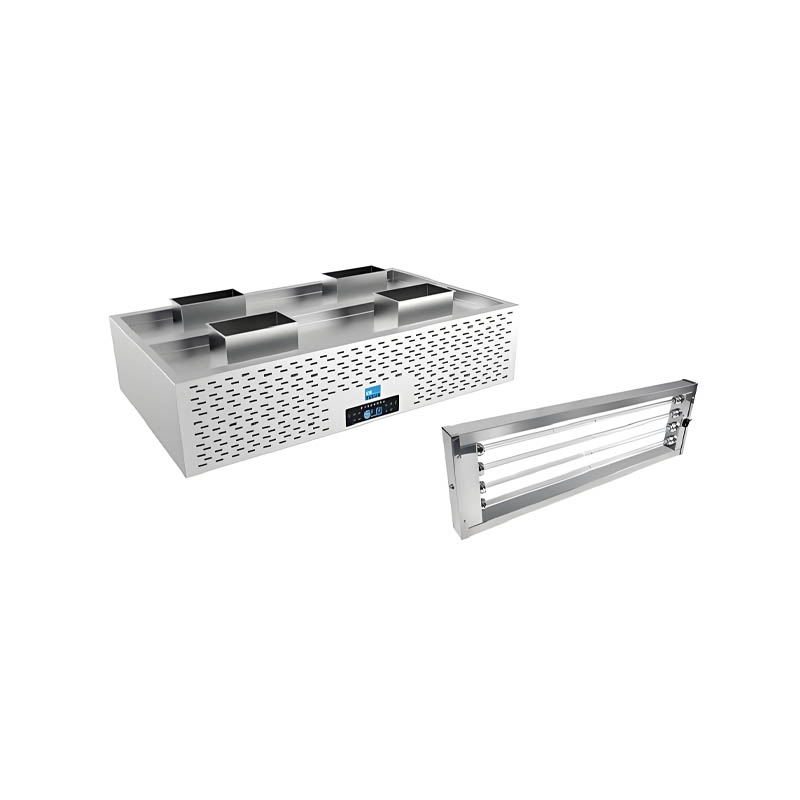
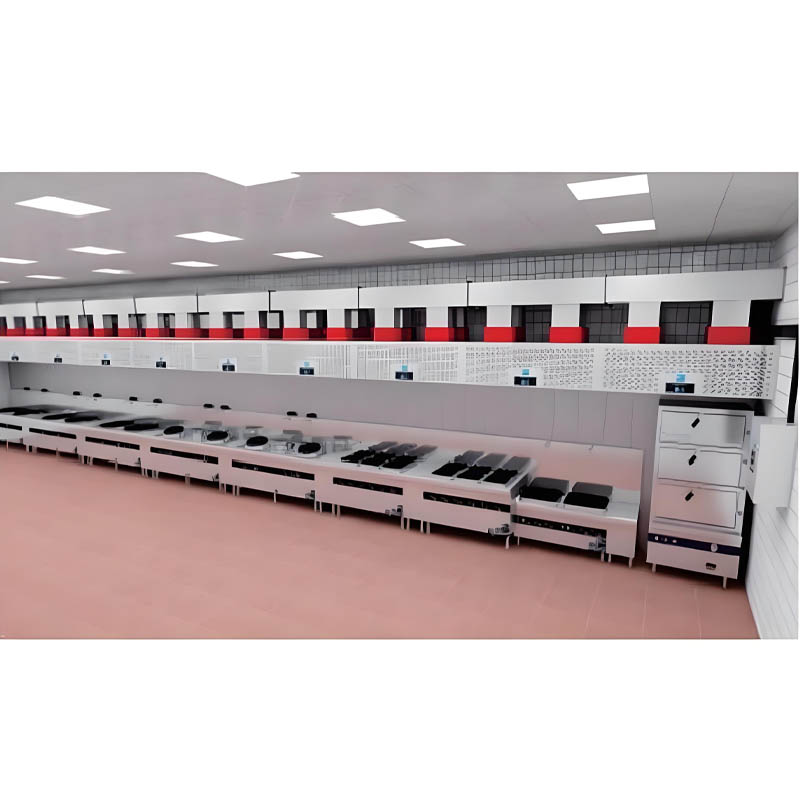
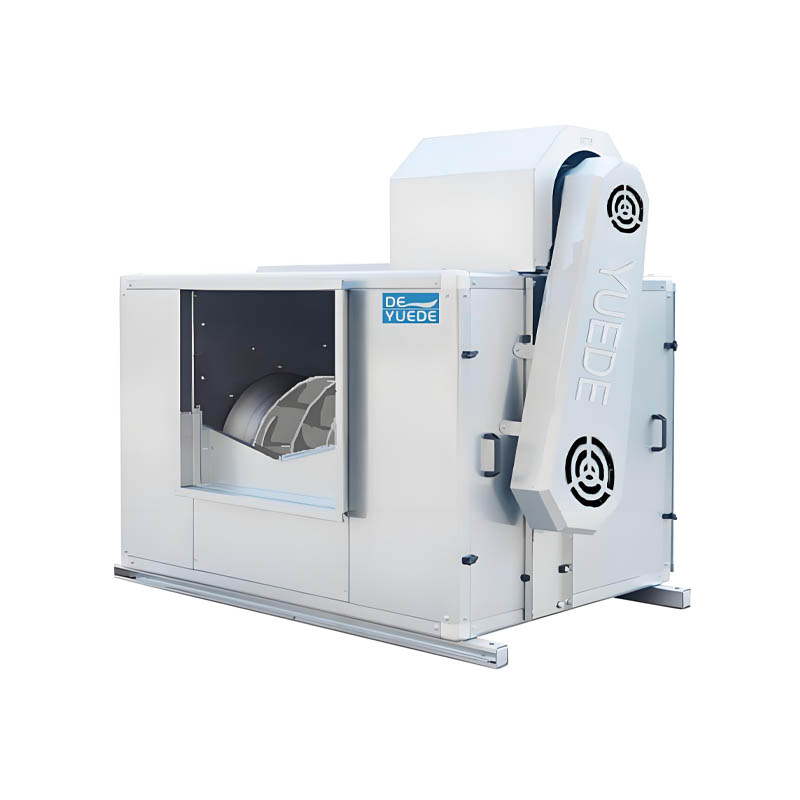
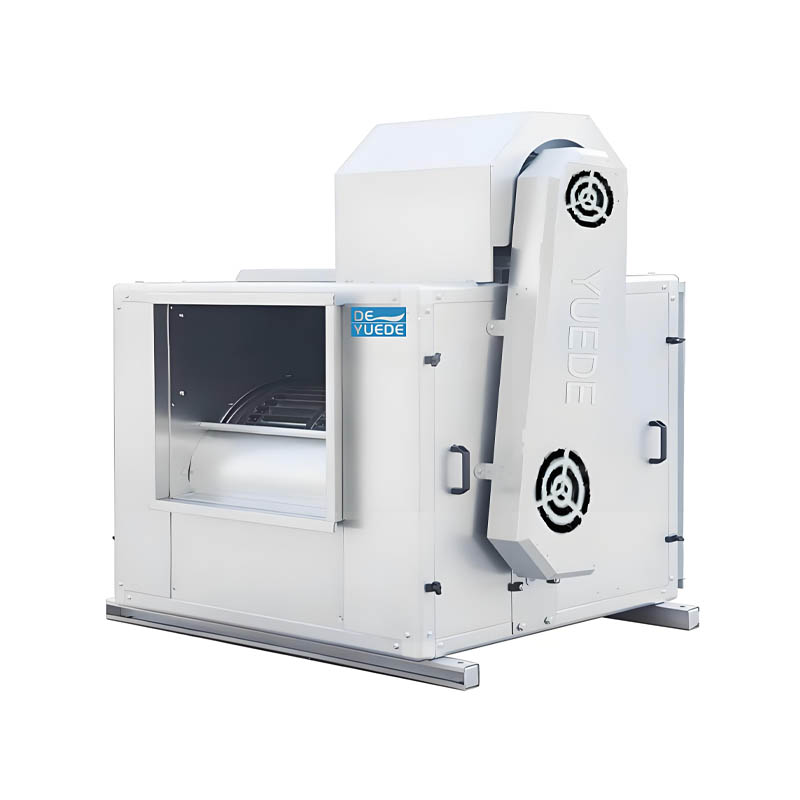
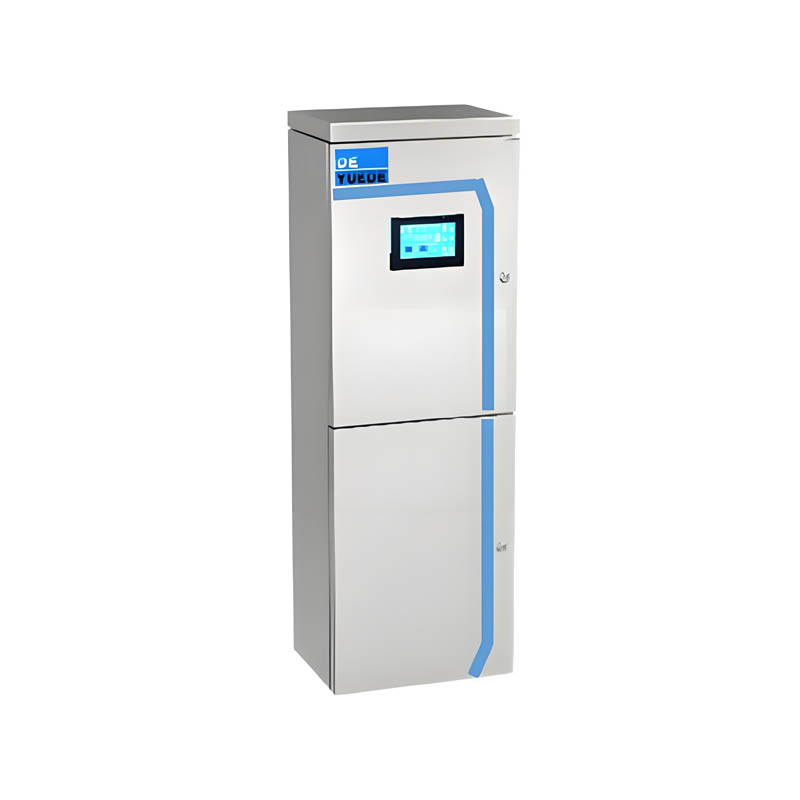
Zhejiang Yuede Environmental Protection Technology Co., Ltd. is located at 505 Lanshang Road, Xinwan Street, Qiantang District, Hangzhou City. China Energy Saving Kitchen Exhaust System Manufacturers and Energy Saving Kitchen Exhaust System Factory.
The company is mainly engaged in the research, development, production, and sales of oil fume purification and exhaust equipment, and is one of the few manufacturers in the industry with the ability to develop electronic software systems and design sheet metal structures.
The products specifically include oil fume purifiers, oil fume purification all-in-one machines, intelligent cleaning all-in-one machines, fans, fresh air cooling fans, and intelligent smoke exhaust systems.
Since 2020, the company has accumulated 2 invention patents and 31 utility model patents. Among them, the practical patent - the splicing technology of all-in-one machines has been adopted by more than 80% of peers; The patents related to intelligent cleaning and intelligent smoke exhaust systems are breakthrough or leading technologies in the industry. Traditional product companies such as oil fume purifiers and fans have optimized their structure and process to achieve better results and higher grades.
Energy Saving Kitchen Exhaust System Manufacturer
-- Steady & Reliable Manufacturer --
Introduction
An energy saving kitchen exhaust system is a comprehensively designed commercial kitchen ventilation solution where every component — from exhaust hood to discharge fan — is selected, sized, and controlled to minimize energy consumption while maintaining full ventilation performance and regulatory compliance. Unlike a standard kitchen exhaust system assembled from components specified independently for maximum airflow capacity, an energy saving system applies demand-controlled variable speed fans, low-resistance purification technology, supply air recovery, and efficient motor and fan technology in a coordinated design that reduces total system energy use by 30–60% compared to conventional fixed-speed alternatives.
Yuede's energy saving kitchen exhaust system integrates the full range of Yuede's technology advantages: the Intelligent Smoke Extraction System (DCKV control), low-pressure-drop ESP purification, automatic cleaning hoods (reducing energy waste from grease-fouled fans and filters), backward-curved high-efficiency fans with IE3/IE4 motors, and an intelligent control system with energy metering and reporting. The result is a kitchen exhaust system that not only meets ventilation and emission compliance requirements but actively manages energy consumption as a monitored, reported operational metric.
Products & Solutions
Recommend product
Specification
| Component | Energy Saving Feature | Typical Saving vs. Baseline |
|---|---|---|
| Exhaust fan | Backward-curved; IE3/IE4 motor; VFD speed control | 30–60% fan energy (DCKV) |
| Supply fan | IE3 motor; VFD matched to exhaust VFD | 30–60% MAU fan energy |
| Purification | ESP low ΔP (40–80 Pa vs. 150–250 Pa mechanical filter) | 5–15% fan energy (ΔP reduction) |
| Hood | Auto-clean (maintains clean baffle filter = lower ΔP) | 3–8% fan energy long-term |
| Lighting | IE65 LED strip in hood (vs. fluorescent) | 60–80% hood lighting energy |
| Standby control | Auto fan-off after last cooking session timer | Site-specific (prevent running overnight) |
| DCKV sensors | Temperature + opacity demand sensing | Component of 30–60% fan saving |
| Energy metering | VFD integral kWh meter; daily/monthly reporting | Measurement (enables further optimization) |
| Make-up air reduction | DCKV reduced exhaust = reduced MAU volume = MAU HVAC saving | 20–40% MAU HVAC energy |
* Total system energy saving is site-specific. Yuede provides an energy saving estimate based on installed fan power, operating hours, and cooking profile. Verified energy savings from sub-metering available post-commissioning.
Application
- New Kitchen Projects with Green Building Requirements: New commercial kitchens in projects targeting LEED, BREEAM, or local green building certifications benefit from specifying a complete energy saving kitchen exhaust system from the outset — contributing to energy efficiency credits and providing the metered performance data certification schemes require.
- Hotel Kitchen Renovations: Hotel kitchen renovations provide an opportunity to replace aging fixed-speed ventilation systems with energy saving systems that reduce both energy cost and carbon footprint — often partially funded by energy savings or hotel sustainability capital programs.
- Institutional Catering Facilities with Energy Reduction Mandates: Universities, hospitals, and government facilities facing mandatory energy reduction targets find kitchen ventilation energy saving one of the most accessible and measurable contributions to institutional energy efficiency programs — with Yuede's metered energy reporting providing the verified data needed for institutional reporting.
- Chain Restaurant Energy Management Programs: Restaurant chains implementing system-wide energy management programs benefit from a standardized energy saving kitchen exhaust system design that is replicated across all sites — providing comparable baseline and post-installation energy data from all locations for chain-wide energy benchmarking and cost management.
- Kitchens Facing Rising Energy Costs: In markets where commercial electricity prices have increased substantially, the financial case for energy saving kitchen exhaust systems has strengthened significantly. Even operations that previously considered energy saving systems marginal may find them highly cost-effective at current energy prices.
- Q: What is the typical total energy saving of a Yuede energy saving kitchen exhaust system compared to a conventional fixed-speed system?
- A: Based on typical commercial kitchen operating profiles, a complete Yuede energy saving kitchen exhaust system typically reduces total kitchen ventilation energy by 35–55% compared to a conventional fixed-speed system with mechanical filtration. The largest saving component is fan energy from DCKV speed control (30–60% of fan energy). Secondary savings come from reduced MAU HVAC energy (20–40% of MAU energy) and lower purification pressure drop (5–15% of fan energy). Actual savings are kitchen-specific — Yuede provides a project-specific energy estimate during the quotation process.
- Q: How long does it take to get a return on investment from an energy saving kitchen exhaust system?
- A: The payback period depends on the premium cost of the energy saving system versus a conventional system, the local electricity tariff, and the actual measured energy savings. For large hotel or institutional kitchens with installed fan power of 30–100 kW, payback periods of 2–4 years from energy savings alone are typical at European or Australian electricity tariffs. At lower electricity tariffs (some parts of Asia or North America), payback periods of 4–7 years are more common. Additional value from green building credits, utility incentives, and reduced maintenance costs (from automatic cleaning and lower fan wear) shortens the effective payback period.
- Q: Can an energy saving kitchen exhaust system qualify for utility company rebates?
- A: In many utility territories, VFDs, DCKV systems, and IE3/IE4 high-efficiency motors are eligible for commercial energy efficiency rebates. The specific programs available and rebate amounts vary by utility and region. Yuede can provide the technical specifications, estimated kWh savings calculations, and metering output data needed to support utility rebate applications. We recommend checking with your local utility company's commercial energy efficiency program before final system specification to ensure you capture available incentives.
- Q: Does an energy saving kitchen exhaust system require more maintenance than a conventional system?
- A: An energy saving system has more components than a fixed-speed system — VFDs, sensors, zone dampers, and automatic cleaning modules in addition to conventional fan and hood components. However, the maintenance burden per component is low, and the automatic cleaning system actually reduces the maintenance burden on kitchen staff compared to manual cleaning regimes. Total annual maintenance hours are typically comparable to or less than a conventional system maintained correctly. The key is that the additional components (VFDs, sensors) should be included in a structured preventive maintenance program — Yuede provides a comprehensive maintenance schedule with every system installation.
About Us
Zhejiang Yuede Environmental Protection Technology Co., Ltd.

Message Feedback
