
 English
 عربى
عربى
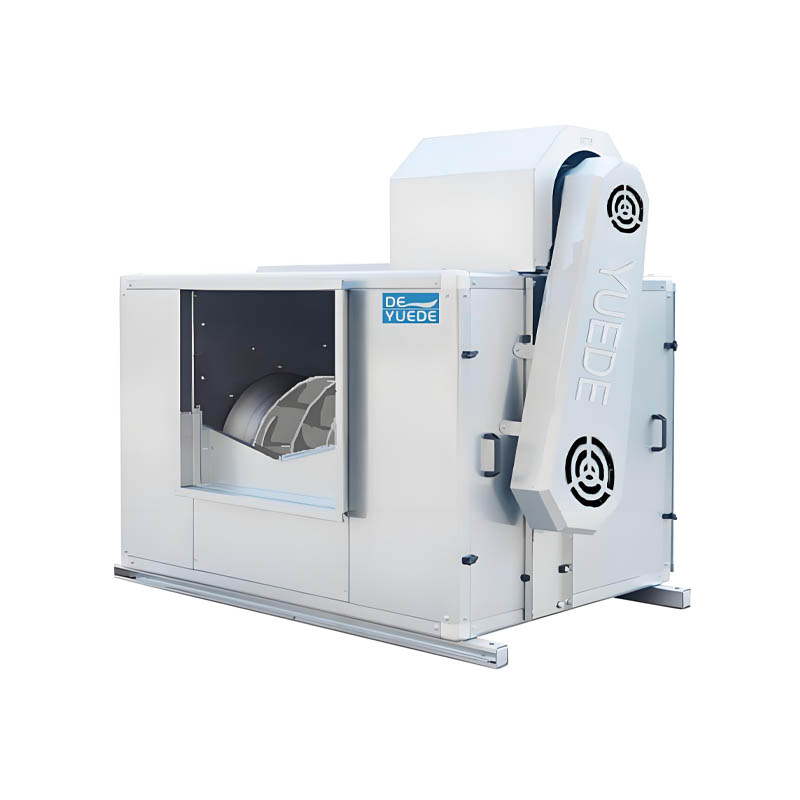
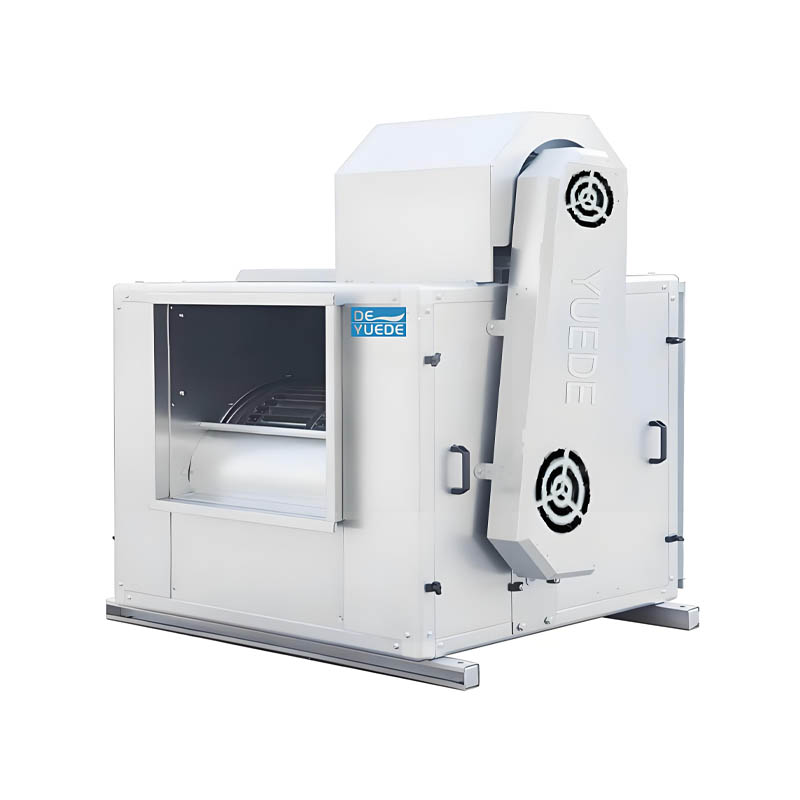
Zhejiang Yuede Environmental Protection Technology Co., Ltd. is located at 505 Lanshang Road, Xinwan Street, Qiantang District, Hangzhou City. China Variable Air Volume Kitchen Exhaust Manufacturers and Variable Air Volume Kitchen Exhaust Factory.
The company is mainly engaged in the research, development, production, and sales of oil fume purification and exhaust equipment, and is one of the few manufacturers in the industry with the ability to develop electronic software systems and design sheet metal structures.
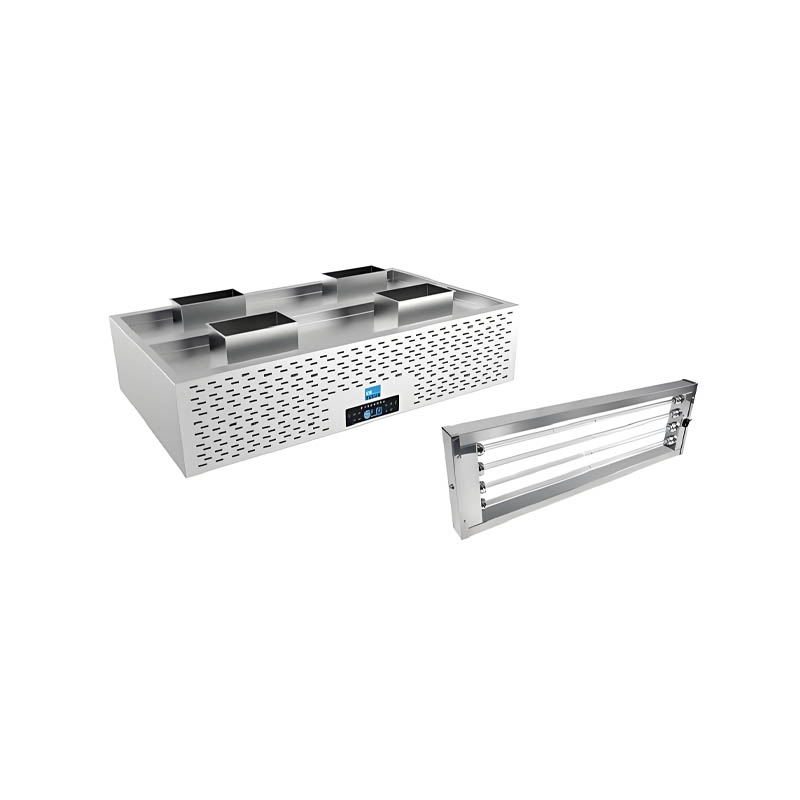
The products specifically include oil fume purifiers, oil fume purification all-in-one machines, intelligent cleaning all-in-one machines, fans, fresh air cooling fans, and intelligent smoke exhaust systems.
Since 2020, the company has accumulated 2 invention patents and 31 utility model patents. Among them, the practical patent - the splicing technology of all-in-one machines has been adopted by more than 80% of peers; The patents related to intelligent cleaning and intelligent smoke exhaust systems are breakthrough or leading technologies in the industry. Traditional product companies such as oil fume purifiers and fans have optimized their structure and process to achieve better results and higher grades.
Variable Air Volume Kitchen Exhaust Manufacturer
-- Steady & Reliable Manufacturer --
Introduction
Variable air volume (VAV) kitchen exhaust is the mechanical engineering implementation of demand-controlled kitchen ventilation — the equipment-level description of a kitchen exhaust system in which the exhaust airflow rate varies dynamically in response to cooking activity rather than being fixed at a constant design maximum. While the term "DCKV" describes the control strategy, "variable air volume kitchen exhaust" describes the system's mechanical and control configuration: variable frequency drives on exhaust (and supply) fans, zone control dampers with modulating actuators, and the sensor and control infrastructure that drives the airflow variation.
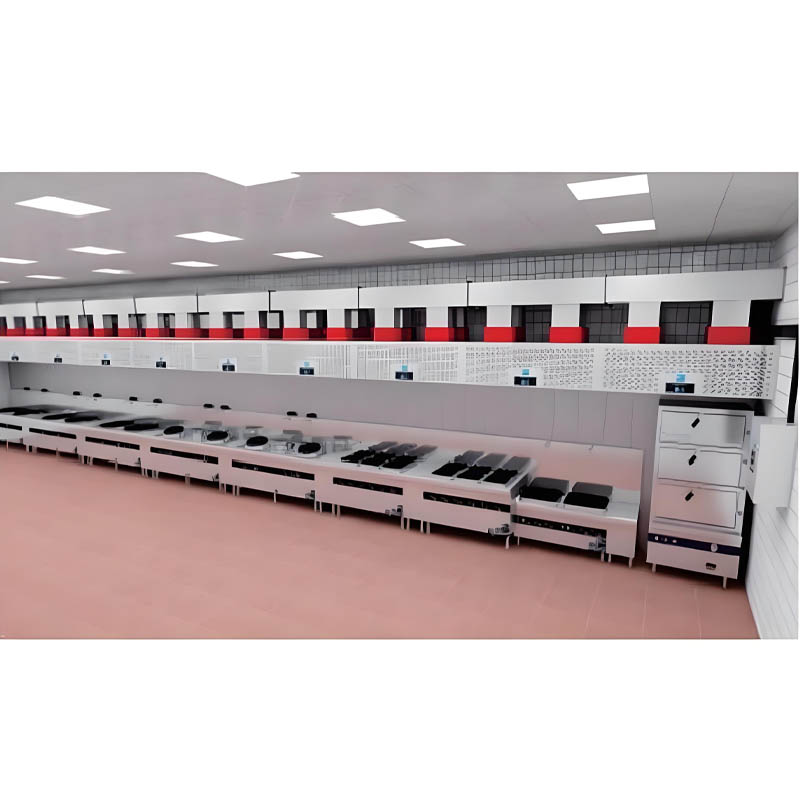
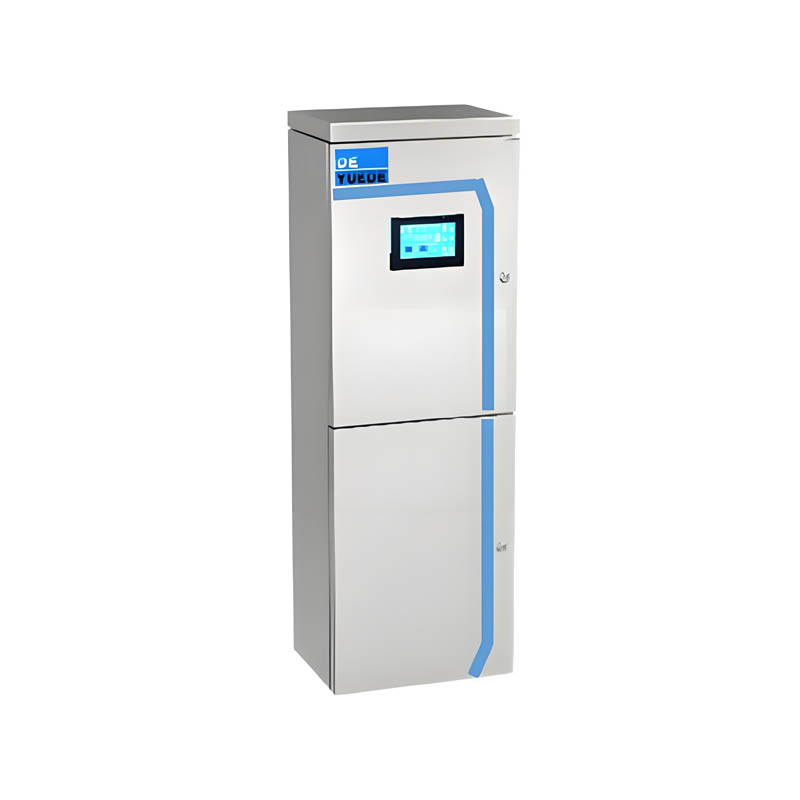
Yuede's variable air volume kitchen exhaust system — marketed as the Intelligent Smoke Extraction System — implements VAV kitchen exhaust using proprietary sensor technology and an in-house developed intelligent control unit. The system is available in wired and wireless configurations, covers single-zone to complex multi-zone kitchen layouts, and integrates with building management systems via standard protocols. Commissioning includes flow measurement and balancing to confirm that minimum and maximum airflow rates at each zone match the design specification — ensuring the system delivers the energy savings calculated at design stage with the capture performance required by local ventilation codes.
Products & Solutions
Recommend product
Specification
| Parameter | Detail |
|---|---|
| System Type | Variable air volume (VAV) with demand-based control |
| Exhaust Fan Type | Backward-curved centrifugal fan with IE3/IE4 motor; matched for VFD operation |
| VFD Specification | IP54 VFD; 0.75–55 kW; integrated kWh meter; harmonic filter option |
| Airflow Turndown Ratio | 3:1 to 5:1 (30–20% minimum / 100% maximum) |
| Zone Dampers | Low-leakage motorized dampers; 0–10V modulating actuator; position feedback |
| Flow Measurement | Pitot array airflow station in duct (optional); or VFD speed + characteristic curve |
| Sensor Network | Temperature + opacity per zone; wired RS-485 or wireless 2.4 GHz mesh |
| Controller | Yuede ICU; 7-inch touchscreen; setpoint adjustment; trend logging; alarm management |
| Response Time | <30 s from sensor trigger to target fan speed |
| BMS Protocol | Modbus RTU/TCP; BACnet MS/TP (on request); analog I/O |
| Applicable Standards | EN 16282; ASHRAE 90.1; GB 50736; CIBSE Guide F |
| Certification | CE; VFD CE/UL; Yuede intelligent control patents |
* Commissioning protocol includes duct traverse airflow measurements at minimum and maximum setpoints for each zone. Commissioning report provided as a formal handover document. Yuede's engineer can attend site commissioning for major projects.
Application
- Mechanical & Electrical Engineering Specification Projects: MEP consultants specifying kitchen ventilation for large commercial projects typically specify variable air volume kitchen exhaust as the design approach, with DCKV sensors and controls, VFDs, and zone dampers as the implementation. Yuede's complete system provides a single-source quotation for all these elements to the design specification.
- High-Rise Building Kitchens with Long Duct Runs: In high-rise buildings where kitchen exhaust ductwork runs vertically for many floors before discharge, the duct static pressure is high. Variable air volume operation allows the fan speed (and therefore duct pressure) to vary with cooking load — reducing duct noise and vibration during low-load periods, which is particularly noticeable in high-rise residential or mixed-use buildings.
- Kitchens with Diverse Cooking Equipment Mix: Kitchens combining high-grease fryers and grills with low-load steamers and bain-maries benefit from zone-by-zone VAV control — high-grease zones maintain higher minimum airflow while low-grease zones reduce to a lower minimum, optimizing energy use across the full cooking equipment range.
- Commercial Kitchen Expansions: When an existing kitchen expands its cooking capacity, the additional cooking load may exceed the existing fixed-speed exhaust system's capacity during peak periods. Upgrading to variable air volume allows the system to reach higher peak airflows during full cooking while still saving energy during partial-load periods — achieving both expansion capacity and energy efficiency in the same upgrade.
- Catering Operations with Variable Occupancy Schedules: University dining halls with significantly different meal period volumes (e.g., 200 students at breakfast vs. 1,200 at lunch) can use variable air volume kitchen exhaust to scale ventilation to the actual cooking load at each service — dramatically reducing energy consumption during low-occupancy periods.
- Q: What is the minimum airflow setpoint for a variable air volume kitchen exhaust system?
- A: The minimum airflow setpoint must be sufficient to maintain safe kitchen air quality (CO levels, thermal comfort) and adequate capture velocity at the hood face during the lowest anticipated cooking activity. ASHRAE 90.1 specifies a minimum of 50% of design exhaust airflow when cooking is detected. When no cooking is detected, some systems can reduce to as low as 20–30% of design. Yuede's system default minimum is typically 30–40%, with field adjustment available based on the specific kitchen's needs and local code requirements.
- Q: How is the maximum airflow of a VAV kitchen exhaust system determined?
- A: Maximum airflow is determined by conventional kitchen ventilation design — calculating the required exhaust rate to capture all cooking effluent from all cooking equipment at simultaneous full capacity, per EN 16282 or equivalent design standard. This maximum flow forms the 100% point of the VAV range. The energy savings from VAV are realized during the periods (which are typically the majority of operating hours) when not all equipment is operating simultaneously at full load.
- Q: Can a variable air volume kitchen exhaust system serve multiple separate kitchen areas?
- A: Yes. Multi-zone VAV systems serve multiple kitchen areas from a common exhaust fan through a duct network with zone dampers at each kitchen area branch. Each zone has its own sensors and damper, independently modulating its airflow contribution to the total exhaust. The exhaust fan VFD responds to the aggregate demand from all zones — increasing speed when multiple zones are active simultaneously and reducing speed when zones are idle. Yuede's multi-zone VAV system design includes duct static pressure control to maintain adequate pressure for all zones at all combinations of zone activity.
- Q: Does variable air volume affect the kitchen exhaust duct fire protection system?
- A: The kitchen exhaust duct fire protection system (fire suppression, spark arresters, and fire dampers) must be designed for the maximum design airflow of the system, regardless of normal VAV operation. In fire mode, the Yuede VAV system overrides normal control and drives fans to 100% maximum airflow — ensuring maximum smoke extraction performance consistent with fire safety requirements. All fire protection interfaces (fire alarm interlock, fire damper control) are maintained at full design capacity regardless of the VAV operating state during normal cooking operations.
About Us
Zhejiang Yuede Environmental Protection Technology Co., Ltd.

Message Feedback
