
 English
 عربى
عربى
Zhejiang Yuede Environmental Protection Technology Co., Ltd. is located at 505 Lanshang Road, Xinwan Street, Qiantang District, Hangzhou City. China DCKV System Manufacturers and DCKV System Factory.
The company is mainly engaged in the research, development, production, and sales of oil fume purification and exhaust equipment, and is one of the few manufacturers in the industry with the ability to develop electronic software systems and design sheet metal structures.
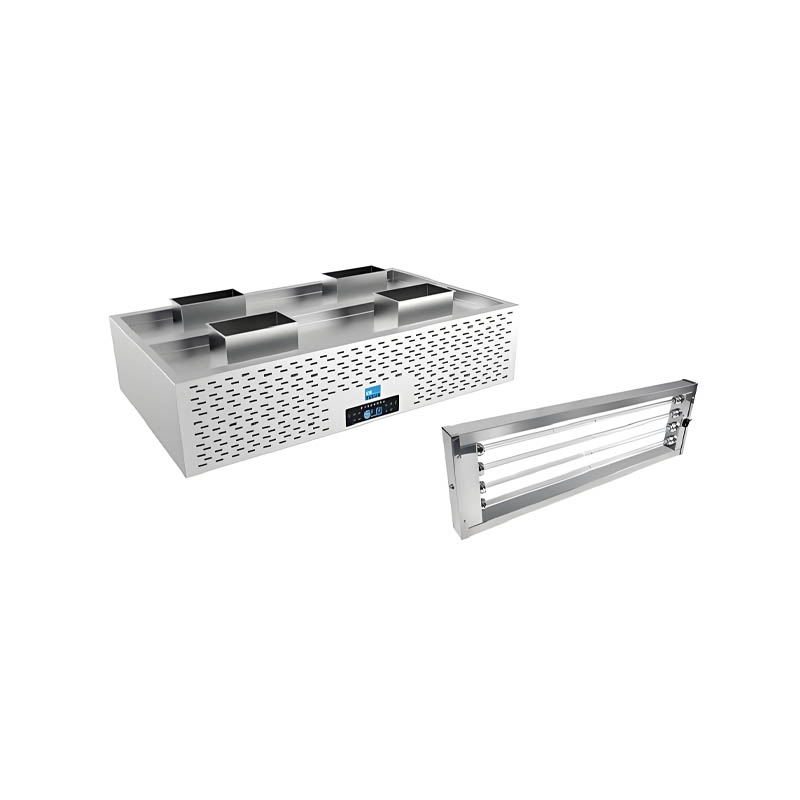
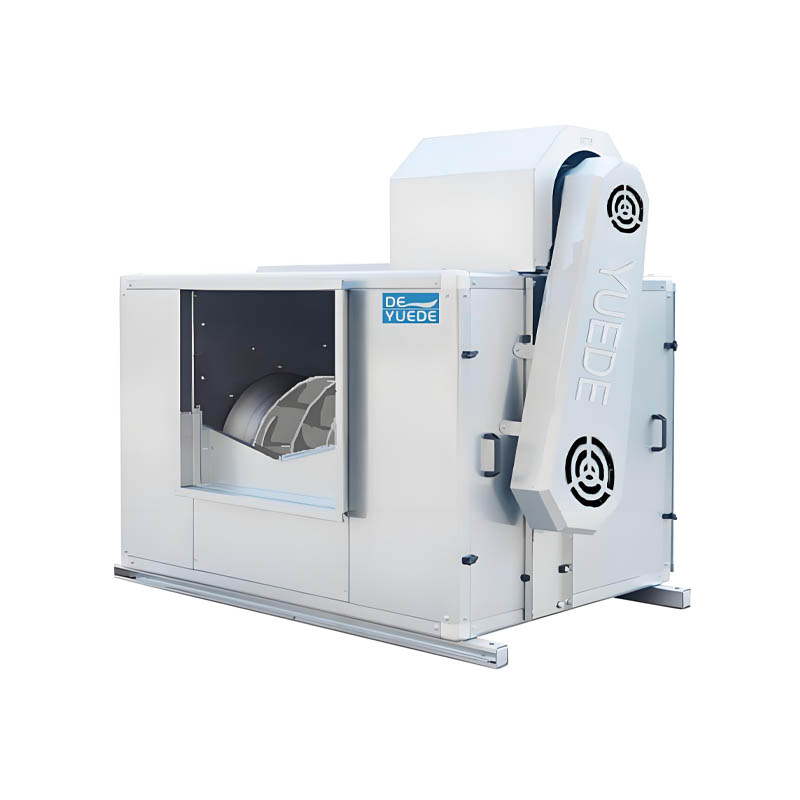
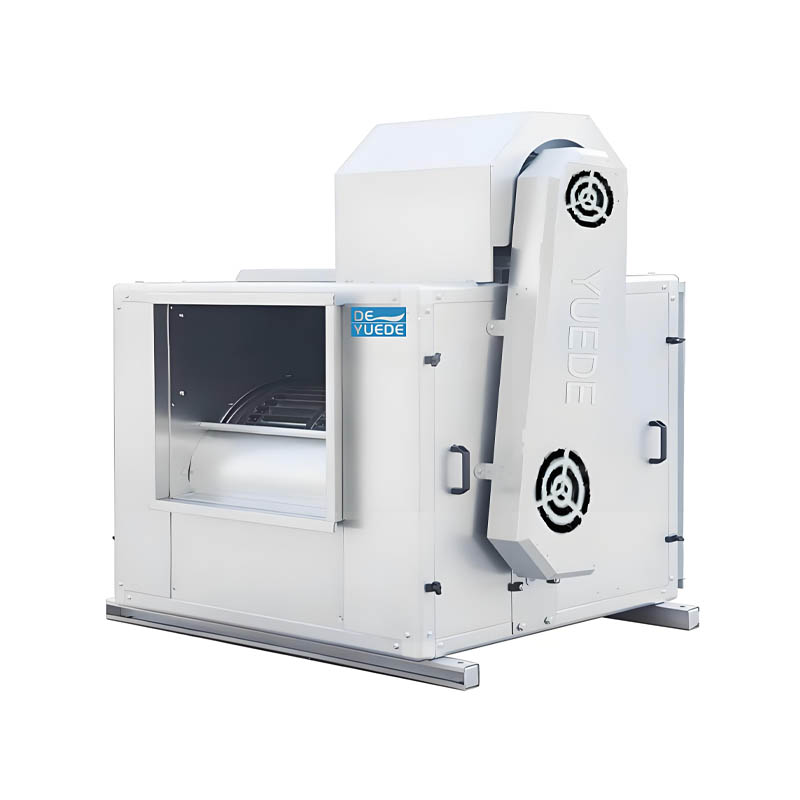
The products specifically include oil fume purifiers, oil fume purification all-in-one machines, intelligent cleaning all-in-one machines, fans, fresh air cooling fans, and intelligent smoke exhaust systems.
Since 2020, the company has accumulated 2 invention patents and 31 utility model patents. Among them, the practical patent - the splicing technology of all-in-one machines has been adopted by more than 80% of peers; The patents related to intelligent cleaning and intelligent smoke exhaust systems are breakthrough or leading technologies in the industry. Traditional product companies such as oil fume purifiers and fans have optimized their structure and process to achieve better results and higher grades.
DCKV System Manufacturer
-- Steady & Reliable Manufacturer --
Introduction
A DCKV system — Demand Control Kitchen Ventilation system — is the complete equipment and control package that enables a commercial kitchen exhaust system to vary its airflow output in response to real-time cooking activity, rather than maintaining constant maximum airflow regardless of actual cooking load. The system name reflects its core function: ventilation demand is continuously assessed through sensors monitoring temperature, smoke opacity, and combustion byproducts at each cooking zone, and the ventilation supply is controlled to match that demand — increasing to full capacity when cooking is active and reducing to a defined minimum when cooking is idle.
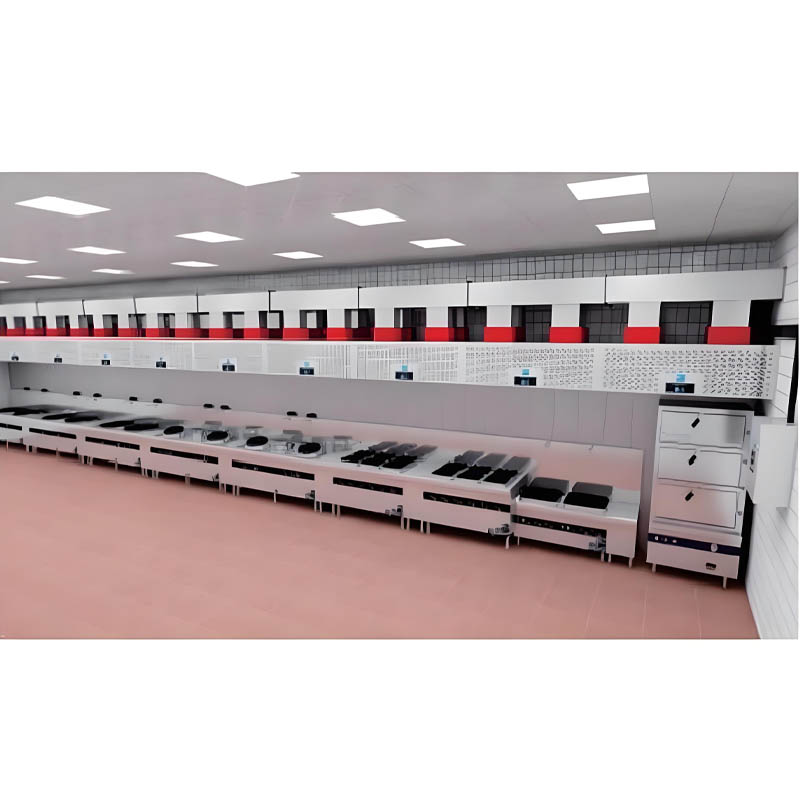
Yuede's DCKV system is marketed as the Intelligent Smoke Extraction System — a complete, engineered package integrating sensors, variable frequency drives (VFDs), zone control dampers, purification components, and an intelligent central controller into a coordinated system that can be monitored and adjusted remotely. Available in both wired and wireless sensor network configurations, Yuede's DCKV system is scalable from single-hood installations to large multi-zone institutional kitchens with dozens of independent cooking stations.
Products & Solutions
Recommend product
Specification
| Parameter | Detail |
|---|---|
| System Components | Exhaust hood(s) + sensors + airflow distributor + VFD cabinet + purifier + exhaust fan + intelligent controller |
| Sensor Types | Temperature (thermocouple, ±1°C); opacity (infrared); CO/CO₂ (optional); cooking equipment interlock input |
| Airflow Control Range | 30%–100% of design maximum (minimum setpoint field-adjustable) |
| VFD Specification | IP54 VFD cabinet; 0.75–55 kW range; energy metering output |
| Zone Dampers | Motorized modulating dampers; 0–10V or Modbus actuation |
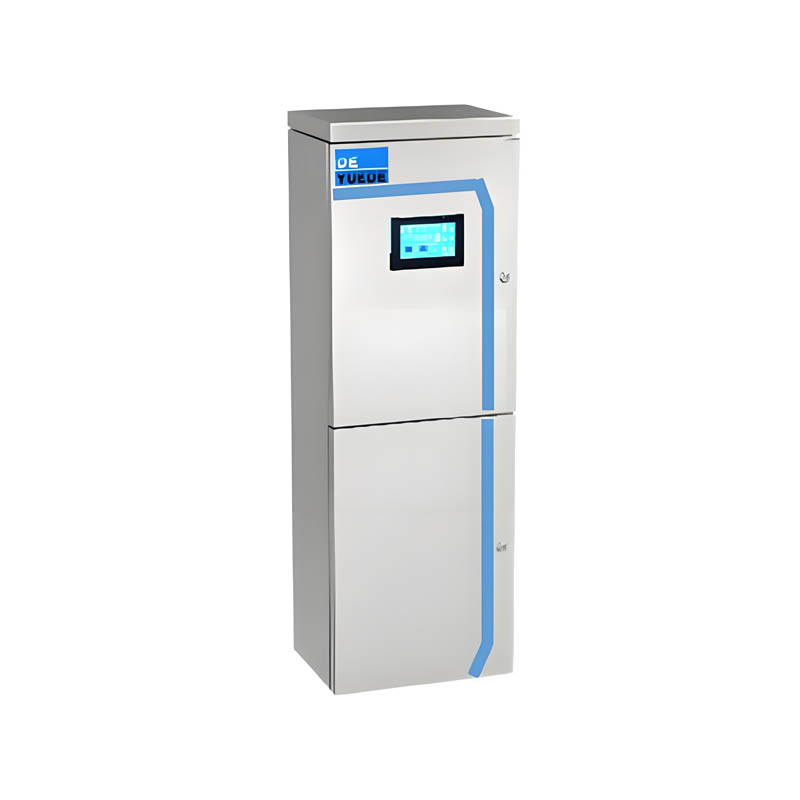
| Controller | Yuede ICU (Intelligent Control Unit); 7-inch color touchscreen; real-time trend display |
| Energy Monitoring | Fan kWh metering; airflow trend logging; daily/monthly report output |
| Network Options | Wired: RS-485 Modbus; Wireless: 2.4 GHz mesh (optional) |
| BMS Integration | Modbus TCP/IP; BACnet (on request); analog I/O for legacy BMS |
| Operating Modes | Auto (DCKV); Manual (fixed speed); Fire mode (100% full speed); Cleaning mode |
| Applicable Standards | ASHRAE 90.1; EN 16282; GB 50736; GB 50019 |
| Certification | CE; VFD components CE/UL; Yuede intelligent control patents |
* Full system engineering package includes: system schematic, sensor placement drawing, duct layout, VFD panel drawing, control sequence description, and commissioning protocol. Yuede provides commissioning support for all DCKV system installations.
Application
- Commercial Kitchens Seeking Energy Certification: Green building rating schemes (LEED v4, BREEAM, Singapore Green Mark, China Green Building) include specific credits for DCKV installation. Yuede's DCKV system provides the energy metering data and system documentation needed to support green building certification submissions for kitchen ventilation energy efficiency credits.
- Multi-Zone Institutional Kitchens: Institutional kitchens with separate cooking zones (hot cooking, cold preparation, pastry, staff canteen) benefit from multi-zone DCKV where each zone is controlled independently — zones not in use drop to minimum airflow independently without affecting ventilation in active zones.
- New Commercial Kitchen Fit-Outs with Mechanical & Electrical Coordination: New-build projects where the building services consultant is designing the kitchen mechanical systems benefit from early specification of a DCKV system — integrating the VFD panel into the building's MCC, the sensor network into the structured cabling design, and the BMS interface into the building automation system design.
- Kitchens with High Make-Up Air Tempering Costs: In climates with extreme winter or summer temperatures, make-up air for kitchen ventilation must be heated or cooled before supply — a significant energy cost. Reducing make-up air volume during low-cooking periods through DCKV reduces the tempering energy cost, compounding the fan energy savings with additional HVAC savings.
- Franchise and Chain Operations Seeking Standardized Energy Performance: Restaurant chains implementing energy management programs benefit from standardized DCKV system designs that can be replicated across multiple sites, with consistent energy metering output enabling chain-wide energy benchmarking and performance tracking.
- Q: What is the difference between a DCKV system and a simple kitchen fan speed controller?
- A: A simple fan speed controller allows manual adjustment of fan speed — it provides no automatic response to cooking load. A DCKV system uses sensors to detect cooking activity in real time and automatically modulates fan speed to match actual ventilation demand. The difference in practice is that a simple controller typically gets set to one speed and left there, while a DCKV system continuously optimizes fan speed throughout the day — capturing the energy savings that manual control misses.
- Q: How does the DCKV system maintain safety during a fire event?
- A: Yuede's DCKV system includes a fire mode override that receives a dry contact signal from the building's fire alarm panel. When a fire alarm is activated, the DCKV system immediately overrides its normal demand-control logic, drives all fans to 100% maximum speed, opens all zone dampers to maximum position, and maintains this state until the fire alarm is reset. This ensures maximum smoke exhaust performance during a fire event, consistent with fire mode requirements in EN 16282 and equivalent local fire codes.
- Q: Can the DCKV system be integrated with cooking equipment (stoves, ovens, fryers)?
- A: Yes. Yuede's DCKV system supports dry contact interlock inputs from individual pieces of cooking equipment. When a fryer reaches operating temperature or a wok burner ignites, the corresponding zone's damper opens and the fan speed ramps up immediately — providing instantaneous ventilation response without waiting for the temperature sensor to detect fume generation. This equipment interlock approach is the most responsive DCKV control method and is particularly effective for gas cooking equipment with rapid heat output changes.
- Q: What ongoing maintenance does the DCKV system require?
- A: Main DCKV maintenance items: quarterly inspection of sensor elements for grease contamination and recalibration if needed; annual inspection of damper actuators and damper blade movement; annual VFD filter cleaning; and periodic review of system control settings against actual kitchen operation to ensure the minimum airflow setpoint remains appropriate. Yuede provides a maintenance schedule and checklist with every DCKV system installation. Remote monitoring capability allows Yuede's service team to identify fault conditions proactively without requiring on-site visits for routine monitoring.
About Us
Zhejiang Yuede Environmental Protection Technology Co., Ltd.

Message Feedback
