
 English
 عربى
عربى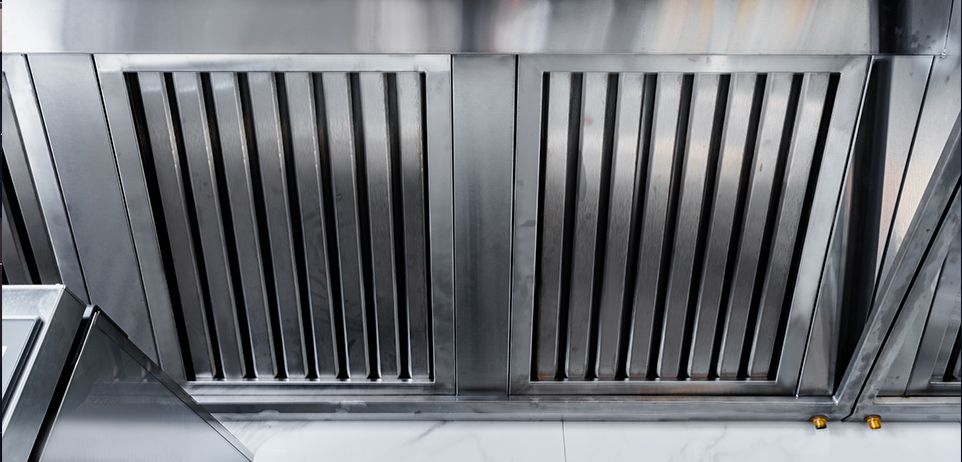
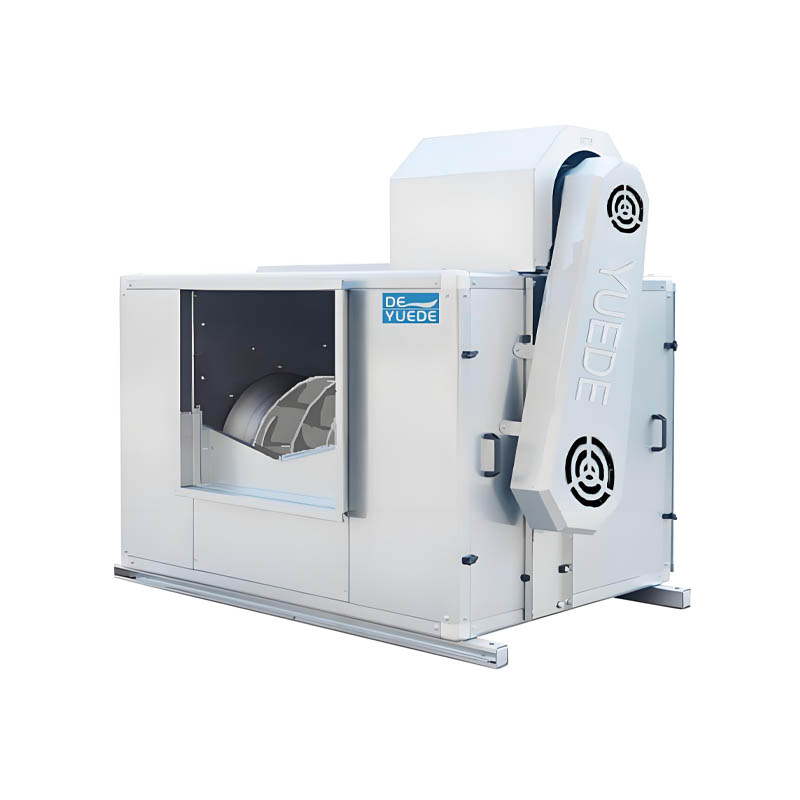
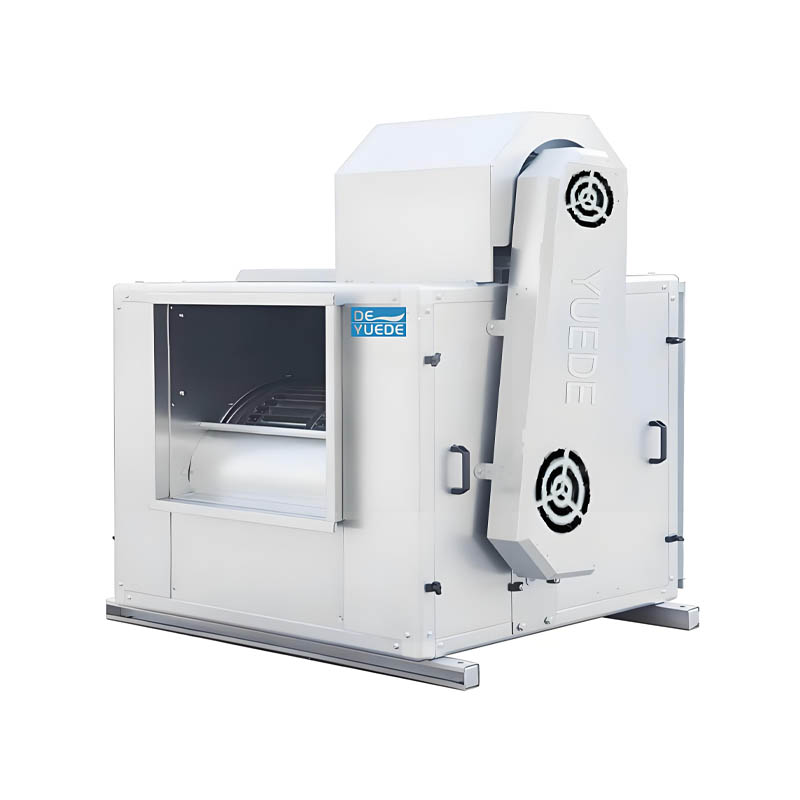
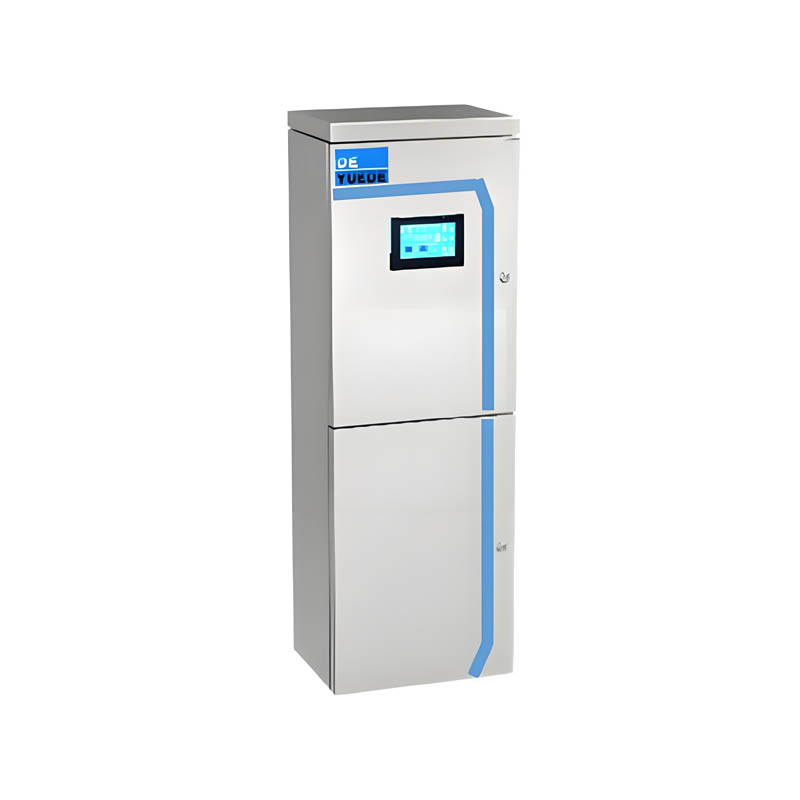
Zhejiang Yuede Environmental Protection Technology Co., Ltd. is located at 505 Lanshang Road, Xinwan Street, Qiantang District, Hangzhou City. China Grease Removal System Manufacturers and Grease Removal System Factory.
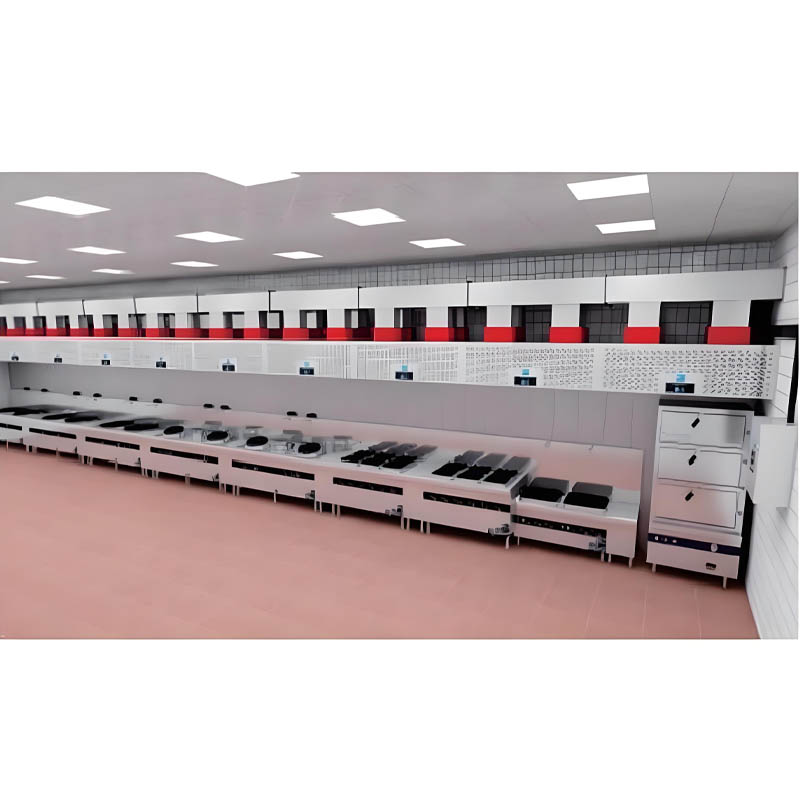
The company is mainly engaged in the research, development, production, and sales of oil fume purification and exhaust equipment, and is one of the few manufacturers in the industry with the ability to develop electronic software systems and design sheet metal structures.
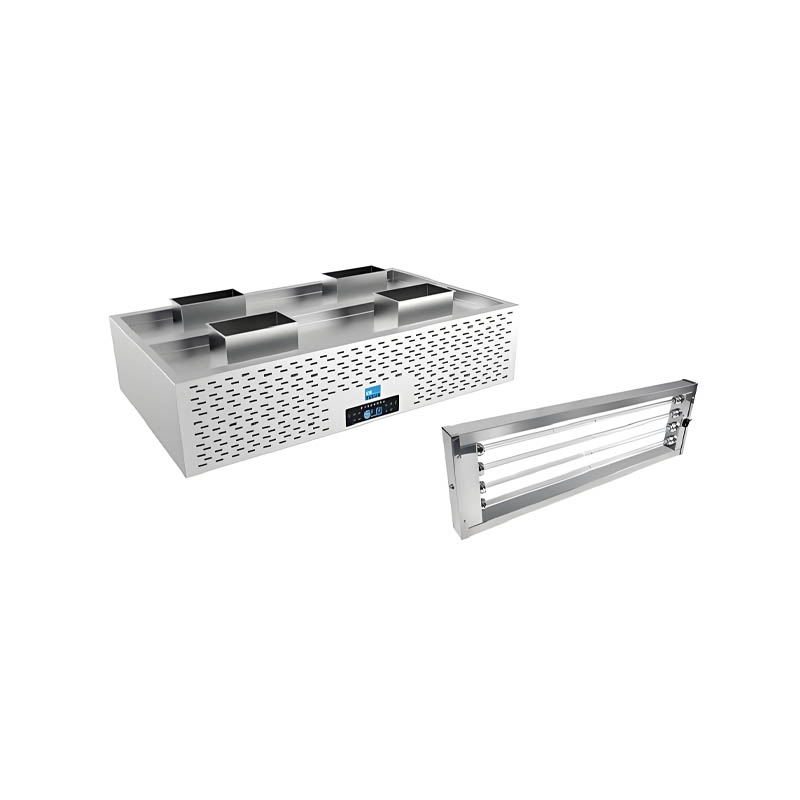
The products specifically include oil fume purifiers, oil fume purification all-in-one machines, intelligent cleaning all-in-one machines, fans, fresh air cooling fans, and intelligent smoke exhaust systems.
Since 2020, the company has accumulated 2 invention patents and 31 utility model patents. Among them, the practical patent - the splicing technology of all-in-one machines has been adopted by more than 80% of peers; The patents related to intelligent cleaning and intelligent smoke exhaust systems are breakthrough or leading technologies in the industry. Traditional product companies such as oil fume purifiers and fans have optimized their structure and process to achieve better results and higher grades.
Grease Removal System Manufacturer
-- Steady & Reliable Manufacturer --
Introduction
A commercial kitchen grease removal system encompasses all the technologies and components used to capture, separate, and remove cooking grease from the exhaust airstream before it reaches the exhaust ductwork, fan, and external discharge point. Effective grease removal is fundamental to commercial kitchen ventilation safety — grease accumulation in ductwork is the primary fuel source for duct fires, the primary cause of fan bearing failure, and the primary reason kitchen exhaust systems require expensive periodic maintenance. Removing grease as early and as thoroughly as possible in the exhaust airstream protects all downstream components and reduces total system maintenance cost over the ventilation system's life.
Yuede's grease removal system offering spans the full technology spectrum: mechanical baffle filters integrated in exhaust hoods for primary bulk grease separation, electrostatic precipitators for secondary fine particle and aerosol capture, UV treatment for vapor-phase grease decomposition, and automatic cleaning systems for maintaining filter performance without manual disassembly. These technologies can be combined in multi-stage systems where regulatory requirements or operational conditions demand the highest possible grease removal performance.
Products & Solutions
Recommend product
Specification
| Stage | Technology | Removal Efficiency | Particle Size Target | Yuede Product |
|---|---|---|---|---|
| Stage 1 | Baffle filter (mechanical) | 70–85% bulk droplets | >10 µm droplets | Integrated in hood |
| Stage 2 | Electrostatic precipitator (ESP) | 85–98% cumulative | 0.1–10 µm aerosol | YD-ESP series |
| Stage 3 (optional) | UV photolysis | 60–80% vapor phase | Submicron vapor | YD-UV module |
| Stage 4 (optional) | Activated carbon | Odor polishing | VOC / odor compounds | Third-party compatible |
| Cleaning | Auto-wash module | N/A (maintenance) | All stages | YD auto-clean series |
| Grease drain | Collection trough + grease interceptor | N/A | Collected liquid grease | SS trough standard |
* Multi-stage grease removal system design available for projects requiring compliance with strict emission standards. System design document with efficiency calculation provided with quotation for multi-stage projects.
Application
- Fire Safety Compliance: The primary application of any grease removal system. NFPA 96 (USA), EN 16282 (Europe), and GB 50016 (China) all require grease removal equipment to prevent duct grease accumulation to the hazardous levels that fuel duct fires. Every commercial kitchen is legally required to have an effective grease removal system in the exhaust path.
- Environmental Emission Compliance: China's GB 18483, Hong Kong's Air Pollution Control Ordinance, and equivalent regulations in Singapore, Malaysia, and other Asian markets specify maximum grease and particulate emission concentrations at the kitchen exhaust discharge. Meeting these standards requires grease removal efficiency beyond what baffle filters alone provide — typically requiring ESP as a secondary stage.
- Ductwork Life Extension: Effective grease removal significantly extends the intervals between required duct cleaning — reducing both the cost and operational disruption of duct cleaning programs. In high-rise buildings where duct access is difficult and expensive, effective grease removal at the source is the most cost-effective maintenance strategy.
- Fan Protection: Grease reaching the exhaust fan coats impeller blades, causes imbalance, increases vibration, and accelerates bearing wear. Effective upstream grease removal protects the fan and extends service intervals dramatically.
- Neighbor Relations and Planning Compliance: In sensitive locations, multi-stage grease removal combined with odor control may be required as a condition of planning permission or as a response to neighbor complaints — making the grease removal system a critical element of the business's license to operate.
- Q: What is the minimum grease removal system required for a commercial kitchen?
- A: The legal minimum varies by jurisdiction. In most markets, a mechanical grease filter (baffle type) in the exhaust hood is the code minimum. However, most emission regulations for outdoor discharge also require a secondary electrostatic precipitator or equivalent to meet particulate emission concentration limits. Yuede recommends specifying at least a baffle filter (integrated in hood) plus ESP as a baseline for any commercial kitchen — and adding UV or additional stages where local regulations, cooking load, or neighbor sensitivity require higher performance.
- Q: How much grease does a typical commercial kitchen generate?
- A: Grease generation varies enormously by cooking type. A high-volume wok cooking operation can generate 200–500 grams of grease per hour per cooking station, while a light-menu café may generate 10–30 grams per hour. Yuede's system sizing calculation takes cooking load into account — understanding your cooking equipment list and daily service hours allows correct specification of ESP efficiency tier, filter cleaning frequency, and grease interceptor capacity.
- Q: How do I know if my existing grease removal system is performing adequately?
- A: Key indicators of inadequate grease removal performance include: visible grease deposits on the duct walls within 1 meter of the ESP outlet; visible grease haze or smoke at the exhaust discharge point; grease deposits on the exhaust fan impeller requiring cleaning more frequently than monthly; and complaints of cooking odors from neighbors. Yuede can arrange an on-site assessment including exhaust airflow measurement and visible inspection of downstream ductwork to evaluate current system performance and recommend upgrades.
- Q: Can Yuede supply a grease removal system for a new kitchen design project?
- A: Yes. For new kitchen design projects, Yuede's technical team can work directly with the kitchen designer, MEP consultant, and architect from early design stages to specify the appropriate grease removal system for the project's cooking program, building type, and local regulatory requirements. Early engagement allows the hood sizing, duct routing, and plant room requirements for the grease removal equipment to be integrated into the building design — avoiding the expensive and disruptive retrofits that occur when grease removal is left as an afterthought.
About Us
Zhejiang Yuede Environmental Protection Technology Co., Ltd.

Message Feedback
