 English
 عربى
عربى
Industry News
Home / News / Industry News / How Does an Intelligent Smoke Extraction System Cut Kitchen Energy Costs?

How Does an Intelligent Smoke Extraction System Cut Kitchen Energy Costs?
2026-07-23
Content
- 1 What an Intelligent Smoke Extraction System Includes
- 2 How Sensor-Driven Airflow Distribution Works
- 3 Energy Savings Through Variable Frequency Drive Control
- 4 Patented Interlocking Devices and Appliance Synchronization
- 5 Comparing Traditional and Intelligent Extraction Systems
- 6 Simplified Installation Through Wireless Signal Transmission
- 7 Air Purification as Part of the Extraction Process
- 8 Considerations Before Upgrading a Commercial Kitchen System
What an Intelligent Smoke Extraction System Includes
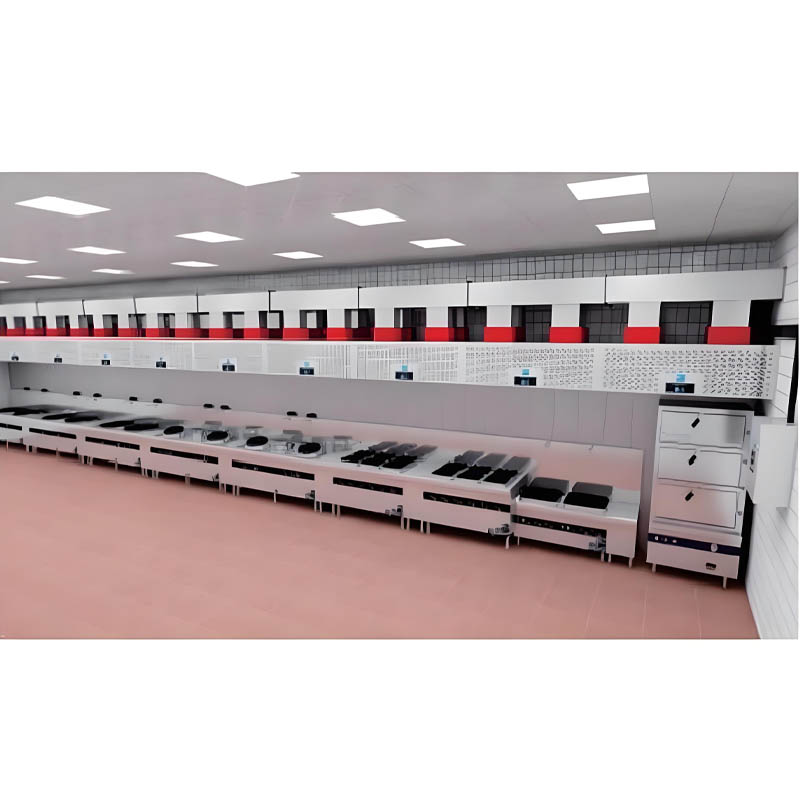
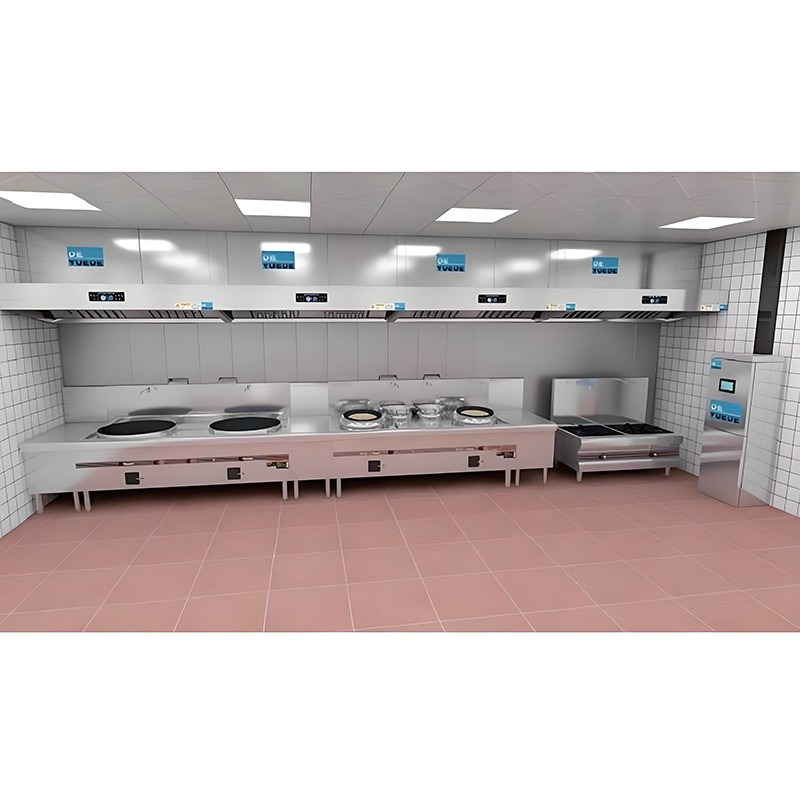
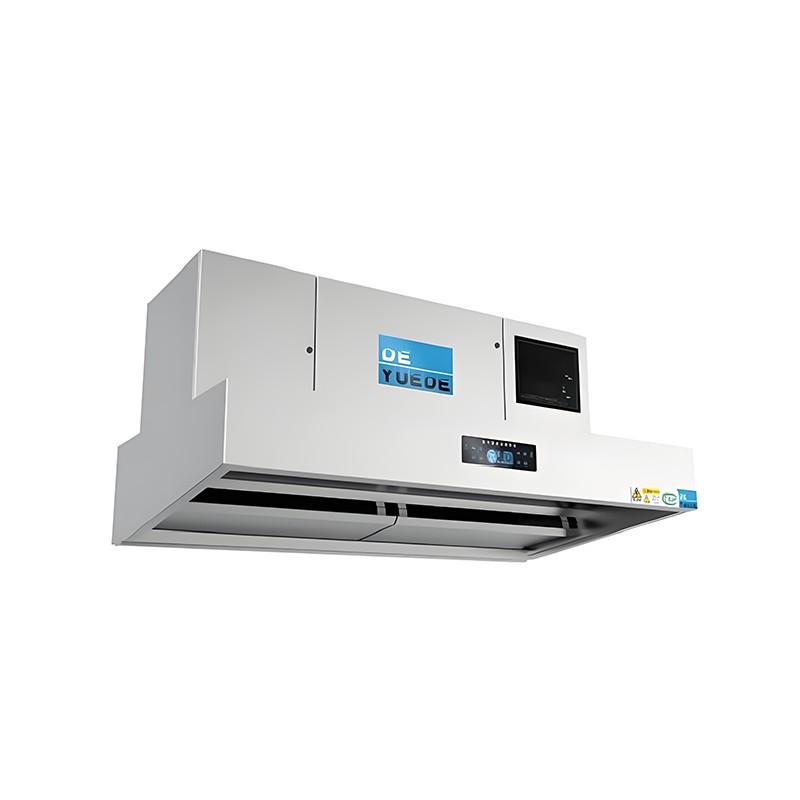
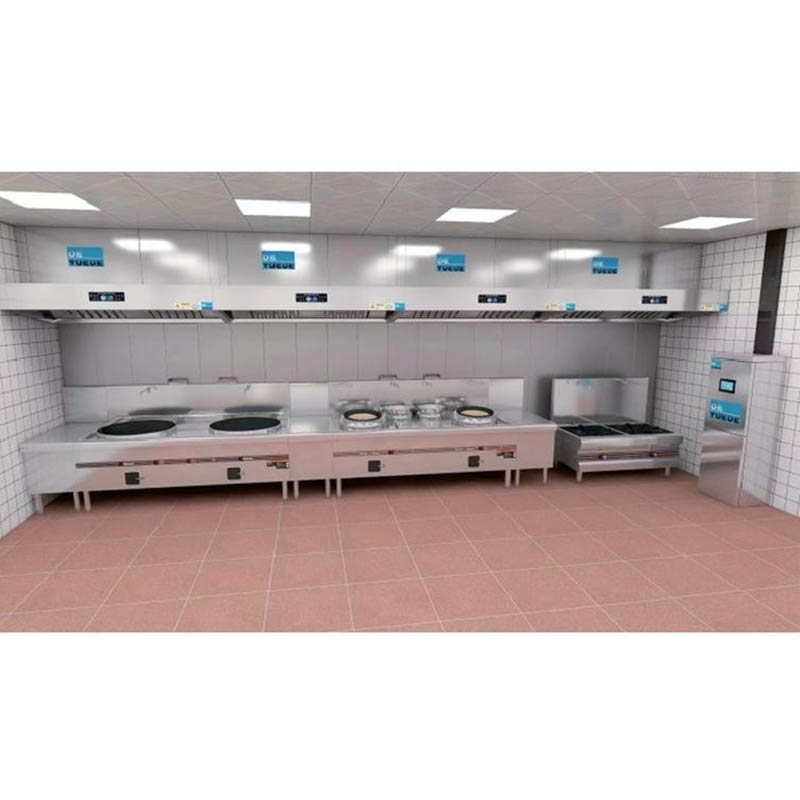
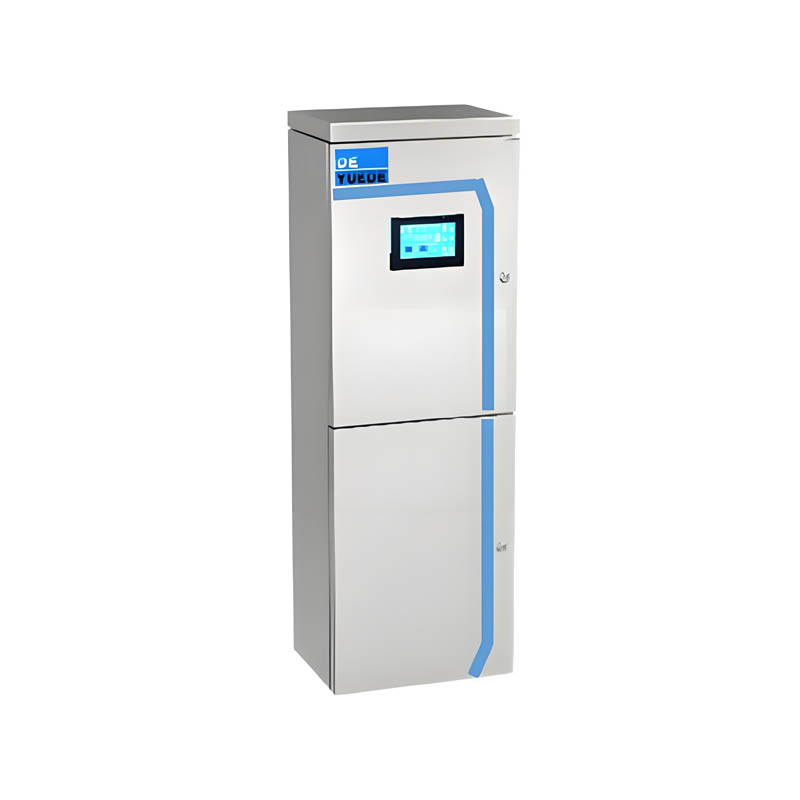
An intelligent smoke extraction system is a complete ventilation solution built for large commercial kitchens, where consistent smoke and heat removal directly affects both staff comfort and food safety compliance. Rather than functioning as a single piece of equipment, the system integrates several components working together: an exhaust hood positioned above cooking stations, a system control unit that manages overall operation, an airflow distributor equipped with sensors and dampers, a variable frequency drive control cabinet, an air purifier, and an exhaust fan.
Each component plays a distinct role in the overall airflow chain. The exhaust hood captures smoke, grease particles, and heat at the source. The airflow distributor uses sensor data to determine how much extraction is needed at any given moment, while the VFD control cabinet adjusts fan speed accordingly. The air purifier treats extracted air before it's released, and the exhaust fan handles the physical movement of air out of the kitchen space. Understanding how these parts work together helps kitchen operators evaluate whether a given system fits their facility's layout and cooking volume.
How Sensor-Driven Airflow Distribution Works
Traditional kitchen ventilation systems typically run exhaust fans at a fixed speed regardless of actual cooking activity, which wastes energy during slower periods and can under-ventilate during peak cooking times. An intelligent system addresses this by using sensors placed throughout the airflow distributor to continuously monitor conditions like heat, smoke density, and cooking activity across different zones of the kitchen.
Zone-Based Monitoring
Large commercial kitchens often have multiple cooking stations that aren't all active simultaneously. Sensor-based monitoring allows the system to identify which zones require more extraction at a given moment, rather than treating the entire kitchen as a single uniform space requiring constant maximum airflow.
Dynamic Damper Adjustment
Dampers within the airflow distributor open and close based on sensor readings, directing extraction capacity toward active cooking zones and reducing it in areas with little or no current activity. This targeted approach improves overall system efficiency compared to a fixed, always-on extraction setup.
Energy Savings Through Variable Frequency Drive Control
The variable frequency drive control cabinet is central to how this system reduces energy consumption. Rather than running the exhaust fan at a constant speed, the VFD adjusts fan output based on real-time data from the airflow distributor's sensors, matching extraction power to actual demand rather than worst-case assumptions.
This dynamic adjustment is what allows the system to reduce energy consumption by up to 30% in typical kitchen environments. Since commercial kitchen exhaust fans often run for extended hours daily, even moderate reductions in average fan speed translate into meaningful electricity savings over a month or year, particularly in facilities operating long service hours or multiple shifts.
Patented Interlocking Devices and Appliance Synchronization
Beyond general sensor-driven adjustment, the system includes patented interlocking devices that allow fan operation to synchronize directly with the number and status of active cooking appliances. This means the extraction system responds not just to ambient smoke and heat levels, but to direct signals about which specific appliances are turned on and in use at any given time.
- Fan speed increases automatically when more appliances become active, ensuring adequate extraction during high-demand periods
- Fan output scales down when fewer appliances are running, avoiding unnecessary energy use during quieter service periods
- Interlocking reduces reliance on kitchen staff to manually adjust ventilation settings based on cooking volume
- The synchronization works alongside sensor data, adding an additional layer of responsiveness beyond smoke and heat detection alone
This appliance-level synchronization represents a more precise approach to energy management than sensor monitoring alone, since it accounts directly for the kitchen's actual equipment usage pattern rather than only inferring activity from ambient air conditions.
Comparing Traditional and Intelligent Extraction Systems
Kitchen operators evaluating a system upgrade benefit from understanding how intelligent extraction compares to fixed-speed traditional setups across key operational factors.
| Factor | Traditional Fixed-Speed System | Intelligent Smoke Extraction System |
| Fan Operation | Constant speed regardless of demand | Variable speed based on sensor and appliance data |
| Energy Consumption | Higher, especially during low-activity periods | Reduced by up to 30% in typical use |
| Zone Responsiveness | Uniform extraction across entire kitchen | Targeted extraction based on active zones |
| Staff Involvement | Manual adjustment often required | Automated adjustment reduces manual input |
This comparison highlights why facilities running long operating hours or highly variable cooking volumes tend to see the most significant benefit from switching to an intelligent, sensor-driven system.
Simplified Installation Through Wireless Signal Transmission
One of the practical barriers to upgrading kitchen ventilation systems is the complexity and disruption involved in installation, particularly in facilities that need to minimize downtime during a retrofit. This system addresses that challenge using mature wireless signal transmission technology to connect sensors, control components, and the central control unit without requiring extensive new wiring throughout the kitchen.
This wireless approach reduces the amount of physical infrastructure work needed during installation, which shortens project timelines and lowers the disruption to ongoing kitchen operations. It also simplifies integration with existing kitchen layouts, since sensors and control points can be positioned based on functional need rather than being constrained by where wired connections can practically be run.
Air Purification as Part of the Extraction Process
Beyond simply moving smoke and heat out of the kitchen, the system's integrated air purifier treats extracted air before release, addressing grease particulates and airborne contaminants generated during cooking. This step matters both for regulatory compliance in many jurisdictions and for reducing the buildup of grease residue in exhaust ductwork over time, which can otherwise become a fire hazard if left unaddressed.
Integrating purification directly into the extraction system, rather than treating it as a separate add-on, helps ensure that the airflow moving through the system at any given moment, whether ramped up during peak cooking or reduced during quieter periods, passes through consistent filtration before exiting the building.
Considerations Before Upgrading a Commercial Kitchen System
Facilities considering an intelligent smoke extraction system should evaluate their current kitchen layout, appliance count, and typical service volume to estimate realistic energy savings for their specific operation. It's also worth confirming how the wireless transmission technology performs in kitchens with significant metal equipment density, since wireless signal reliability can vary based on the physical environment. Requesting a site assessment from the manufacturer before finalizing a system design helps ensure sensor placement, damper zoning, and fan capacity are configured correctly for the facility's actual cooking patterns rather than generic assumptions.

- No. 505 Lanshang Road, Xinwan Street, Qiantang New District, Hangzhou City, Zhejiang Province
- +86-(0)571-56682212
- [email protected]
Copyright @ Zhejiang Yuede Environmental Protection Technology Co., Ltd. All rights reserved Customized Commercial Kitchen Exhaust System Solution
