 English
 عربى
عربى
Industry News
Home / News / Industry News / What Construction Details Make a Smoke Extraction Cabinet Fan Durable?

What Construction Details Make a Smoke Extraction Cabinet Fan Durable?
2026-07-23
Content
- 1 What a Smoke Extraction Cabinet Fan Unit Involves
- 2 Housing Construction and Why Sheet Metal Choice Matters
- 3 Impeller Design and Balancing Process
- 4 Motor Specifications and Compliance Standards
- 5 Power Transmission Components: Pulleys and Bearings
- 6 Fastener Grade and Structural Frame Materials
- 7 Why Component-Level Detail Matters When Sourcing This Equipment
What a Smoke Extraction Cabinet Fan Unit Involves
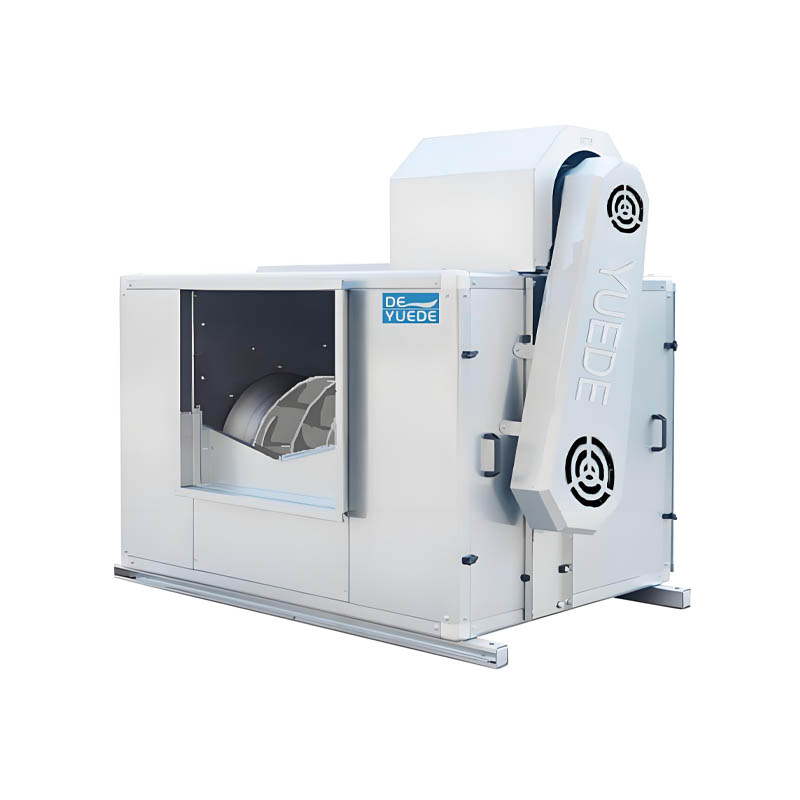
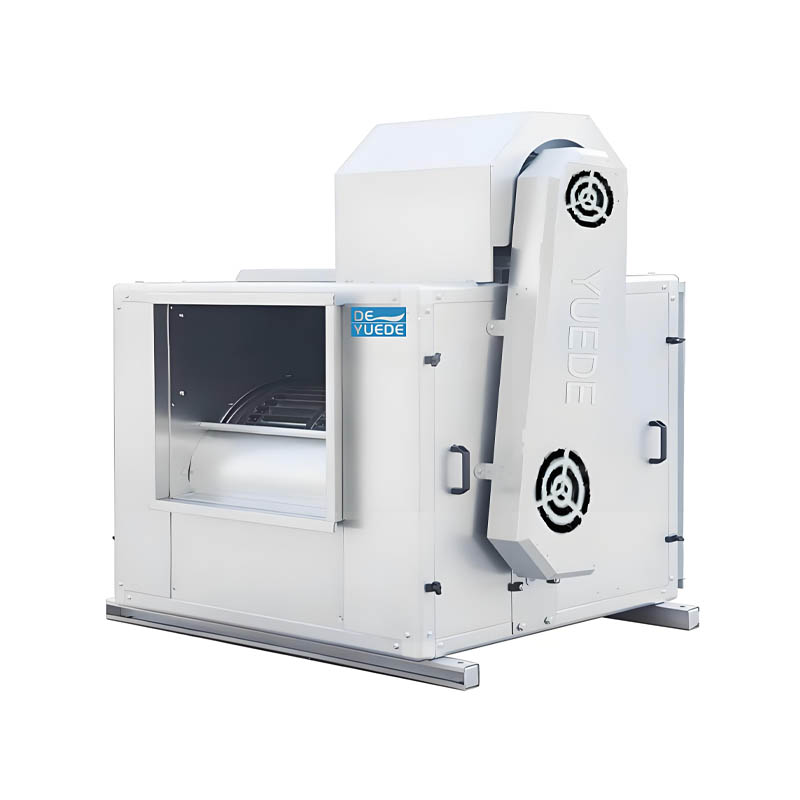
A smoke extraction cabinet fan unit is the mechanical core of a ventilation system tasked with moving smoke, fumes, or exhaust air out of a facility reliably and continuously. Unlike simple ducting or passive vents, this equipment relies on a driven impeller housed within a purpose-built enclosure, supported by a motor, bearings, and structural framework engineered to withstand continuous operation under demanding conditions. Every component in this system, from the housing material to the fasteners holding it together, contributes to how reliably the unit performs over its working life.
For facility operators and equipment buyers evaluating smoke extraction cabinets, understanding the specific construction details of each component helps clarify which units are built for long-term industrial duty versus lighter, less durable applications. The following breakdown covers the key structural and mechanical elements that determine a unit's durability, airtightness, and operational stability.
Housing Construction and Why Sheet Metal Choice Matters
The fan housing is built from 1.5 mm galvanized steel sheet, a thickness and coating combination chosen to balance structural strength with corrosion resistance under continuous exposure to smoke, moisture, and temperature variation. Galvanized steel's zinc coating protects the underlying metal from rust formation, which is particularly important in extraction applications where condensation and airborne particulates are a constant presence.
Single-Sheet Panel Formation
The top and bottom panels, along with the flanges, are formed from single sheets of metal rather than assembled from multiple welded or joined pieces. This design choice reduces the total number of joints in the housing, which directly improves structural integrity and reduces the number of potential failure points where cracking or separation could occur over time.
Sealant Application for Airtight Performance
Sealant is applied to all corners, interfaces, and seams throughout the housing assembly, ensuring the unit maintains reliable airtightness. This matters significantly for extraction efficiency, since any air leakage at joints reduces the effective suction the system can generate at the intended extraction point, forcing the fan to work harder to compensate.
Impeller Design and Balancing Process
The impeller is the rotating component responsible for actually moving air through the system, and its design directly affects both extraction capacity and operational smoothness. This unit uses a multi-blade, double-inlet impeller design, manufactured from galvanized steel sheets with a powder-coated finish applied using precision tooling.
- Multi-blade configuration increases airflow capacity compared to simpler single-blade designs
- Double-inlet structure allows air to enter from both sides of the impeller, improving overall extraction efficiency
- Powder-coated finish adds a protective layer against corrosion and wear on the impeller surface
- Precision tooling during manufacturing ensures consistent blade geometry across production units
After fabrication, each impeller undergoes dynamic balancing on a dedicated balancing machine. This step is critical for stable operation, since an unbalanced impeller running at operational speed generates excessive vibration, which accelerates wear on bearings and other rotating components while also increasing noise levels during use.
Motor Specifications and Compliance Standards
The unit is powered by a Y-series three-phase asynchronous motor rated at 380V and 50Hz, a widely used motor type in industrial ventilation equipment due to its reliability and efficiency across continuous duty cycles. Several specific characteristics define how this motor performs under sustained operational demand.
| Motor Specification | Detail |
| Voltage / Frequency | 380V / 50Hz three-phase asynchronous |
| Insulation Class | Class B |
| Protection Rating | IP44 |
| Cooling Method | IC411 |
| Standards Compliance | IEC mounting dimensions and power ratings |
Mounting dimensions and power ratings comply with IEC standards, which simplifies replacement and integration for facilities that need to match new equipment with existing infrastructure or standard spare parts inventories. The combination of Class B insulation, IP44 protection against dust and moisture ingress, and IC411 cooling contributes to the motor's low vibration, low noise operation and extended service life under continuous industrial use.
Power Transmission Components: Pulleys and Bearings
Power transmission between the motor and impeller relies on a pulley system built with European-standard SPB pulleys, selected specifically for their high strength, low vibration characteristics, and stability during long-term power transmission. This standardization also simplifies sourcing replacement pulleys when maintenance is needed, since SPB specifications are widely recognized across industrial equipment suppliers.
Supporting the rotating assembly, the unit uses Dongguan TR bearings, chosen for their excellent sealing performance, high precision, and heat resistance. Bearing quality directly affects how long a fan unit can run before requiring maintenance or replacement, since bearings absorb continuous mechanical stress from the rotating impeller and pulley system. Strong sealing performance in particular helps keep contaminants out of the bearing assembly, which extends operational life even in dusty or humid extraction environments.
Fastener Grade and Structural Frame Materials
Fasteners throughout the unit are Grade 8.8 high-strength self-locking nuts, offering strong tensile performance and effective anti-loosening capability. This detail matters more than it might initially appear, since a fan unit running continuously generates vibration that can gradually loosen standard fasteners over time, leading to structural instability or component misalignment if lower-grade hardware is used instead.
The motor support and base frame are constructed from galvanized channel steel and angle steel, providing the same corrosion resistance benefits found in the housing while also delivering the structural rigidity needed to keep the motor and impeller assembly properly aligned during continuous operation. A stable, corrosion-resistant frame reduces the risk of misalignment-related wear on the pulley and bearing components over the unit's service life.
Why Component-Level Detail Matters When Sourcing This Equipment
Smoke extraction cabinets operate under continuous mechanical stress, exposure to airborne particulates, and often extended daily runtime, which makes component-level construction quality a more reliable indicator of long-term performance than general product specifications alone. Buyers evaluating different suppliers benefit from asking specific questions about sheet metal thickness, impeller balancing procedures, motor compliance standards, and fastener grade, rather than relying solely on overall unit dimensions or airflow ratings.
- Confirm housing sheet thickness and joint sealing method to assess long-term airtightness
- Ask whether impellers are dynamically balanced and request test documentation if available
- Verify motor insulation class and protection rating match the facility's operating environment
- Check bearing brand and sealing specifications, since these directly affect maintenance frequency
- Confirm fastener grade, particularly for units expected to run continuously in high-vibration settings
Requesting detailed component specifications before finalizing a purchase helps ensure the smoke extraction cabinet selected will hold up under the facility's actual operating conditions, rather than only meeting minimum airflow requirements on paper.

- No. 505 Lanshang Road, Xinwan Street, Qiantang New District, Hangzhou City, Zhejiang Province
- +86-(0)571-56682212
- [email protected]
Copyright @ Zhejiang Yuede Environmental Protection Technology Co., Ltd. All rights reserved Customized Commercial Kitchen Exhaust System Solution
