 English
 عربى
عربى
Industry News
Home / News / Industry News / How Does a Commercial Kitchen Fume Purification System Achieve 98% Efficiency?

How Does a Commercial Kitchen Fume Purification System Achieve 98% Efficiency?
2026-07-23
Content
- 1 What a Commercial Kitchen Fume Purification System Does
- 2 Why 201 Stainless Steel Construction Supports Long Service Life
- 3 How the Two-Stage Electrostatic Field Process Works
- 4 Purification Efficiency and What 98% Means in Practice
- 5 Protection and Control Features That Support Reliable Operation
- 6 Where This System Fits Across Different Food Service Settings
- 7 Maintenance Practices That Preserve Purification Performance
What a Commercial Kitchen Fume Purification System Does
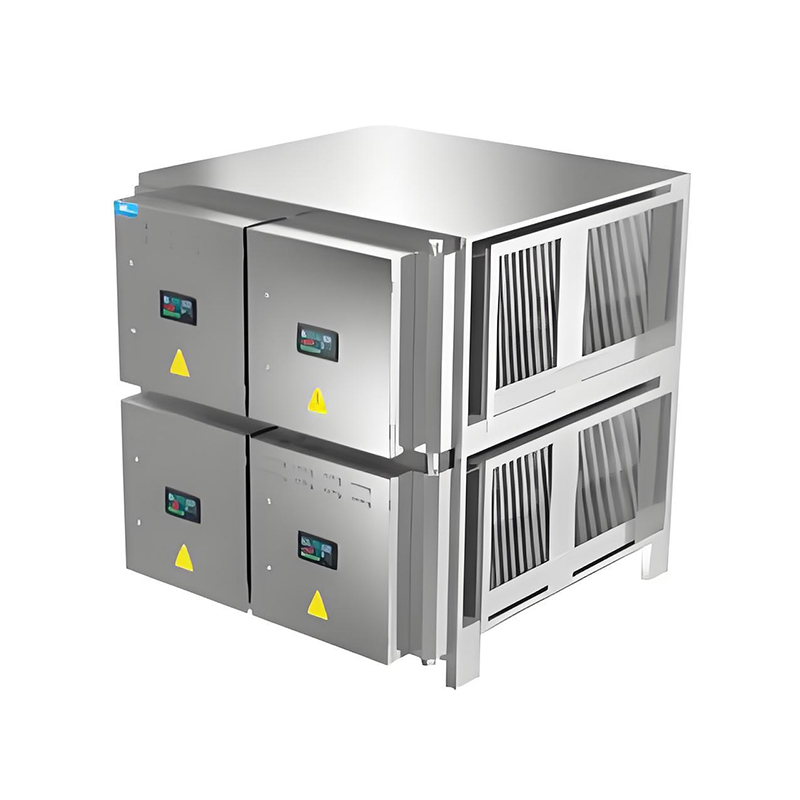
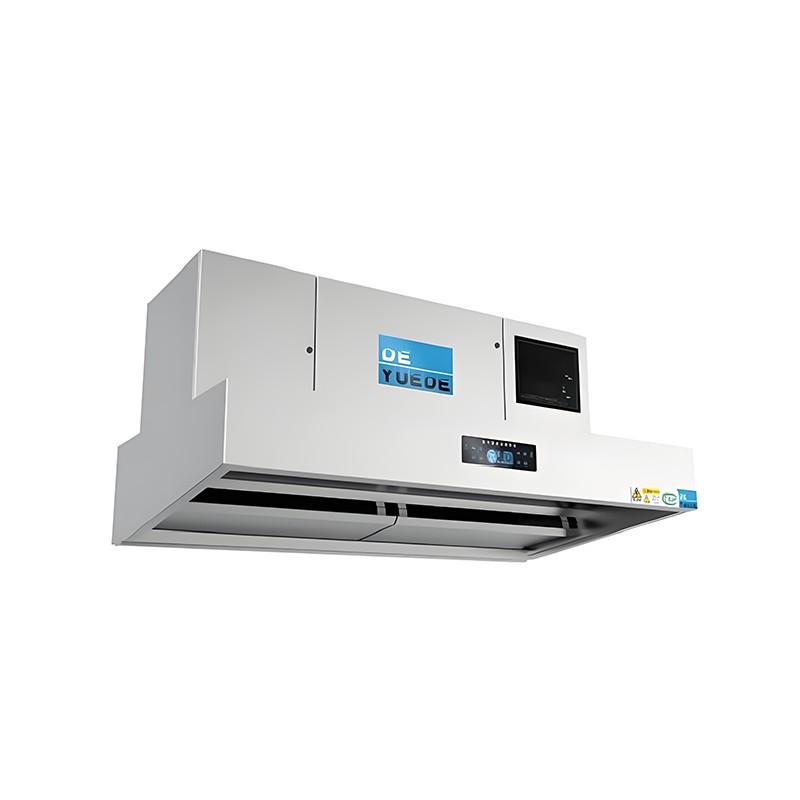
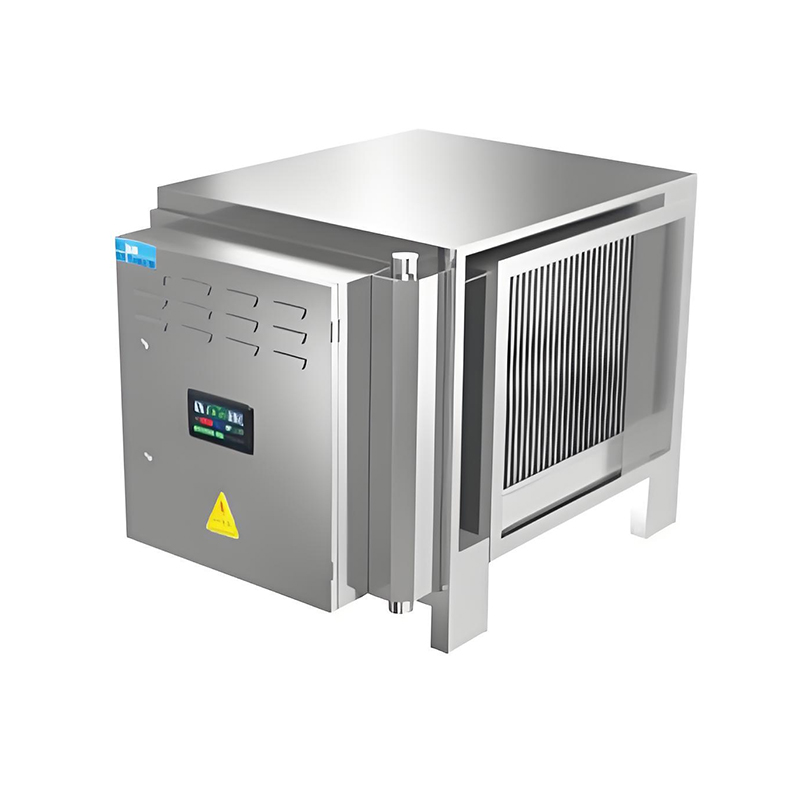
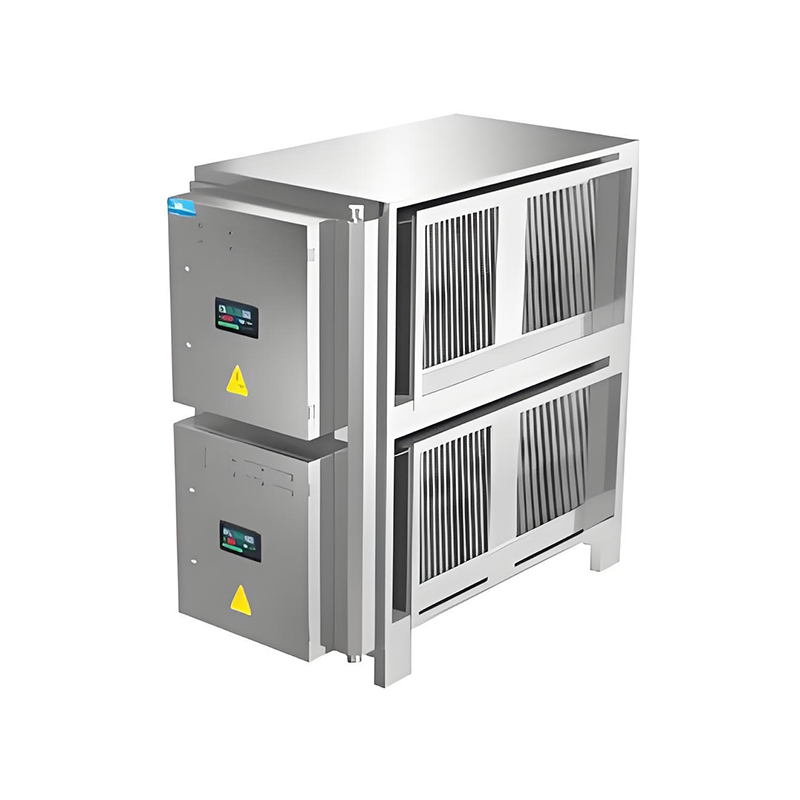
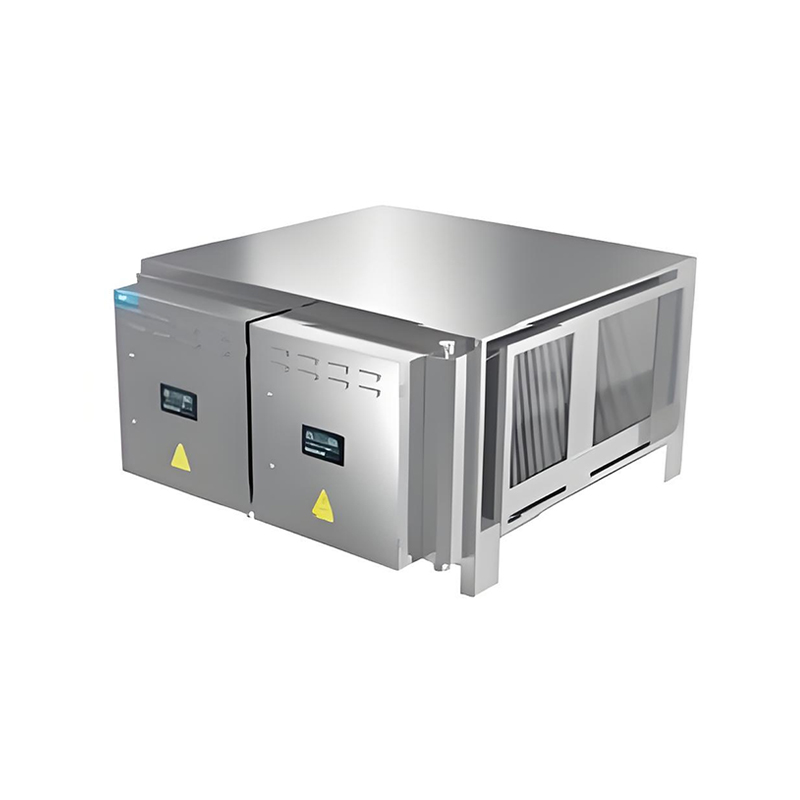
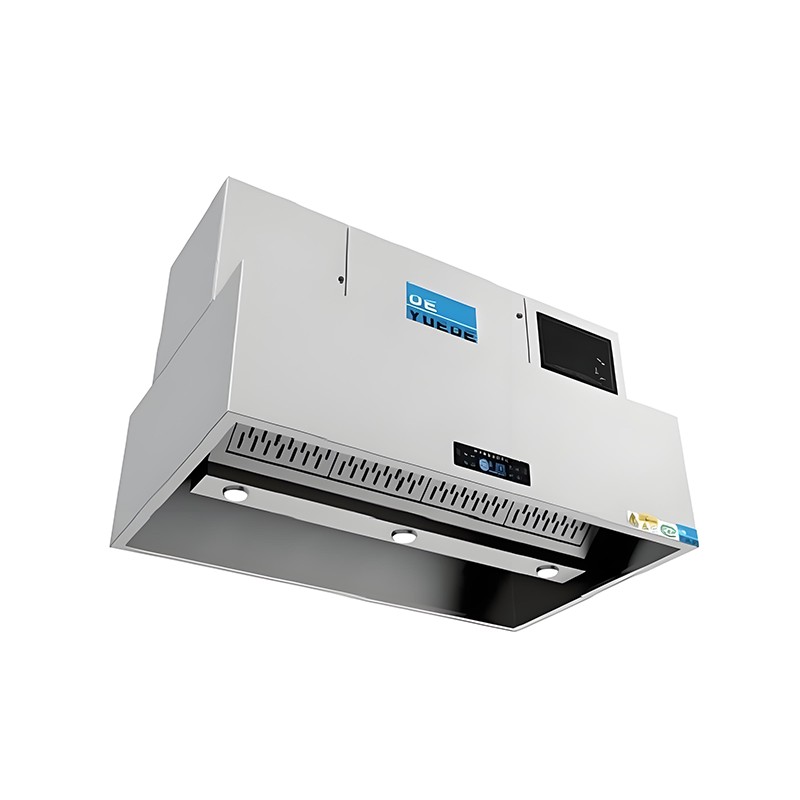
A commercial kitchen fume purification system removes grease particles, smoke, and oil vapor from cooking exhaust before it's released into the surrounding air or building ventilation system. This type of equipment is commonly installed in restaurants, hotels, institutional and corporate cafeterias, barbecue restaurants, and fast-food chains, where high-volume cooking generates continuous grease-laden smoke that needs to be captured and neutralized rather than simply vented outdoors untreated.
Unlike basic exhaust hoods that primarily move air, a fume purification system actively treats the air passing through it, using an electrostatic precipitation process to strip out fine grease and smoke particles. This distinction matters for facilities operating under strict air quality regulations, in dense urban locations near residential buildings, or in high-volume kitchens where untreated grease exhaust can create both odor complaints and fire hazard buildup in ductwork over time.
Why 201 Stainless Steel Construction Supports Long Service Life
Both the housing and the electrostatic field components of this system are constructed from 201 stainless steel, a material chosen specifically for its balance of corrosion resistance and durability in the demanding environment of continuous kitchen exhaust exposure. Grease particles, moisture, and heat all contribute to material degradation over time, making corrosion resistance a practical necessity rather than a cosmetic feature.
Handling Constant Grease and Moisture Exposure
Kitchen exhaust systems operate in conditions that would quickly corrode standard metal housings, given the combination of airborne grease, humidity, and heat cycling throughout daily operation. Stainless steel construction resists this degradation, helping the unit maintain both its structural integrity and its internal electrostatic performance over years of continuous use.
Supporting a Five-Year-Plus Service Life
The stainless steel build directly contributes to a service life exceeding five years under typical commercial kitchen operating conditions. For facility operators, this extended lifespan translates into a more favorable long-term cost picture compared to units built with lower-grade materials that may require earlier replacement due to corrosion-related failure.
How the Two-Stage Electrostatic Field Process Works
The core purification mechanism relies on a two-stage electrostatic field design, a proven approach for removing fine airborne particles from grease-laden kitchen exhaust. Understanding how each stage functions helps clarify why this method achieves such high purification efficiency compared to passive filtration alone.
- First stage ionization electrically charges grease and smoke particles as they pass through the initial section of the electrostatic field
- Second stage collection plates attract and capture these now-charged particles, pulling them out of the airflow
- Because particles are actively charged and captured rather than passively filtered, the system handles fine particulate matter that mechanical filters alone often miss
- Collected grease residue accumulates on the collection plates, which are designed for periodic cleaning to maintain consistent performance
This two-stage approach is a well-established method in industrial air purification because it separates the charging and collection functions, allowing each stage to be optimized independently rather than relying on a single filtration step to handle both tasks at once.
Purification Efficiency and What 98% Means in Practice
The system is capable of achieving purification efficiency of up to 98%, meaning the vast majority of grease and smoke particles are removed from the exhaust stream before it exits the unit. This level of efficiency matters significantly for facilities that need to meet local air quality regulations governing commercial kitchen emissions, particularly in areas with strict environmental standards or in buildings located near residential zones where odor and visible smoke complaints can create ongoing regulatory or community friction.
High purification efficiency also reduces the amount of grease residue that would otherwise accumulate in downstream ductwork, which lowers fire risk and reduces the frequency and cost of duct cleaning maintenance. For kitchens running long daily service hours, this compounding benefit, cleaner air output plus reduced ductwork buildup, often justifies the investment in a higher-efficiency purification system over simpler alternatives.
Protection and Control Features That Support Reliable Operation
Beyond the core purification mechanism, the system includes multiple protection and control functions designed to keep the unit operating safely and consistently under the variable electrical and environmental conditions common in commercial kitchens.
| Protection Feature | Function |
| Overcurrent Protection | Prevents damage from electrical current spikes during operation |
| Overvoltage Protection | Shields internal components from voltage fluctuations in the power supply |
| Automatic Voltage Regulation | Maintains stable electrostatic field performance despite input power variation |
| Digital Panel Fault Alerts | Notifies staff of operational issues for prompt response |
These combined protection features reduce the likelihood of unexpected equipment failure and help extend the operational lifespan of the electrostatic field components, which are central to the system's overall purification performance.
Where This System Fits Across Different Food Service Settings
Different types of food service operations generate varying volumes and types of cooking fumes, and understanding these differences helps operators evaluate whether their specific setting demands particular attention to system capacity or placement.
High-Grease Environments
Barbecue restaurants and fast-food chains that rely heavily on grilling and frying typically produce denser grease-laden smoke than lighter food service operations. These settings benefit most directly from the two-stage electrostatic process, since particle density and volume are higher on a consistent basis.
Institutional and Corporate Cafeteria Settings
Cafeterias operating within office buildings, schools, or hospitals often need to meet stricter air quality expectations given their proximity to shared indoor spaces. A high-efficiency purification system helps these facilities maintain acceptable indoor air quality without requiring separate, more disruptive ventilation modifications.
Maintenance Practices That Preserve Purification Performance
Regular maintenance is necessary to keep purification efficiency consistent over the system's service life, since accumulated grease on collection plates can reduce electrostatic performance if left unaddressed for extended periods.
- Clean electrostatic collection plates on a set schedule based on kitchen cooking volume and grease output
- Inspect the stainless steel housing periodically for signs of wear or seal damage that could affect airflow containment
- Monitor the digital panel for fault alerts and address flagged issues promptly to avoid extended downtime
- Verify voltage regulation function periodically, particularly in facilities with inconsistent power supply conditions
Facilities considering this type of system should confirm cleaning intervals and replacement part availability with the manufacturer before installation, since maintenance requirements can vary depending on daily cooking volume and the specific type of food preparation involved.

- No. 505 Lanshang Road, Xinwan Street, Qiantang New District, Hangzhou City, Zhejiang Province
- +86-(0)571-56682212
- [email protected]
Copyright @ Zhejiang Yuede Environmental Protection Technology Co., Ltd. All rights reserved Customized Commercial Kitchen Exhaust System Solution
