 English
 عربى
عربى
Industry News
Home / News / Industry News / What Does CFM Mean on an Air Extractor Fan and How Many CFM Do You Need?

What Does CFM Mean on an Air Extractor Fan and How Many CFM Do You Need?
2026-08-18
Content
When you compare extractor fans for a kitchen, the first specification a supplier quotes is usually the CFM. In the context of an extractor de aire, CFM simply means cubic feet per minute, and it describes the volume of air the fan can move. That rating decides how quickly your kitchen clears smoke, steam and heat from a heavy cooking load. If the CFM is too low, the fan will look busy but the room will stay hazy; if it is too high, you pay for noise and energy you do not need. The practical answer is to size the fan to your actual cooking equipment and duct run.
What Does CFM Mean in an Air Extractor?
CFM stands for cubic feet per minute, an imperial unit used in the ventilation industry to measure airflow. One cubic foot per minute is the volume of air that passes through a given point in one minute. Since many markets specify airflow in metric units, manufacturers also list the value in m³/h. The conversion is simple: 1 CFM equals approximately 1.699 m³/h, and 1 m³/h equals 0.589 CFM. A fan rated at 600 CFM therefore moves about 1,019 m³/h of air at free delivery.
Two details matter when reading that number. First, the CFM rating is commonly stated at zero static pressure, meaning the fan is moving air through open space. Once you connect ducting, filters, elbows and a discharge louver, the airflow drops. Second, the fan has to overcome the resistance of the whole extraction train, so the useful CFM at the hood is lower than the free-air number. That is why the same fan model can perform differently in different installations.
Why CFM Matters in an Exhaust Fan
A kitchen extractor exists to capture air at the source: rising heat, steam, smoke, grease aerosols and cooking odors. The CFM rating determines whether the capture actually happens. With too little airflow, steam condenses on ceilings, grease settles on surfaces and walls, odors linger, and the kitchen becomes harder to clean and less comfortable to work in.
A fan sized generously removes the air quickly, but it creates its own problems: more noise, higher energy use, and more conditioned room air being pulled out and replaced with outdoor air. In extreme cases, a very large fan can interfere with the burners on gas equipment by pulling the flame. The goal is not the highest CFM; it is the right CFM, verified against the duct system.
Local building and ventilation codes usually set a minimum exhaust rate for commercial kitchens based on the installed cooking equipment. Knowing the CFM value lets you check a fan against those requirements instead of guessing.
How to Calculate the Right CFM for Your Space
Two methods cover most situations. Use both and take the higher result as your starting point.
Cooking Surface and Equipment Method
For gas cooking, a common rule is 100 CFM for every 10,000 BTU of burner output. A residential gas range with a total output of 40,000 BTU needs roughly 400 CFM. For electric cooktops, use 100 CFM for each linear foot of cooktop width; a 30-inch (2.5-foot) electric range points to about 250 CFM, and many manufacturers suggest a minimum of 300 CFM for electric ranges.
Room Volume and Air Changes Method
Calculate the room volume as length x width x ceiling height in feet. Decide how many air changes per hour you want, then use this formula: CFM = (room volume x air changes per hour) / 60. For a residential kitchen, 8 to 15 air changes per hour is common. A 12 ft x 10 ft kitchen with a 9 ft ceiling has 1,080 cubic feet; at 10 air changes per hour, that works out to 180 CFM. As you can see, the equipment method usually gives a higher and more realistic figure for cooking spaces.
For commercial kitchens, do not stop at air changes. The more reliable approach is to calculate exhaust rate from the heat load and type of equipment, or to follow a prescriptive code for hood exhaust. In practice, a small restaurant cooking station often lands around 1,200 CFM, while a larger line can need 3,000 CFM or more.
Factors That Change How Much CFM You Actually Need
Once you have a base figure, adjust it for the conditions between the hood and the fan outlet.
- Duct length and elbows: every elbow adds resistance; a long horizontal run needs a higher CFM rating or a bigger duct diameter to keep air velocity up.
- Static pressure and filters: baffle filters and grease filters add resistance. Check the rated static pressure capacity of the fan rather than only the free-air CFM.
- Gas versus electric cooking: gas releases more combustion heat and moisture, so most standards require a higher exhaust rate.
- Ceiling height: high ceilings increase the room volume, which matters when you use the air-change method.
- Supply air: a kitchen that extracts a large volume of air needs tempered make-up air. If the room cannot draw replacement air, the fan will not reach its rated CFM.
- Noise constraints: higher CFM generally means more noise. Plan duct layout and fan placement to keep noise acceptable in dining areas.
Typical CFM Ranges by Application
The table below gives practical reference ranges. They are starting points, not substitutes for a calculation.
| Application | Typical CFM | Notes |
|---|---|---|
| Small bathroom fan | 50-90 | Controls moisture and odors |
| Residential kitchen, electric cooktop | 250-400 | Based on cooktop width and light cooking |
| Residential kitchen, gas cooktop | 400-600 | Depends on total burner BTU output |
| Small restaurant or one cooking station | 1,000-1,500 | One range or wok station with hood |
| Large commercial kitchen line | 2,500-5,000+ | Griddles, broilers, fryers and woks |
How to Choose an Exhaust Fan That Matches Your CFM Requirement
Start by writing your target CFM on a piece of paper, then check the fan performance curve. A fan that delivers 1,200 CFM at free air may deliver only 800 CFM at 0.5 inch of static pressure, and the pressure drop of a real grease filter and duct run is often in that range. Ask for the airflow value at operating static pressure, not only the free-air figure.
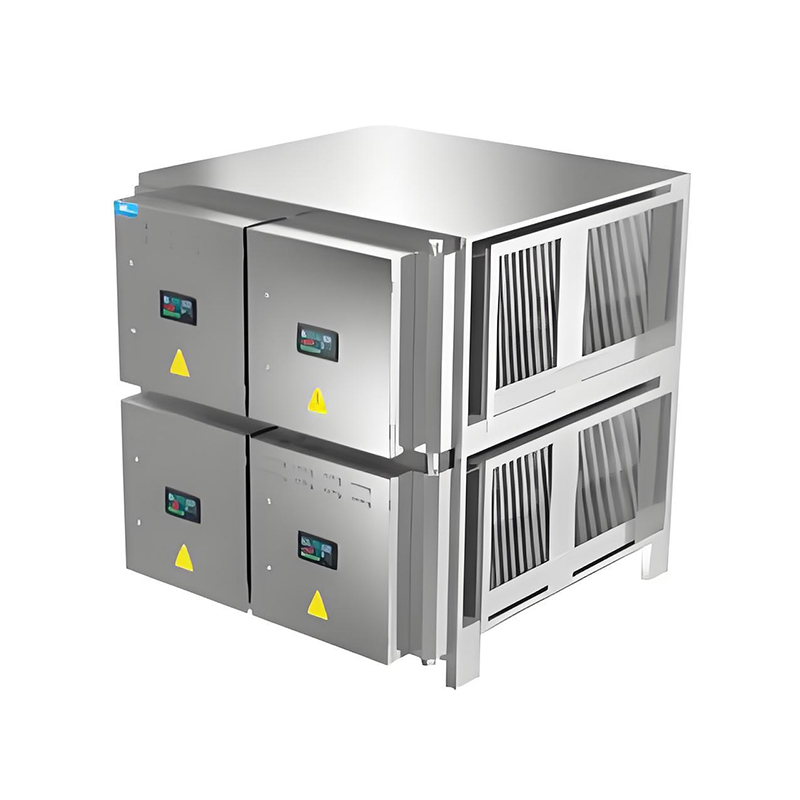
Remember that the fan is one component of the extraction system. In commercial kitchens, grease-laden air usually passes through a fume purifier before it leaves the roof line. The purifier and the fan must be matched, because the filter set adds resistance to the system. If you are upgrading an existing kitchen, it is worth understanding how a commercial kitchen fume purification system achieves 98% purification efficiency, because the filter train changes the airflow the fan must overcome.
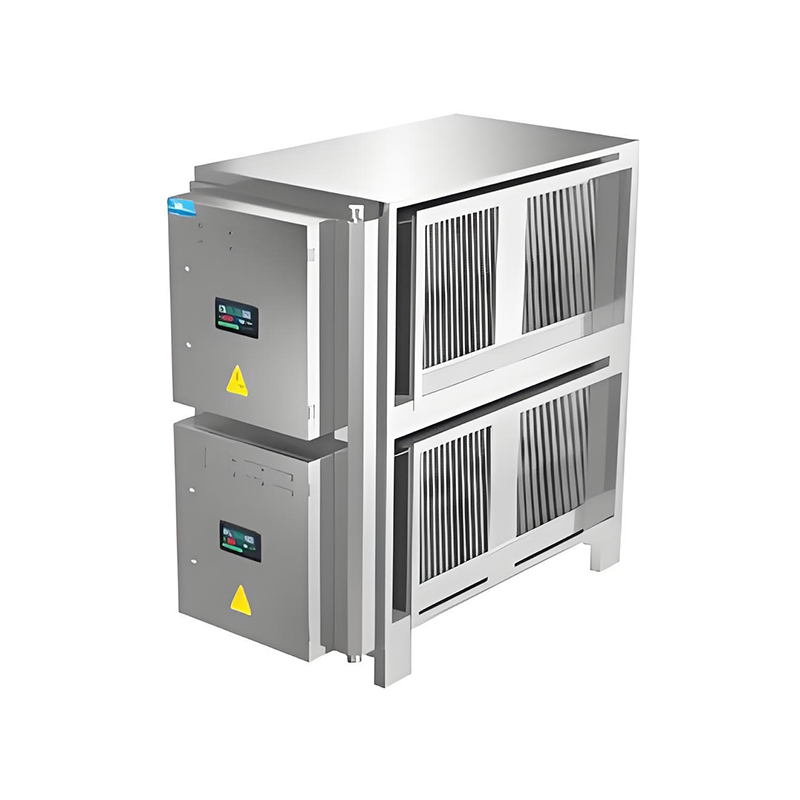
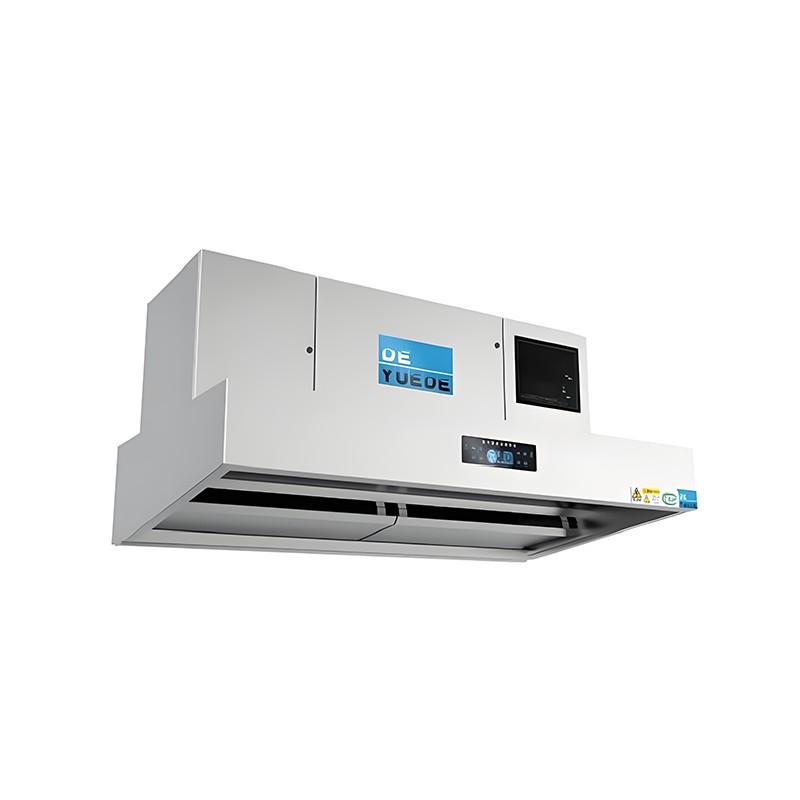
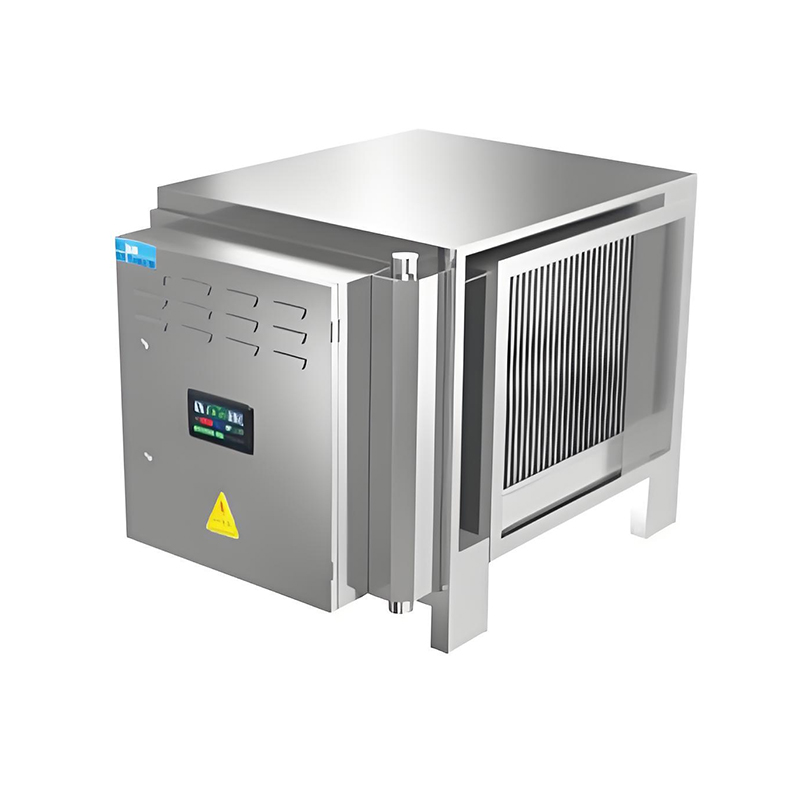
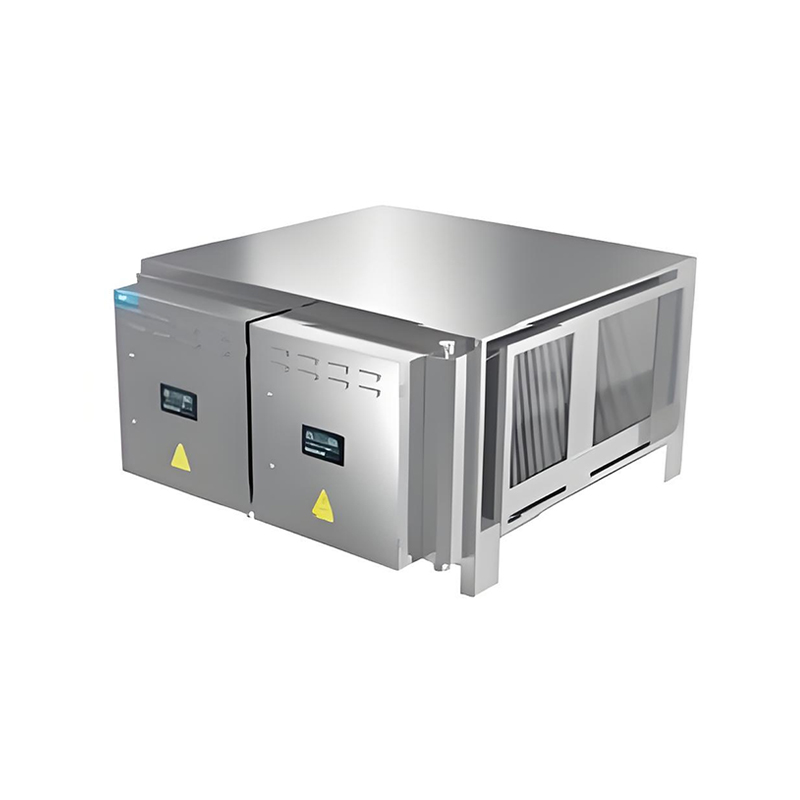
For heavy cooking with woks, charbroilers and high grease output, a heavy-duty unit with dense baffle stages can maintain its performance while protecting the fan. The heavy-duty kitchen fume purifier with 95% purification efficiency is a typical match for 1,500-2,500 CFM systems with a strong grease load. In larger operations that run multiple cooking lines, the large-scale commercial kitchen fume purifier with 98% purification efficiency is built to handle higher airflow volumes while keeping discharge air clean. If your kitchen load varies across the day, the wired intelligent smoke extraction system lets the fan modulate with demand, which saves energy during slow hours and still delivers full CFM when the line is busy.
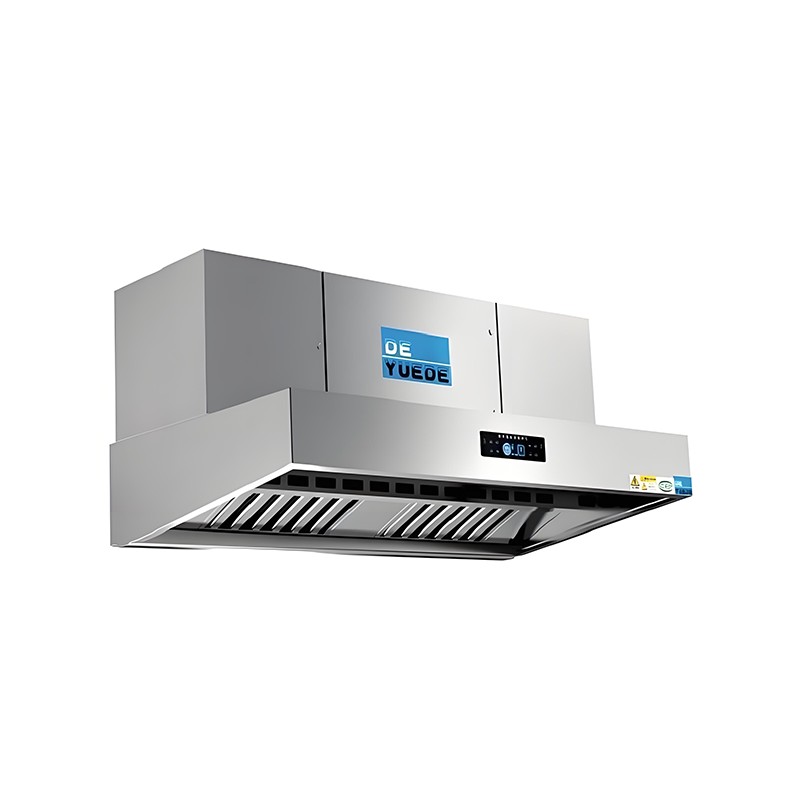
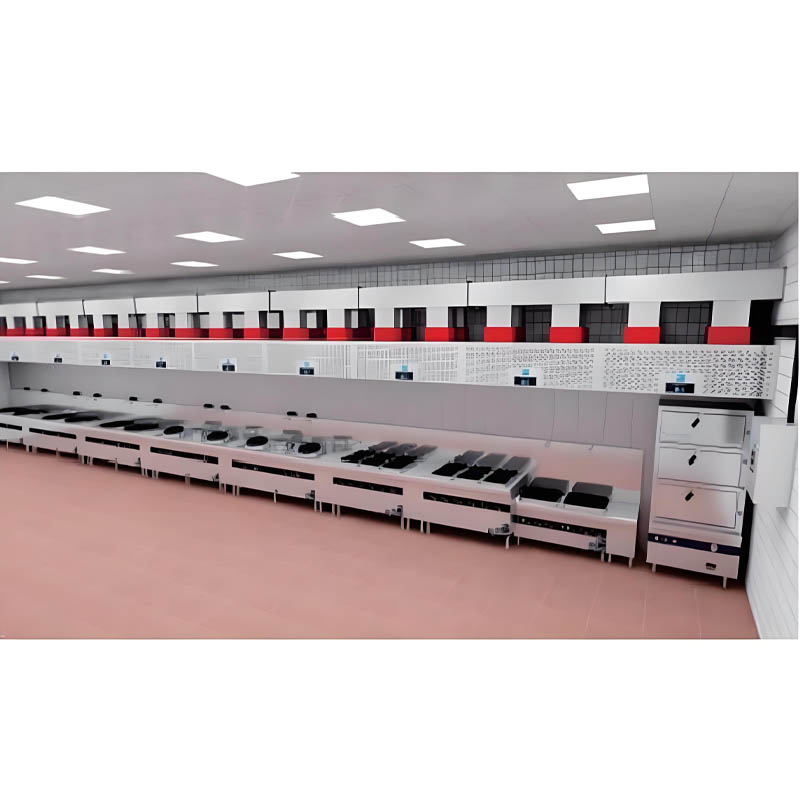 Wired Smoke Extraction System with Optional Intelligent Integration Suppliers, FZhejiang Yuede Environmental Protection Technology Co., Ltd. is Wired Smoke Extraction System with Optional Intelligent Integration Suppl...View Product →
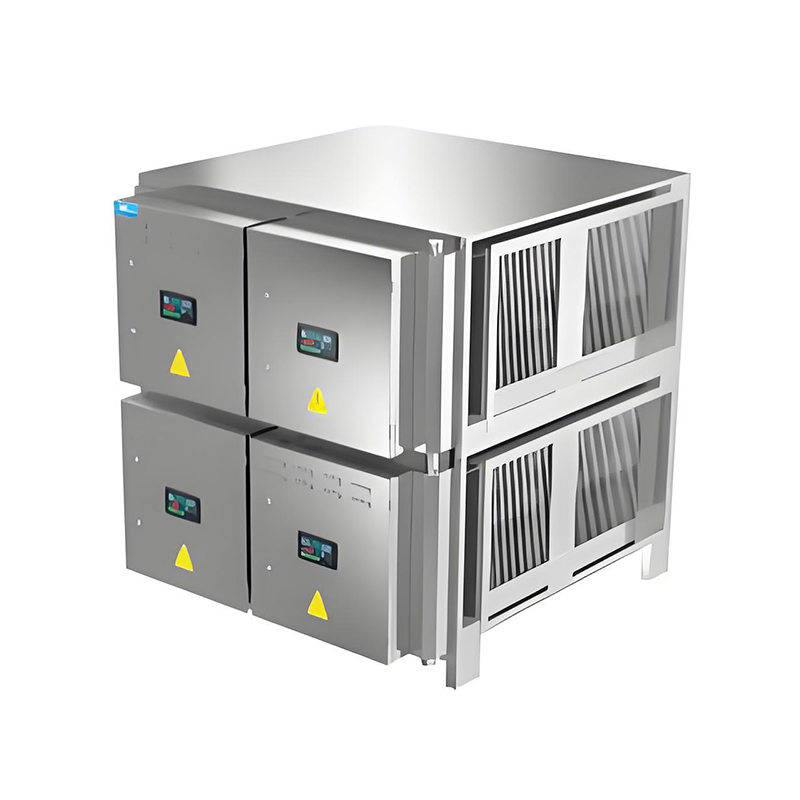 Commercial Kitchen Fume Purifier with Up to 98% Purification Efficiency SuppliZhejiang Yuede Environmental Protection Technology Co., Ltd. is Commercial Kitchen Fume Purifier with Up to 98% Purification Efficiency...View Product →
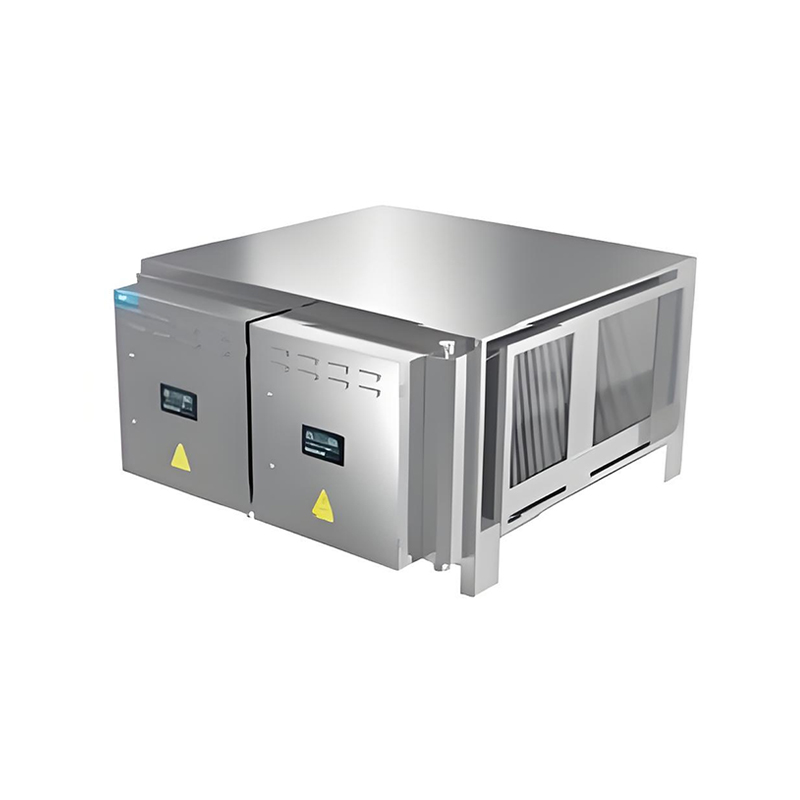 Heavy-Duty Kitchen Fume Purifier with 95% Purification Efficiency Suppliers, FacZhejiang Yuede Environmental Protection Technology Co., Ltd. is Heavy-Duty Kitchen Fume Purifier with 95% Purification Efficiency Supplie...View Product →
Paying attention to the system as a whole reduces callbacks. A purifier with a lower static-pressure budget may starve the fan, while an oversized fan will short-cycle the exhaust and waste energy.
The CFM rating is the starting point for any extractor fan selection, and it only makes sense when you read it together with static pressure, duct length, filter resistance and cooking load. Choose the fan that delivers the CFM you need at the static pressure your system creates, no more and no less. That balance keeps the smoke and steam going out the roof, not lingering in the kitchen.
- No. 505 Lanshang Road, Xinwan Street, Qiantang New District, Hangzhou City, Zhejiang Province
- +86-(0)571-56682212
- [email protected]
Copyright @ Zhejiang Yuede Environmental Protection Technology Co., Ltd. All rights reserved Customized Commercial Kitchen Exhaust System Solution
