 English
 عربى

Industry News
Home / News / Industry News / Are Range Hoods Required by Code? Key Regulations for Commercial & Residential Kitchens

Are Range Hoods Required by Code? Key Regulations for Commercial & Residential Kitchens
2026-09-22
Content
After years of working with kitchen ventilation in everything from small bistros to full-scale hotel kitchens, I’ve seen firsthand how confusing code requirements can be. The short answer: in many U.S. jurisdictions, residential kitchens are not explicitly required to have a range hood, but commercial kitchens almost always are. But the devil is in the details—local amendments, stove type, and exhaust rate all come into play. Let’s walk through what the codes actually say and how to make sure your setup is compliant.
The Two Main Codes That Apply to Range Hoods
When we talk about “code,” we’re usually referring to the International Residential Code (IRC) for homes and the International Mechanical Code (IMC) for commercial buildings. Most states adopt these with local modifications. Section M1503 of the IRC specifically addresses range hoods, while the IMC covers commercial kitchen exhaust systems more broadly.
| Code | Scope | Key Requirement |
|---|---|---|
| IRC M1503 | Residential | Hoods must discharge outdoors unless using a listed ductless model; exhaust rates vary by stove type. |
| IMC Chapter 5 | Commercial | Type I hood required for grease-producing appliances; minimum exhaust flow and fire suppression needed. |
Residential Range Hood Requirements
In most one- and two-family dwellings, the IRC does not mandate a range hood over a cooktop or range. However, if you install a gas range, many local codes will require mechanical ventilation (a hood or downdraft) that exhausts to the outside. For electric or induction cooktops, a hood is typically optional, but always check your local building department—some cities like San Francisco require hoods regardless of fuel type.
Height and Clearance
When a hood is installed, codes specify a minimum clearance above the cooking surface. For gas ranges, the National Fuel Gas Code (NFPA 54) recommends 24 to 30 inches; electric ranges allow 18 to 24 inches. The IRC also requires that ducts be smooth, airtight, and terminate outside (not in attics or crawl spaces).
CFM and Makeup Air
If your hood moves more than 400 CFM, the IRC may require a makeup air system of equal capacity. This is critical for modern high-powered hoods. A common oversight is forgetting to size the makeup air properly, which can depressurize the home and cause backdrafting of combustion appliances.
Commercial Kitchen Requirements Are Non-Negotiable
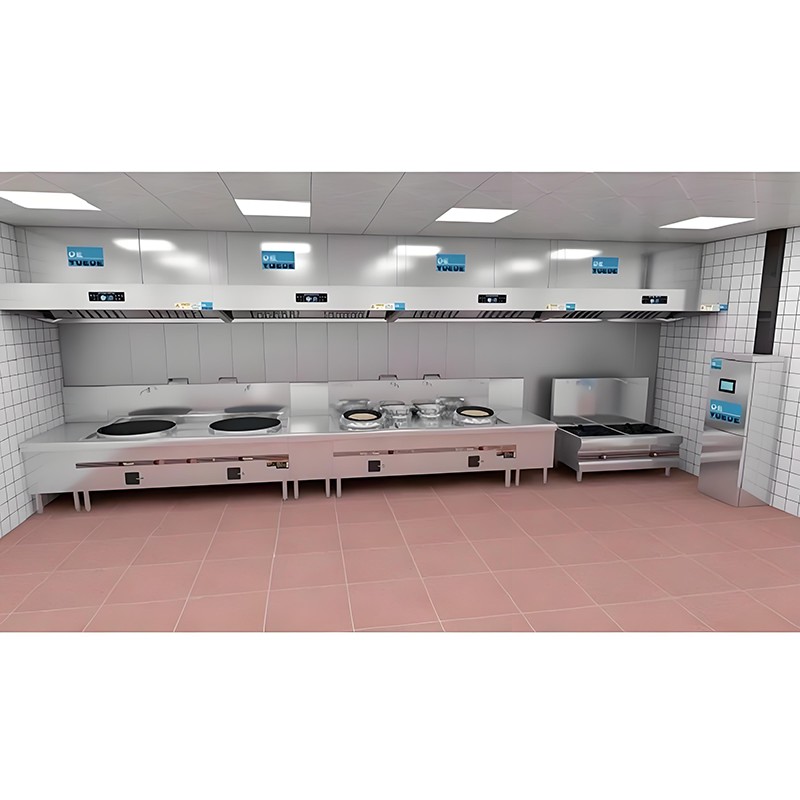
In commercial settings, the IMC is much stricter. Any appliance that produces grease-laden vapors (think griddles, fryers, woks) must be covered by a Type I hood that is listed and labeled for fire safety. The hood must discharge to the outdoors, have automatic fire suppression, and meet minimum exhaust rates based on the hood’s length and cooking load.
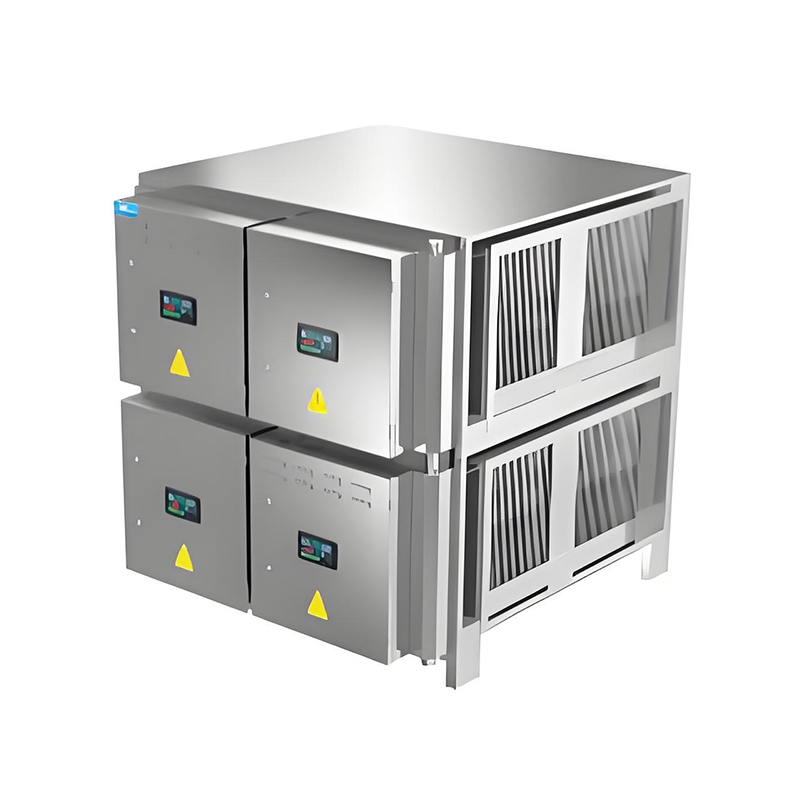
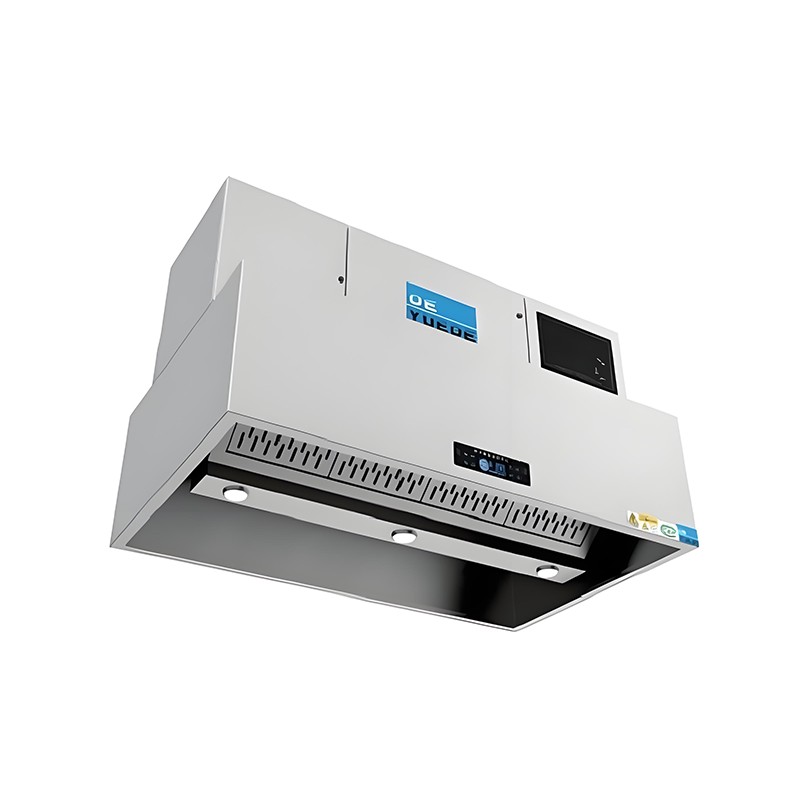
At our electrostatic precipitator systems, we often help operators design compliant ventilation that also saves energy. One product that fits many commercial kitchens is the 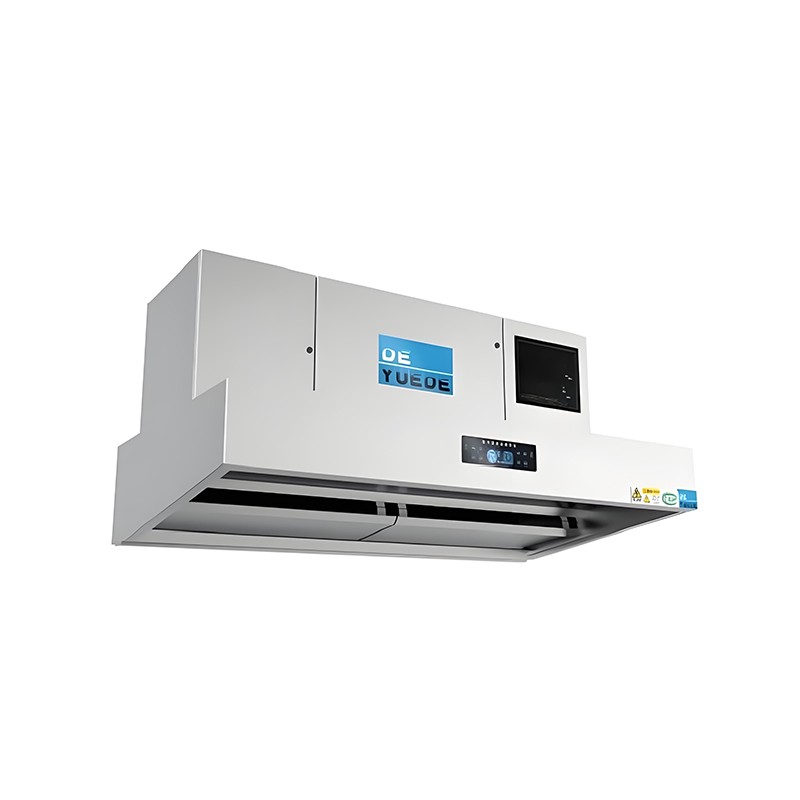 Flat-Panel Integrated Fume Purification System for Steam EquipmentThis low-profile system is designed for steam cabinets in height-limited kitchens, using dynamic capture and six-stage purification to meet codes while improving working conditions.View Product →. This integrated unit combines high-efficiency purification with robust exhaust capacity, making it easier to meet local codes without sacrificing performance.
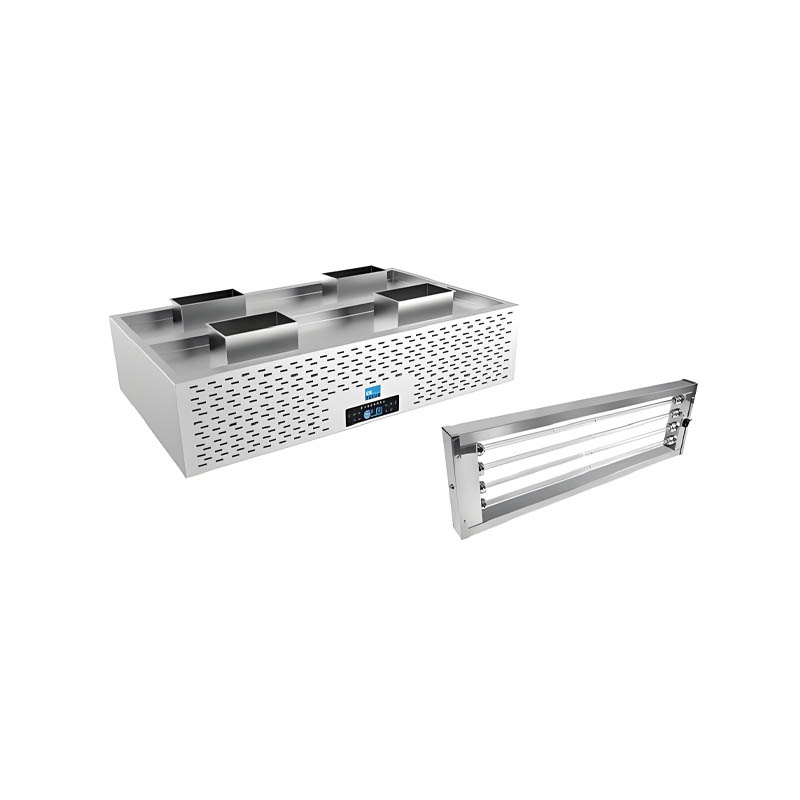
For kitchens that want to combine compliance with convenience, the 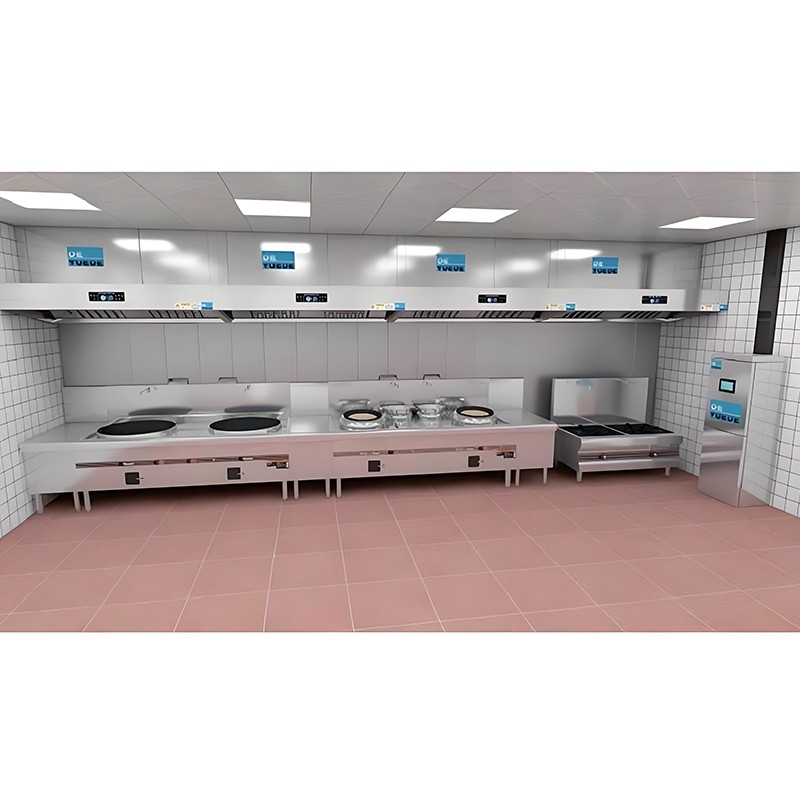 Dual-Module Intelligent Self-Cleaning Integrated Kitchen SystemAutomated cleaning of dynamic capture and electrostatic modules reduces maintenance, helping heavy-duty kitchens maintain 98% purification efficiency with minimal manual effort.View Product → offers self-cleaning technology that reduces maintenance while keeping exhaust paths clear—a real time-saver for busy operations.
Gas vs. Electric vs. Induction: Does Fuel Type Matter?
Yes. Gas ranges produce combustion byproducts (carbon monoxide, nitrogen dioxide) that require stronger ventilation. Most residential codes treat gas as the trigger for requiring a hood. Electric and induction cooktops produce fewer airborne pollutants, so hoods are often optional—though they’re still recommended for removing cooking odors and steam.
In commercial kitchens, the fuel type determines hood classification: Type I for grease (gas or solid fuel), Type II for steam, heat, and odors (electric). A common mistake is using a Type II hood over a gas charbroiler; that will likely fail inspection.
Common Code Violations and How to Avoid Them
Over the years, I’ve seen the same issues pop up again and again:
- No makeup air for hoods over 400 CFM in residential builds.
- Ductwork that is not smooth or uses flexible ducts (prohibited by most codes).
- Terminating the exhaust too close to a window or air intake (minimum 3 feet typically).
- In commercial kitchens, failing to install a fire suppression system or using a non-listed hood.
One way to sidestep many of these issues is to choose a 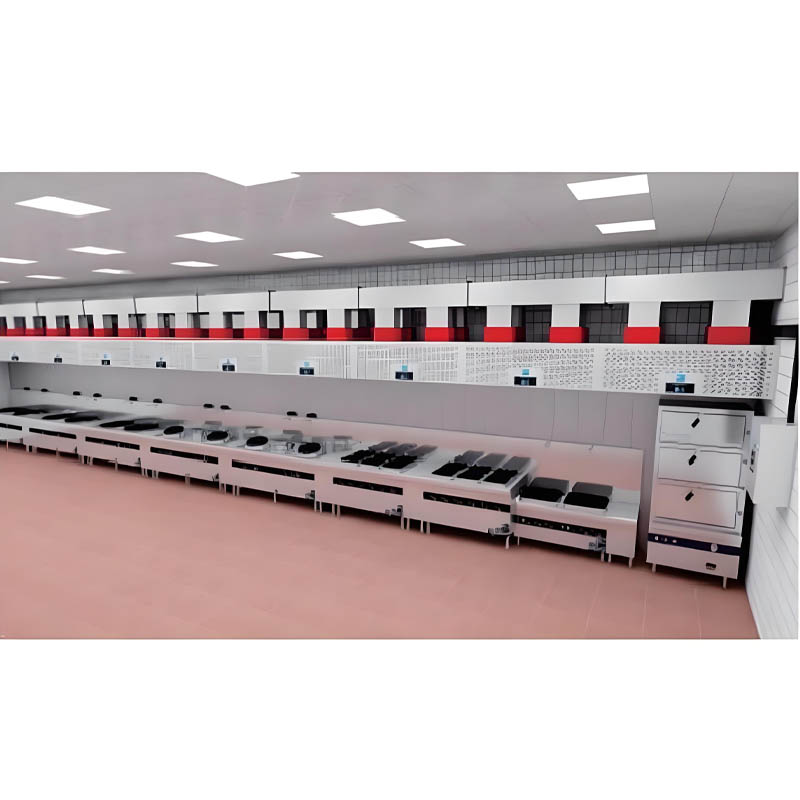 Wired Smoke Extraction System with Intelligent IntegrationIndustrial-grade signal cables enable millisecond-level fan response and up to 30% energy savings, making it ideal for large kitchens requiring reliable, automatic compliance.View Product →. Our wired intelligent smoke extraction system includes smart linkages that can coordinate makeup air and fire dampers automatically, simplifying compliance.
Why Compliance Matters Beyond the Inspection
Getting the ventilation right isn’t just about passing a final inspection. Proper hood installation protects against fire hazards, improves indoor air quality, and can even lower insurance premiums. In commercial kitchens, non-compliance can lead to shutdowns and fines. In homes, it can void your insurance claim if a grease fire spreads.
For a deeper look at why venting outside is often required, check out this article on outside venting requirements for commercial kitchens.
Codes evolve, and local amendments vary widely. The best approach is to consult with a licensed mechanical engineer or your local building department early in the design phase. For those planning a commercial kitchen, we’ve spent decades refining our products to make compliance straightforward. Feel free to explore our full range of ventilation solutions that meet or exceed code requirements.
- No. 505 Lanshang Road, Xinwan Street, Qiantang New District, Hangzhou City, Zhejiang Province
- +86-(0)571-56682212
- [email protected]
Copyright @ Zhejiang Yuede Environmental Protection Technology Co., Ltd. All rights reserved Customized Commercial Kitchen Exhaust System Solution
