 English
 عربى
عربى
Industry News
Home / News / Industry News / Convertible Range Hood: Ducted vs Ductless Flexibility for Commercial Kitchens

Convertible Range Hood: Ducted vs Ductless Flexibility for Commercial Kitchens
2026-09-08
Content
Bringing a new kitchen into service often comes down to one practical question: where will the exhaust go? Some buildings offer a convenient chase or exterior wall for ductwork; others do not, or they restrict façade penetration for aesthetic or historic preservation reasons. If you’re in the middle of a redesign, lease transition, or budget-conscious renovation, a convertible range hood may be the answer you didn’t expect. It gives you two venting options in a single unit, so you can run a ducted system where possible and switch to ductless recirculation when it isn’t possible.
Here’s the quick conclusion: a convertible range hood is a flexible choice because it can operate with or without ductwork. That flexibility matters most in commercial kitchens where layout changes, lease agreements, or phased construction may affect existing ventilation.
What Exactly Is a Convertible Range Hood?
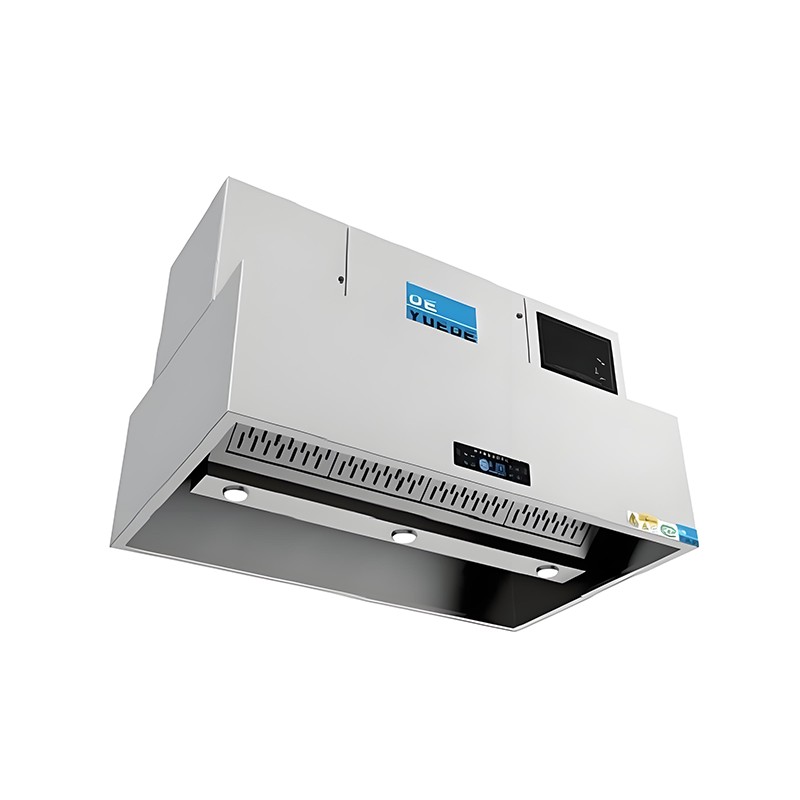
A convertible range hood is a ventilation appliance designed to work in two configurations. In ducted mode, the hood pulls smoke, grease-laden air, and heat out of the building through a dedicated duct system. In ductless mode, the hood does not connect to external ducting; instead, it forces air through a multi-stage filtration process and returns it to the kitchen.
The key difference from a standard hood is the built-in ability to switch between these two modes. Usually, this means the unit includes a metallic duct adapter that can be removed or blocked off, and internal baffles that change the air path. To run ductless, you add a charcoal filter—often optional—to absorb odors after the grease filters have captured particulate matter. To run ducted, you simply remove the charcoal filter, connect the exhaust collar to a duct, and allow the blower to push air outside.
This design gives the same hardware a longer service life across multiple sites, which is why facility managers often specify convertible units for leased restaurant spaces or kitchens that will be relocated.
Ducted vs. Ductless vs. Convertible: What’s the Difference?
Before you decide, it helps to see the differences side by side.
| Factor | Ducted | Ductless | Convertible |
|---|---|---|---|
| Venting path | Air exhausted outside | Air filtered and recirculated | Either, depending on setup |
| Installation constraints | Requires duct access | Only needs a power source | Can adapt to either |
| Grease removal | Excellent (full discharge) | Good with efficient filters | Excellent in ducted; good in ductless |
| Odor removal | None (odor exits) | Charcoal filter required | Charcoal filter needed for ductless |
| Installation cost | Higher (duct work) | Lower (no ducting) | Moderate (conversion kit) |
| Best for | New construction or major remodels | Spaces without duct access | Retrofits, leased spaces, flexible use |
These distinctions are not just theoretical. In a commercial kitchen, using ductless mode for extended periods can lower exhaust temperatures and increase humidity unless the filtration system is designed to handle that load. That’s why the choice of filters and fan performance is more important in a convertible unit than in a fixed-configuration hood.
How a Convertible Range Hood Works
At the heart of a convertible range hood is the blower assembly. In ducted mode, the blower pushes the captured stream into an attached duct, creating a negative pressure above the cooking surface that captures rising pollutants. In ductless mode, the top exhaust opening is sealed off, and the air is routed through a secondary filter (usually activated charcoal) before being released back into the room.
Switching Modes
The transition is straightforward on most modern models. You remove the round duct adapter from the hood top, attach a recirculation baffle kit, and add the charcoal filter over the discharge vents. The time needed is usually less than 30 minutes for an installer. Some models even come with a reversible damper that automatically opens or closes based on how the exhaust pipe is connected.
Filter Requirements
Regardless of mode, a grease filter is mandatory. Wire mesh and baffle filters are the most common; baffle filters are preferred in commercial environments because they trap more grease and are less prone to clogging. For ductless operation, an activated charcoal filter is required. It captures cooking odors and some VOCs, but it does not remove grease effectively, so the grease filter still does the heavy lifting. In heavy-use kitchens, expect to replace charcoal filters every three to six months and clean the grease filter weekly.
Airflow Ratings
CFM (cubic feet per minute) is the standard measure of airflow. For a domestic range hood, the rule of thumb is 100 CFM per 10,000 BTU of the cooktop output, or at least 400 CFM for an ordinary home stove. Commercial kitchens require far more, often 700 to 2000 CFM or more, depending on the cooking appliances and hood size. A convertible hood rated for 900 CFM can serve a small to medium commercial kitchen in ducted mode, but in ductless mode the resistance from the charcoal filter will reduce the actual discharge. This is why many manufacturers advise increasing the CFM rating by 30–50% for ductless applications.
Another important factor is static pressure. Because ductless mode adds a charcoal filter and directs air through short turns, it increases system resistance. A hood with a blower rated for higher static pressure will maintain more of its advertised CFM in both modes. Look for a blower curve in the technical data sheet, not just a maximum CFM number.
What to Look For When Buying a Convertible Range Hood
To make a sound purchase decision, you need to inspect more than the aesthetic design. Here are the key features to evaluate.
- Housing material: For commercial use, choose 304 stainless steel. It resists corrosion, cleans easily, and meets commercial kitchen sanitation standards.
- Blower configuration: Some convertibles use a single blower; others support inline or remote blowers for ducted applications. Inline blowers quiet the kitchen and improve airflow.
- Control system: Toggle switches are fine for basic models, but capacitive touch controls and intelligent sensors are valuable in busy kitchens. Look for speed settings and a thermostat that increases airflow when cooking intensity rises.
- Easy conversion: The best convertible models have tool-less filter clips and removable duct adapters with clear instructions. A poor conversion design increases downtime and installation cost.
- Safety features: Check for heat sensors, automatic shutoffs, and sealed LED lights that are resistant to steam and heat.
- Coverage: The hood width should match or slightly exceed the cooktop or range width. For commercial ranges, many operators choose a hood that covers the entire appliance plus a few extra inches on each side to capture stray heat and smoke.
Also, verify that the hood meets local building and fire codes. Commercial hoods usually require a UL listing or equivalent certification. If you plan to use ductless mode, confirm that your local authority accepts that configuration; some jurisdictions still require a dedicated exhaust for gas appliances.
Convertible Range Hoods in Commercial Kitchens
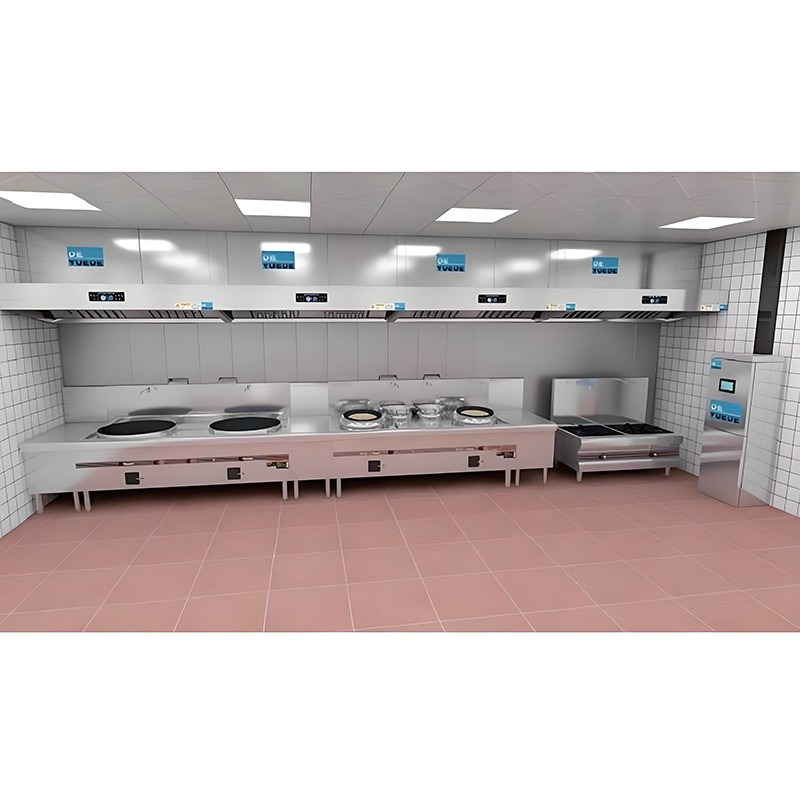
The term “convertible range hood” may sound residential, but the same principle is increasingly valuable in commercial spaces. Food trucks, temporary restaurants, ghost kitchens, and multi-use facilities often operate in buildings where permanent exhaust ducting is unavailable or cost-prohibitive. A convertible unit lets those businesses start up quickly, then upgrade to a fully ducted system later when they secure a permanent location or obtain landlord approval.
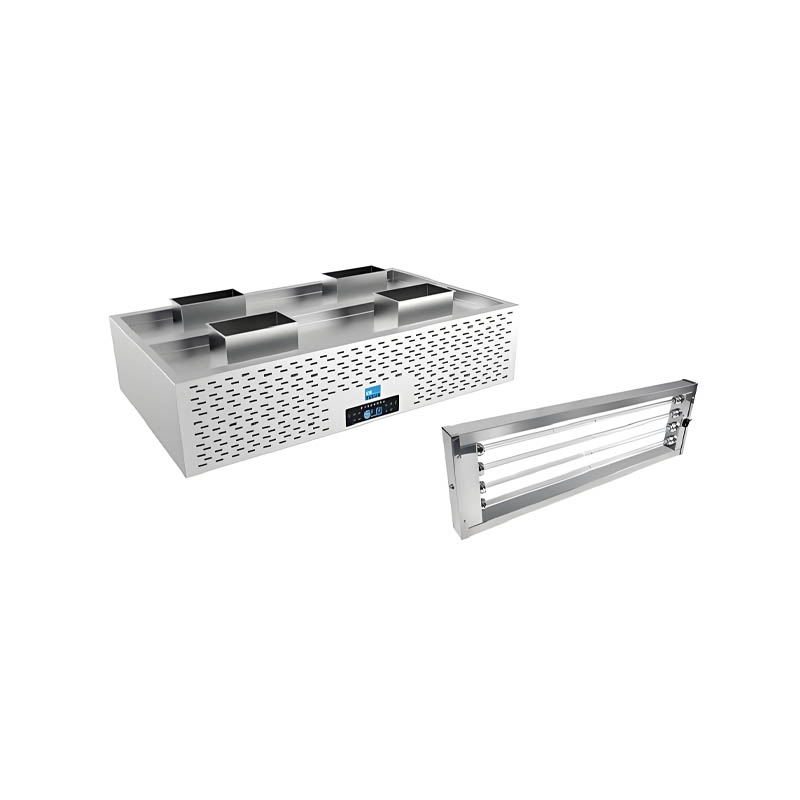
However, running ductless ventilation in a heavy commercial kitchen requires a carefully designed filtration setup. Standard charcoal filters are not enough for high-volume cooking. You need a strong grease pre-filter followed by a charcoal layer, and ideally an electrostatic precipitator or UV module for smoke and odor control. The better the filtration, the longer the charcoal filter lasts and the cleaner the kitchen air remains.
For kitchens that want to manage fan speed automatically and minimize energy waste, modern convertible hoods can be paired with smart exhaust controls that vary airflow based on real-time cooking output. This integration is worthwhile if you are going to switch between modes regularly. You can also consider a self-cleaning integrated hood, which uses a built-in water or steam jet to remove grease from the filters, reducing manual maintenance. Meanwhile, operators interested in curbing electricity bills may want to review how intelligent smoke extraction systems reduce kitchen energy consumption.
Consider a ghost kitchen that signs a one-year sublease in a former retail space. The landlord will not allow cutting into the roof. A convertible hood in ductless mode can be installed immediately, and if the lease is extended and the landlord later grants duct access, the same hood can be switched to ducted mode without replacing the unit.
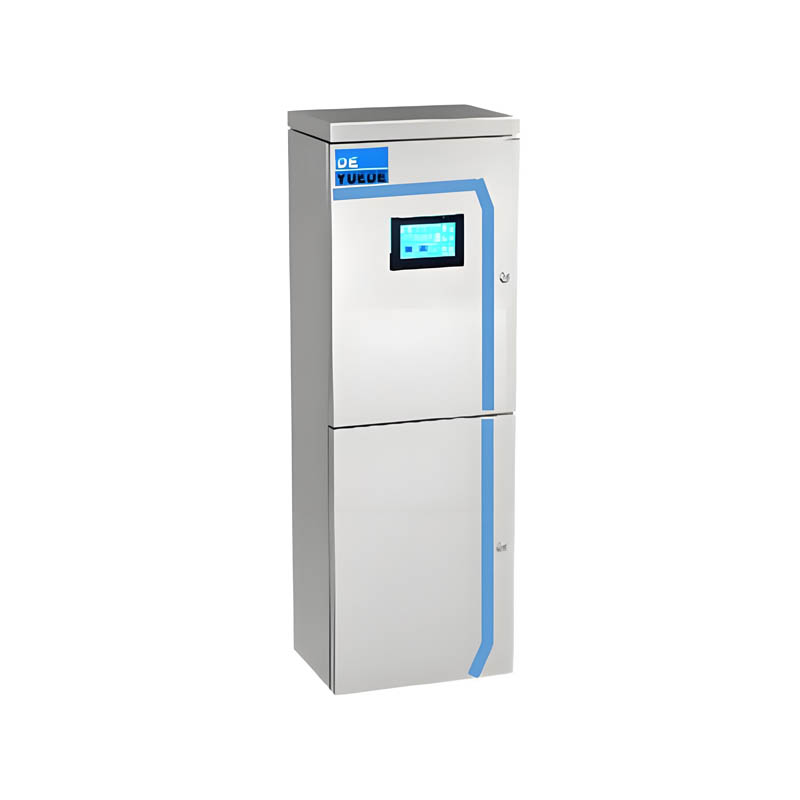 Dual-Unit Intelligent Cleaning System for Commercial KitchensThis system supports automatic cleaning of up to six integrated units, handling liquid filling, heating, pressurization, and spraying. It reduces manual maintenance to once every one to three months, lowering workload and operating costs. Worth reviewing when planning automated grease management.View Product →
 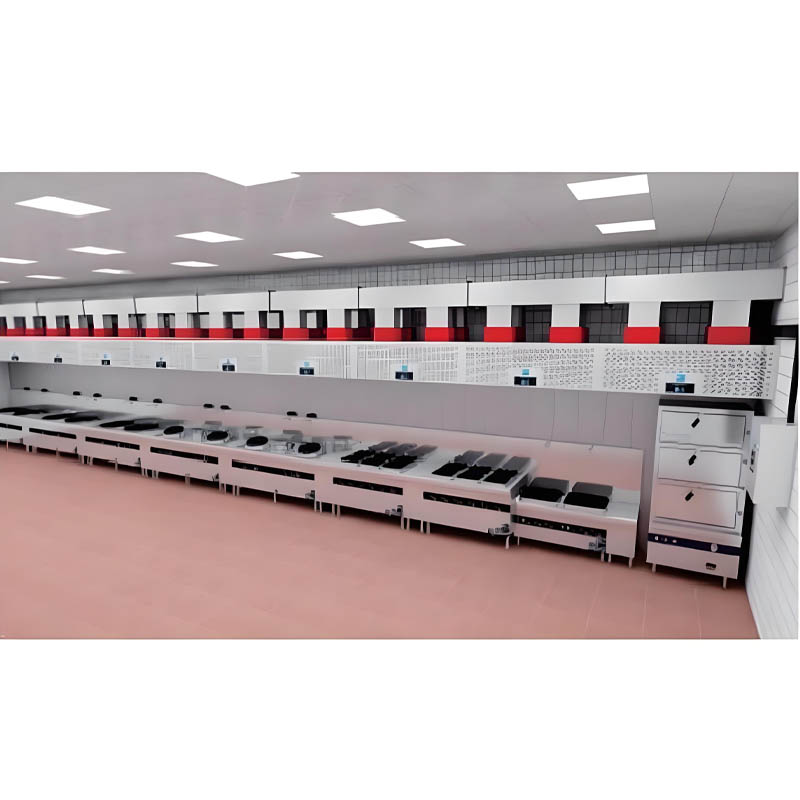 Wireless Smoke Extraction System with Intelligent IntegrationThis wireless model connects to an intelligent energy-saving system without extensive wiring, featuring intelligent airflow distribution to optimize exhaust and reduce fan noise. It suits renovation projects or kitchens with complex duct layouts where traditional wiring is difficult, offering flexible installation and future upgrades.View Product →
Final Thoughts
A convertible range hood gives you the flexibility to handle changing venting constraints without replacing the hood. For commercial kitchens, that translates to easier equipment relocation, faster project start-up, and protection against future layout changes.
Choose a model with high-quality filters, adequate CFM, and a conversion mechanism simple enough for your maintenance team to manage. If possible, work with a supplier who understands commercial ventilation requirements and can help you verify local code compliance. That practical experience can save you from discovering later that your “temporary” ductless setup is not able to handle the daily load.
Remember, the hood itself is only part of the ventilation system. Filters, duct sizing, makeup air, and controls all affect real-world performance. A convertible model doesn’t solve every constraint, but it gives you a smart hedge.
- No. 505 Lanshang Road, Xinwan Street, Qiantang New District, Hangzhou City, Zhejiang Province
- +86-(0)571-56682212
- [email protected]
Copyright @ Zhejiang Yuede Environmental Protection Technology Co., Ltd. All rights reserved Customized Commercial Kitchen Exhaust System Solution
