 English
 عربى
عربى
Industry News
Home / News / Industry News / Ductless Range Hood Vent Guide: Recirculating Systems and Commercial Kitchen Use

Ductless Range Hood Vent Guide: Recirculating Systems and Commercial Kitchen Use
2026-09-02
Content
When a building has no exterior wall for ductwork, or the landlord will not allow roof or wall penetration, a ductless range hood vent becomes the only realistic exhaust option. It works by pulling the kitchen air through a grease filter and a charcoal filter, then recirculating the cleaned air back into the room. That is a compact solution that avoids expensive duct runs, but it comes with a trade-off: it filters air instead of removing it from the building entirely. Before you order one, you need to know exactly where it works well and where it falls short.
How a Ductless Range Hood Vent Actually Works
A ductless range hood vent uses two filtration stages. The first stage is a grease baffle or metal mesh filter that catches the oil and particles lifted by cooking heat. The second stage is an activated charcoal or carbon filter that removes smoke, odor, and some gases. The blower pulls air through both filters and pushes the air back into the kitchen. Because the air is not exhausted, the hood does not require a duct or a rigid vent line.
The practical consequence is that a ductless unit can be installed almost anywhere, including under a low ceiling or on a wall with no weather exposure. However, the charcoal filter must be replaced every few months depending on use. The grease filter also needs regular cleaning to keep air moving. If you skip those tasks, the hood will lose efficiency and the kitchen will smell stale.
When a Ductless Vent Is the Right Choice
Several real-world situations make a ductless range hood vent the better decision. For example, if you are renting a commercial kitchen space, you cannot drill through the building envelope. If you operate an open kitchen where a long duct would disrupt the ceiling design, recirculation is often the only clean approach. In smaller prep areas that already have general exhaust, a ductless hood can serve as a targeted supplement for one cooking station.
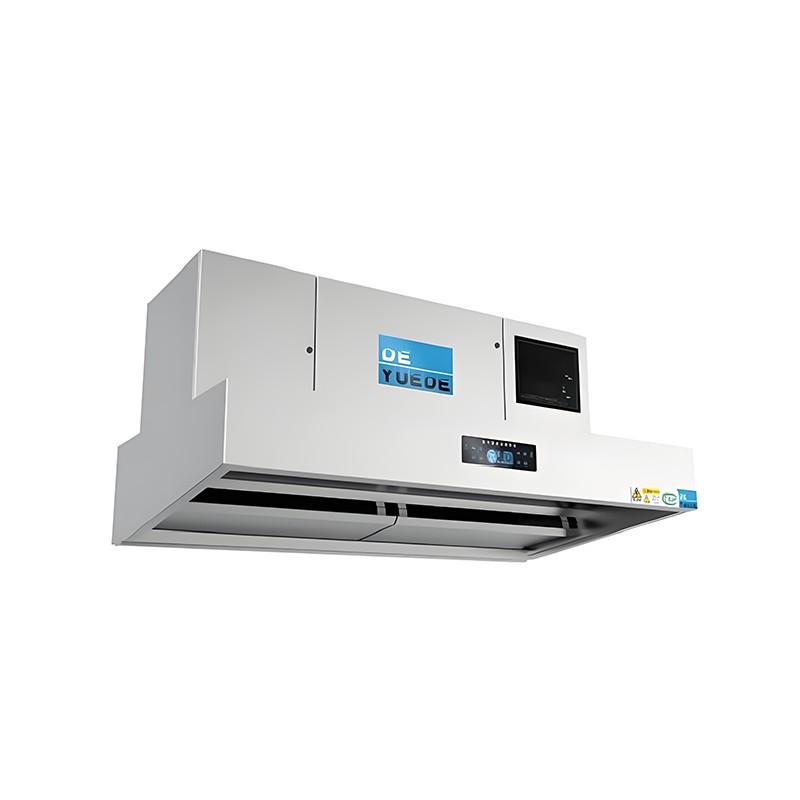
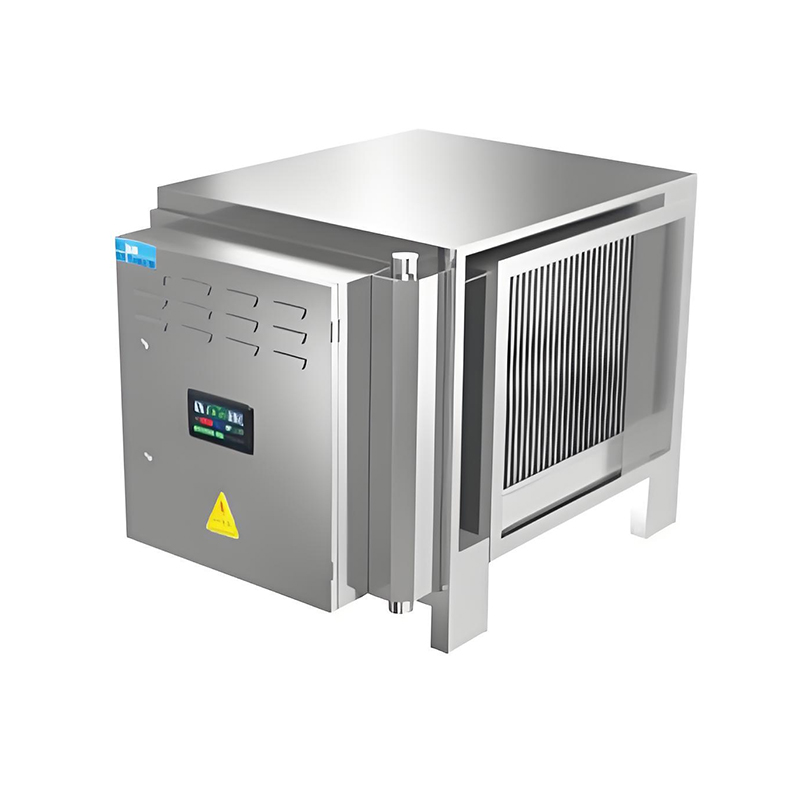
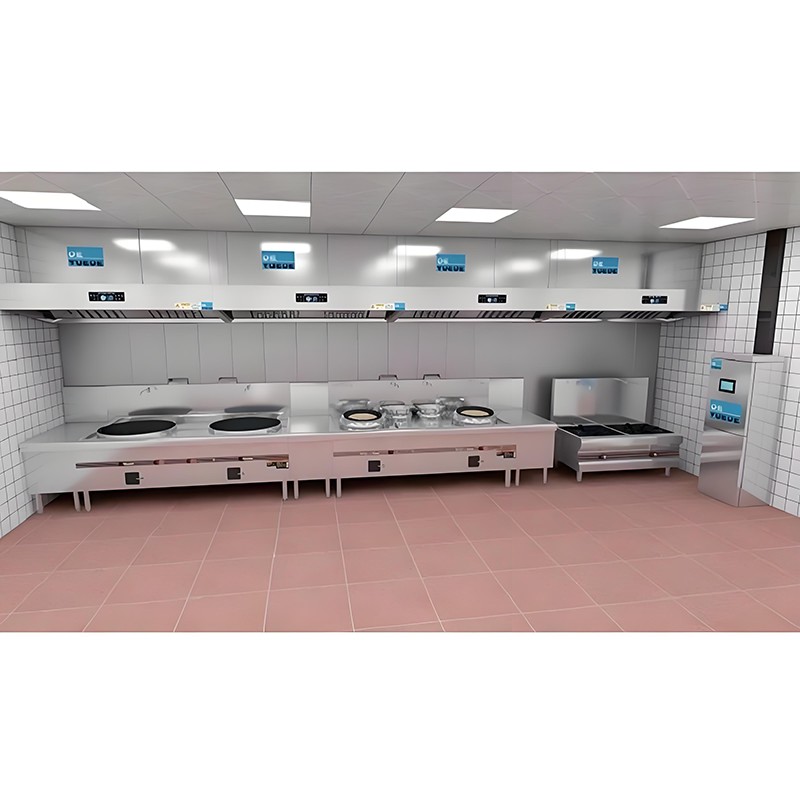 Ductless Range Hood for Rentals and Open Kitchens with Self-CleaningThis intelligent cleaning system suits spaces where ducting is impractical. It automatically cleans both purification modules, maintaining high efficiency and reducing manual work in heavy-duty commercial kitchens.View Product →
The same logic applies to mobile kitchens, temporary food stalls, and retrofit projects where adding a duct would require redoing the roof or wall. In these cases, the recirculating hood is simpler, faster to install, and easier to clean out of the way when the layout changes. For a commercial user, the key is choosing a unit that handles the specific cooking load, not just the advertised airflow rate.
Where Ductless Hits Its Limits
High-heat cooking is the first limit. Sear a steak at 250°C or deep-fry in a wok, and the volume of smoke can exceed what a recirculating filter can capture quickly. The air will not be cleared fast enough, and the kitchen will fill with cooking residue before the hood catches up. Second, ductless units are generally quieter in terms of duct vibration, but the blower still needs enough CFM to move air. A low-CFM unit used in a heavy cooking area will feel underpowered.
Maintenance is the third hidden cost. The carbon filter is a consumable, not a one-time purchase. Depending on the frequency of use, a commercial kitchen might need a new carbon filter every one to three months. Grease filters require washing on a schedule, and some baffle filters should be soaked and scrubbed. For a busy operator, this maintenance burden is often a deciding factor.
Key Specs to Compare Before You Buy
There are four numbers that separate a useful ductless vent from a disappointing one. You can compare these directly across different models.
| Spec | What It Means | Why It Matters |
|---|---|---|
| CFM | Cubic feet per minute of air movement | Higher CFM clears smoke faster during high-heat cooking |
| Grease filter efficiency | Percentage of oil particles captured | Higher percentage keeps the carbon filter usable for longer |
| Noise level | Measured in sones or dB | A noisy blower makes the kitchen an uncomfortable workplace |
| Filter maintenance | Whether filters are washable or replaceable | Directly affects ongoing overhead and downtime |
For example, a heavy-duty purifier rated at 95% grease filtration can handle the output of a busy commercial stove much more effectively than a standard residential hood rated at 85%. That difference is the reason why some recirculating systems work in smaller residential kitchens but fail in high-volume commercial settings. To achieve higher grease filtration, the design must include a robust baffle system and a stronger blower. Learn more about how commercial kitchen fume purification systems achieve 98% efficiency.
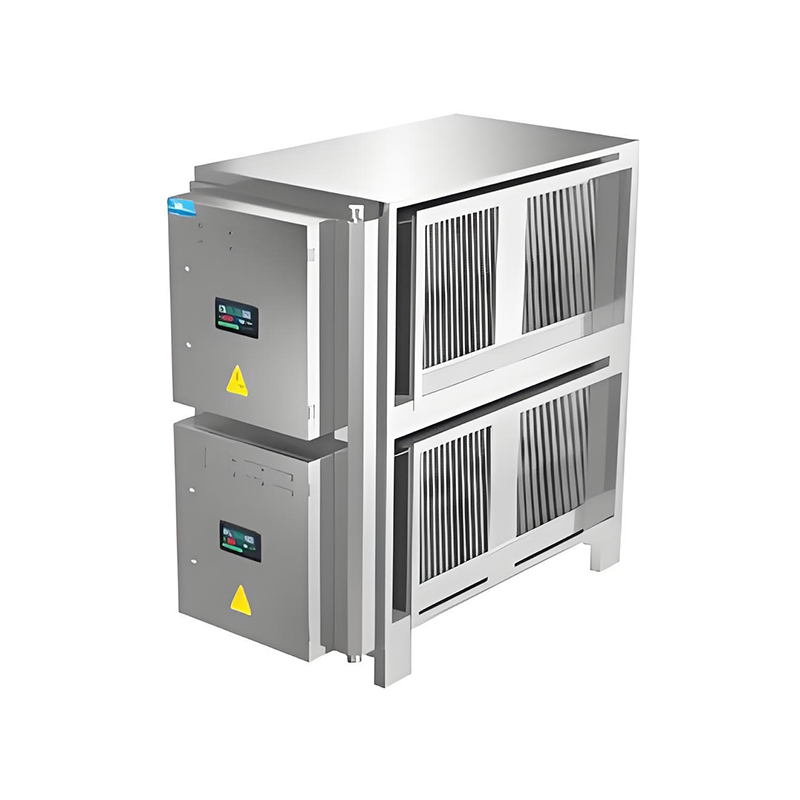
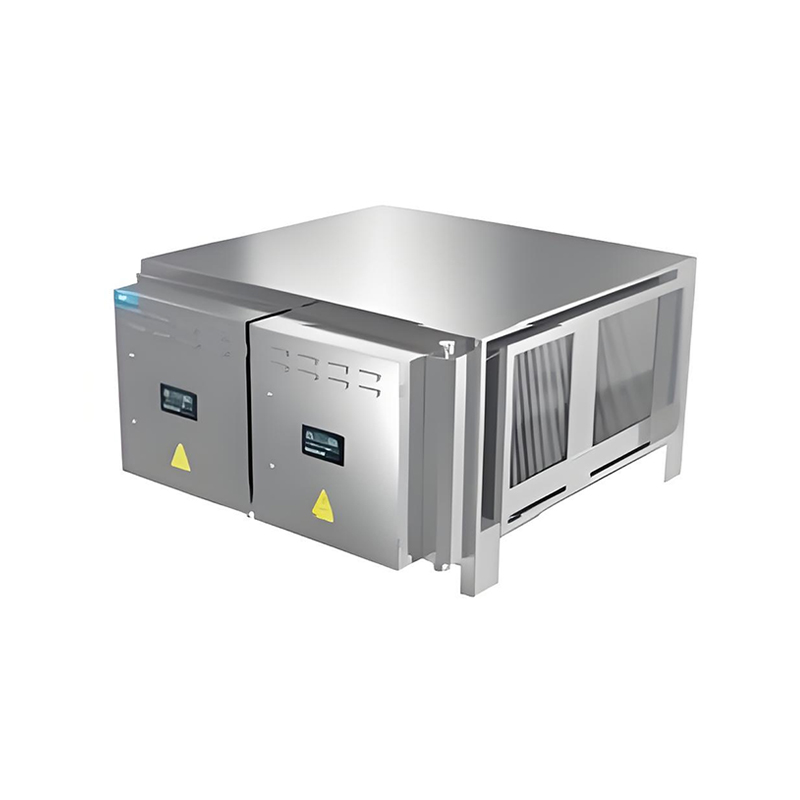 Heavy-Duty Electrostatic Purifier for High-Volume CookingDesigned for busy commercial stoves, this purifier handles large air volumes and achieves up to 95% grease filtration. Its dual-stage field ensures stable performance, making it ideal for demanding environments.View Product →
Installation and Maintenance Considerations
Installing a ductless vent is simpler than cutting a duct hole, but it is not hassle-free. The unit needs a nearby electrical outlet, a mounting surface that supports the weight, and enough vertical clearance for the hood to remain accessible. If the hood is not level, the grease will pool on one side instead of draining into the collection cup. The manufacturer’s filter combination must also be matched to the hood model; swapping in a generic charcoal pad is a common way to reduce initial cost but it usually lowers odor removal performance.
Maintenance should be scheduled, not left until the hood starts smelling. A practical rule for a commercial space is to inspect the grease filter every week, wash it every two to four weeks, and replace the carbon filter based on the hours of operation. Keep a replacement cartridge on hand so the downtime is limited. With a self-cleaning integrated unit, you can extend the intervals, but you still have to check the weekly operation.
Commercial Kitchen Considerations
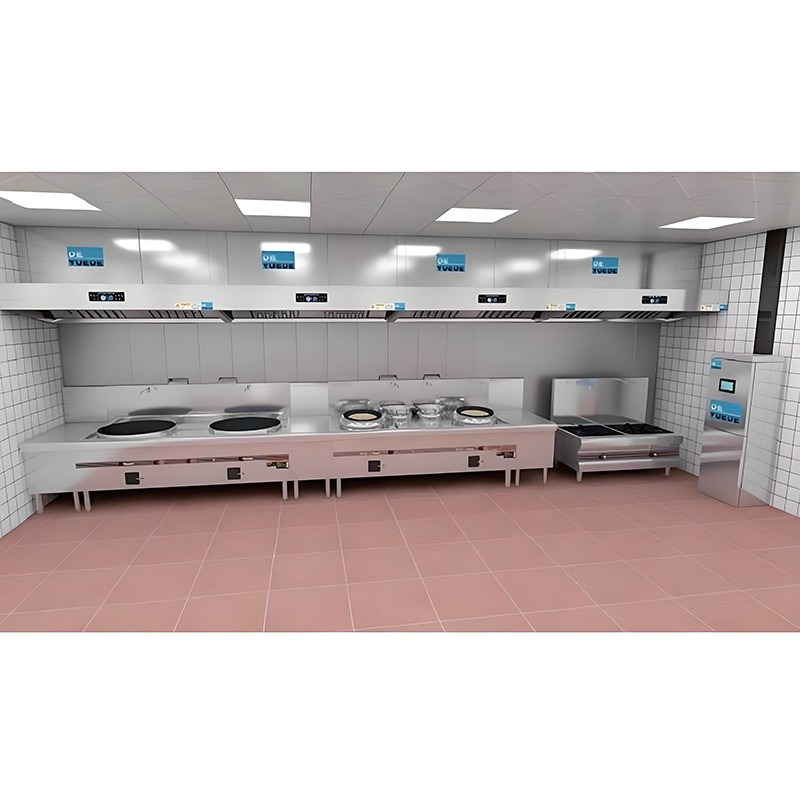
In a commercial kitchen, a ductless range hood vent is not a plug-and-play appliance. It must be sized for the actual number of burners and the intensity of the cooking process. If you cook noodles all day, a small recirculating unit may be fine. If you run a wok station with open flames, you need a larger filter area and a higher CFM rating. Also consider the construction: an integrated machine that combines the exhaust and purification functions in one housing saves ceiling space and simplifies maintenance.
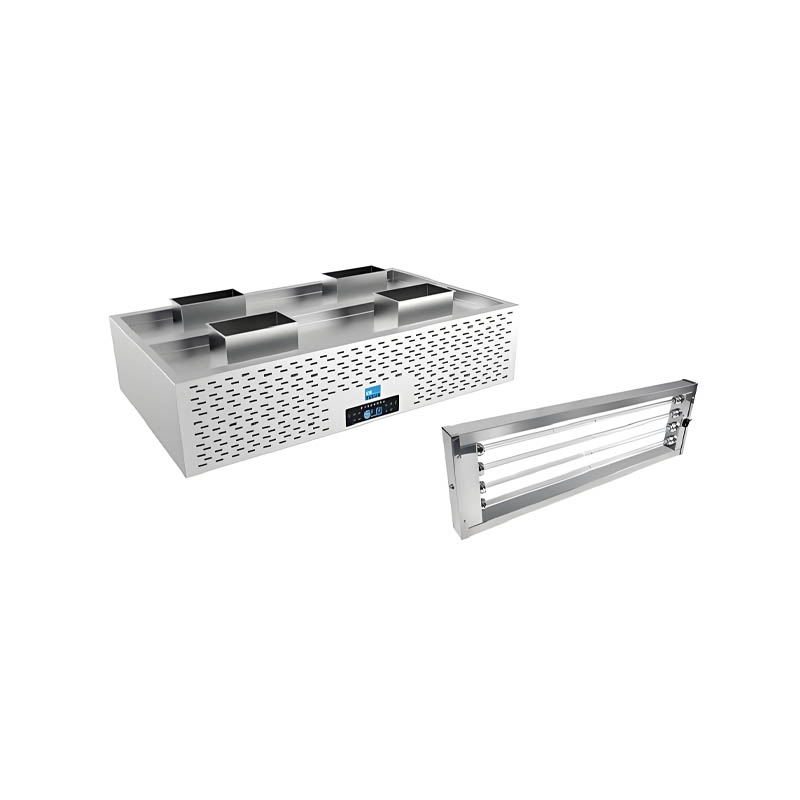
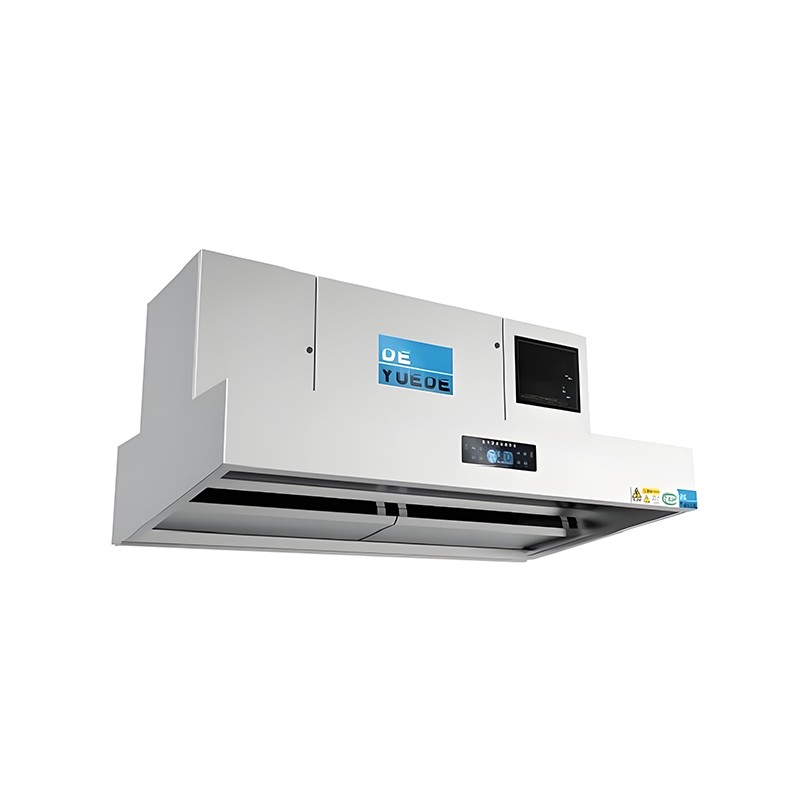 Low-Profile Integrated Purification for Steam Cooking StationsThis flat-panel system fits steam cabinets in tight ceilings. It combines dynamic capture and electrostatic purification to remove moisture and grease, improving comfort and meeting compliance standards.View Product →
Self-cleaning is another feature worth examining. A unit with a dynamic interception or built-in cleaning system can reduce the manual grease filter washing routine that busy staff often skip. This is where integrated designs have an advantage over traditional separate fan-and-filter arrangements. The electronics and structural quality matter as well because a commercial unit runs for hours every day. Look for a manufacturer that can handle both the metalwork and the control software in-house for more predictable quality and after-sales support.
Final Takeaway
A ductless range hood vent solves a very real space problem. It is the right answer when you cannot duct the air outside, and it can perform well if you match it to the cooking load and maintain the filters. For residential kitchens with light to moderate cooking, a compact recirculating hood is an acceptable choice. For commercial users, the decision depends on a much stricter calculation: the expected smoke volume, the grease filtration rating, the CFM, and the service routine. Start with those numbers, and you will avoid the most common mistake of buying a hood that looks good on paper but cannot keep the air clean in practice.
- No. 505 Lanshang Road, Xinwan Street, Qiantang New District, Hangzhou City, Zhejiang Province
- +86-(0)571-56682212
- [email protected]
Copyright @ Zhejiang Yuede Environmental Protection Technology Co., Ltd. All rights reserved Customized Commercial Kitchen Exhaust System Solution
